Cycling through Lower Silesia is like pedaling through the pages of a living history book. Around every bend, you’ll find a medieval castle, a cobblestone old town, or a sweeping mountain vista.
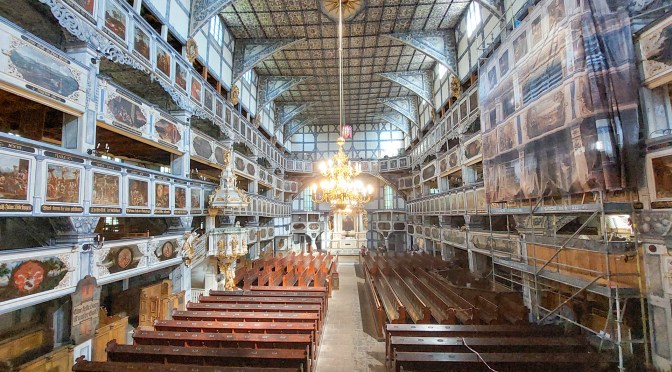
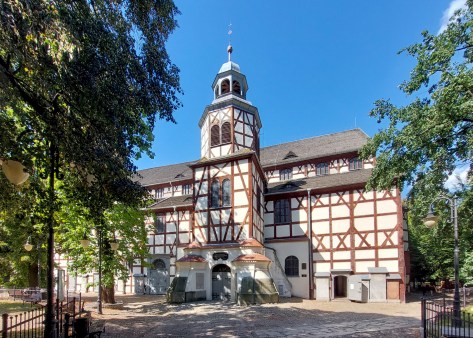
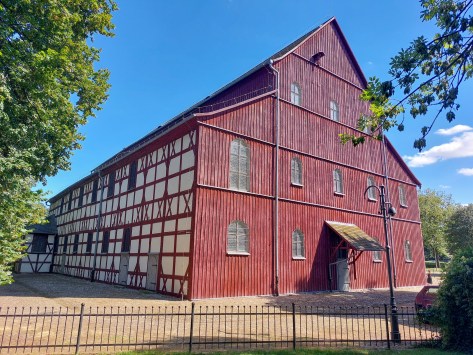
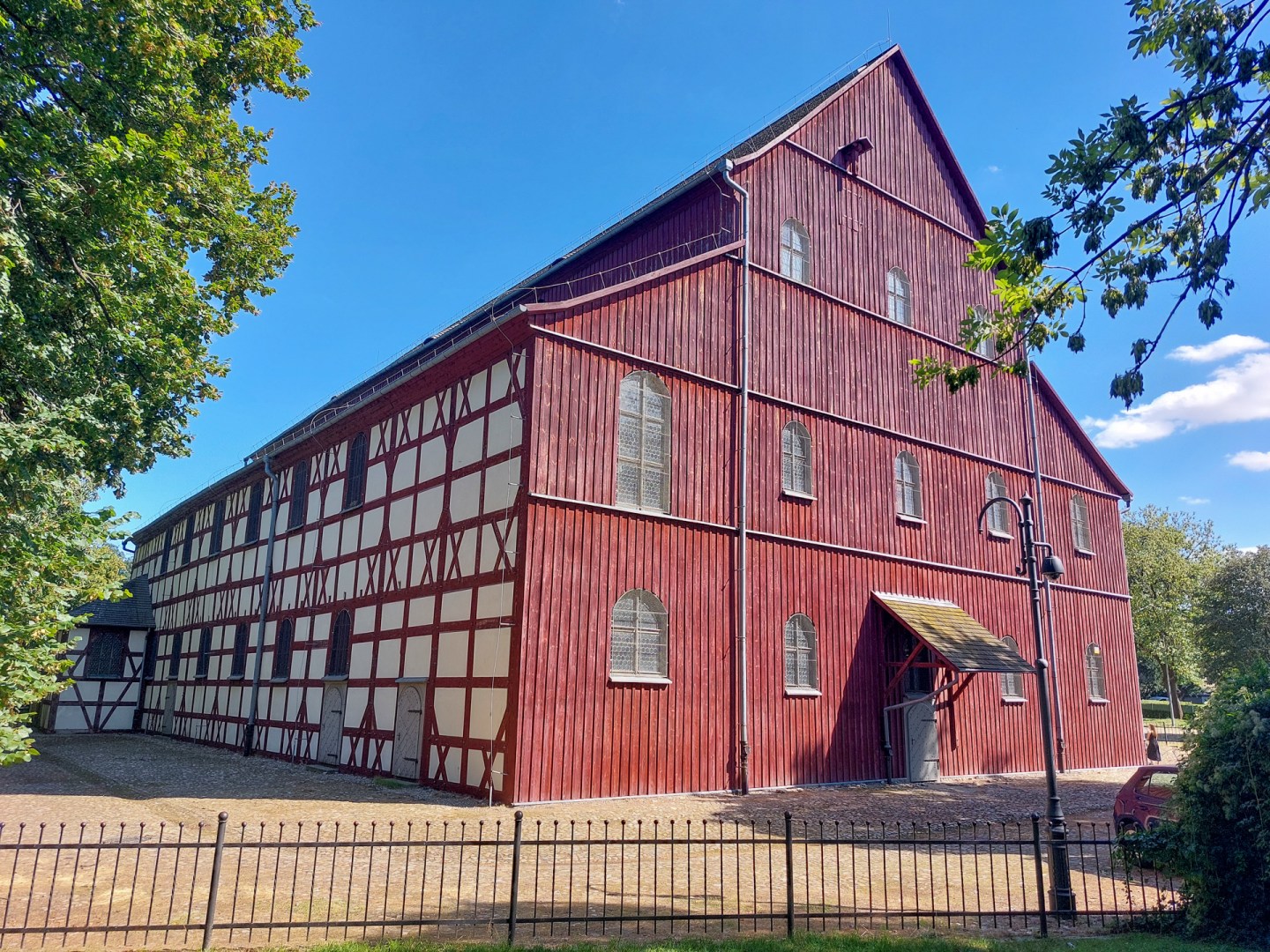
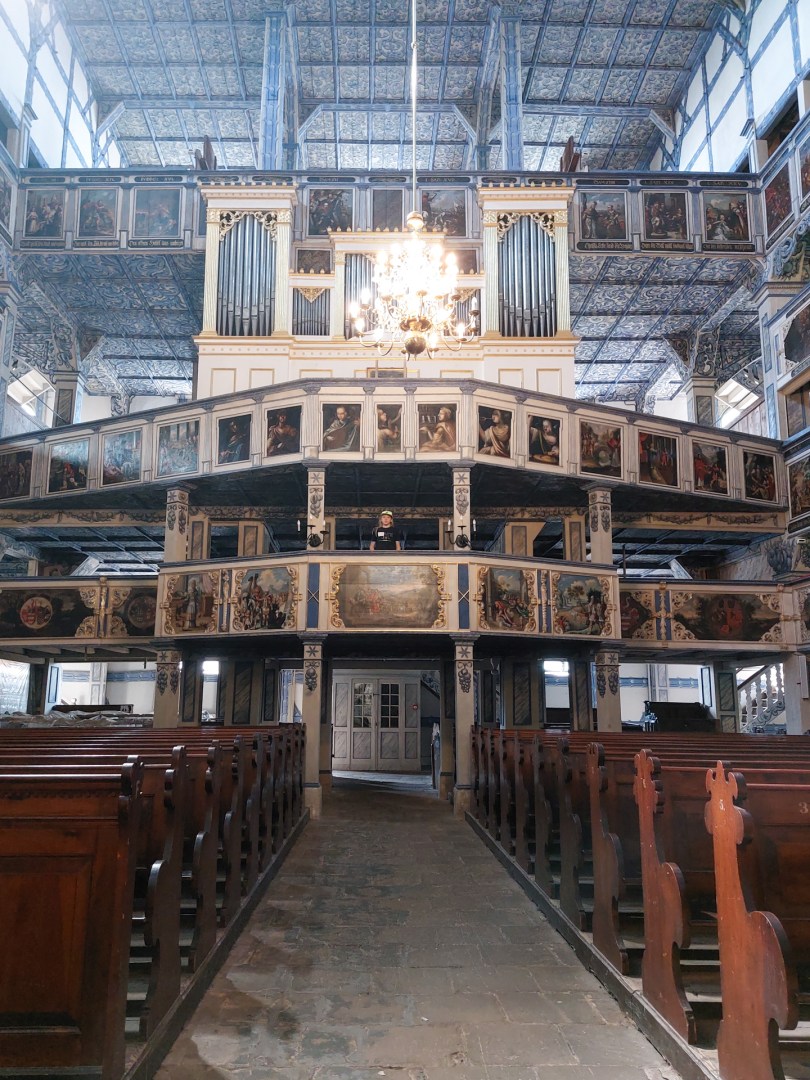
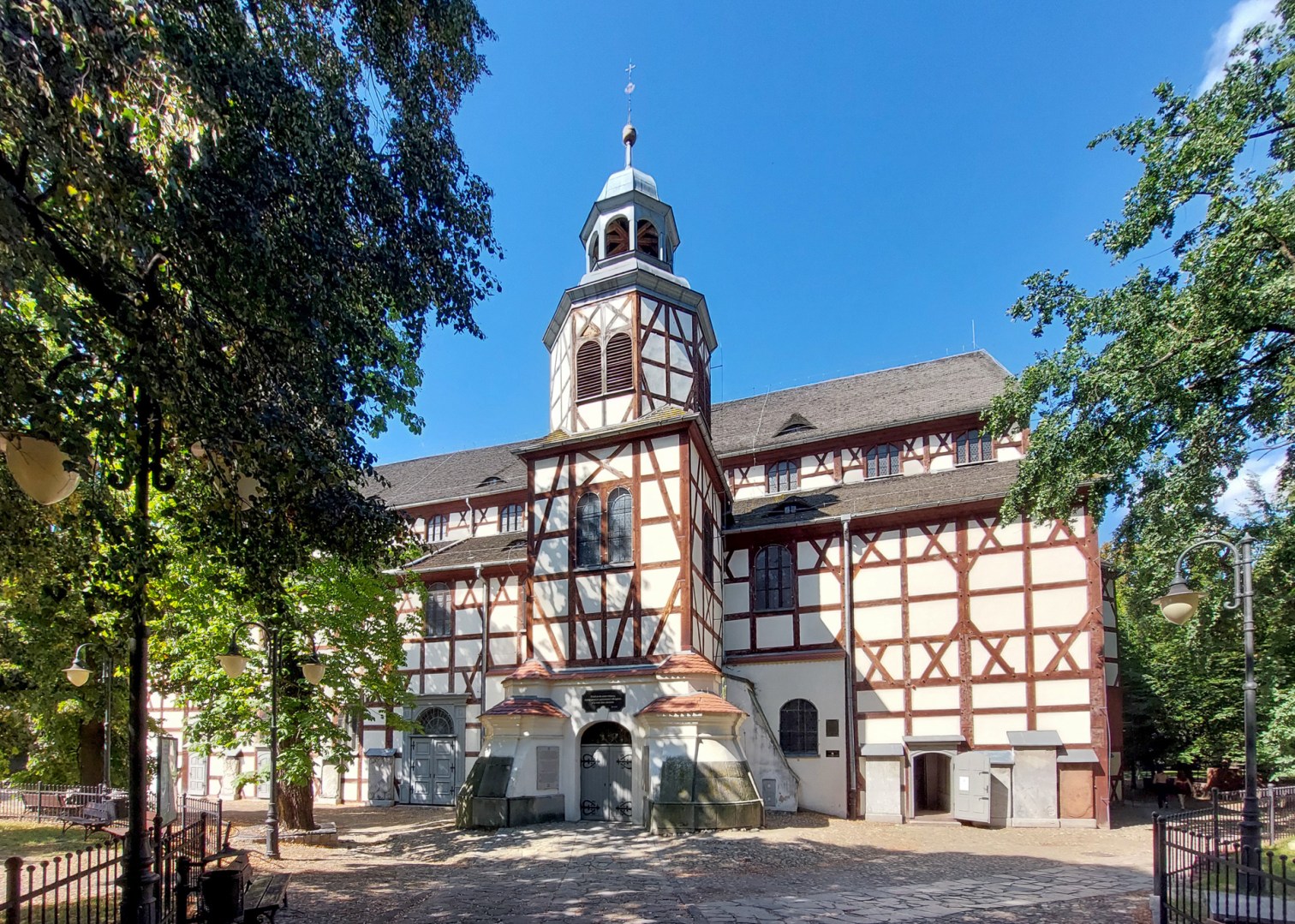
Yet few sights compare to the Church of Peace in Jawor. From the outside, it resembles a large, modest half-timbered barn. But step inside — and you’re greeted with a Baroque explosion of color, carvings, and paintings. The contrast is so striking it leaves even seasoned travelers speechless.
Recognized as a UNESCO World Heritage Site, the Church of Peace is not only one of Europe’s largest timber-framed religious structures — it is also a symbol of perseverance and faith born from adversity.
A History Forged in Adversity
The church’s origins are deeply tied to the turbulent politics of 17th-century Europe. The Peace of Westphalia (1648), which ended the Thirty Years’ War, granted Protestants in Silesia permission to build three churches — but under conditions designed to make their task nearly impossible.
The so-called Churches of Peace had to be:
- 🏞️ Built outside the city walls
- 🌲 Constructed only from wood and clay — no stone allowed
- 🔔 Built without towers or bells
- ⏳ Completed within one year
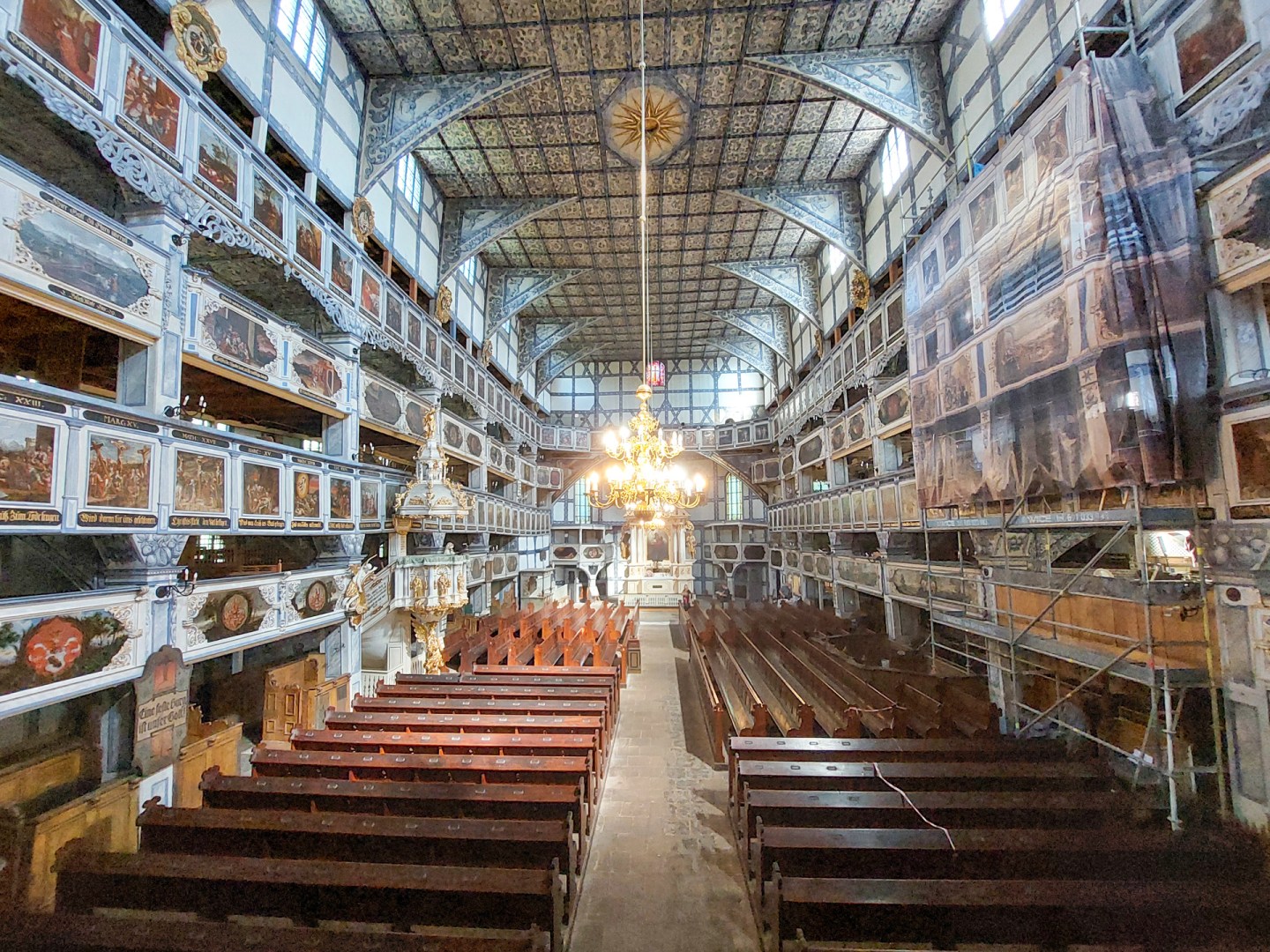
Against all odds, the Lutheran community in Jawor succeeded. Under architect Albrecht von Säbisch, they completed the Church of the Holy Spirit in 1654–1655. Despite the fragile materials, it became a masterpiece of timber-framed construction — large enough to hold over 5,000 worshippers.
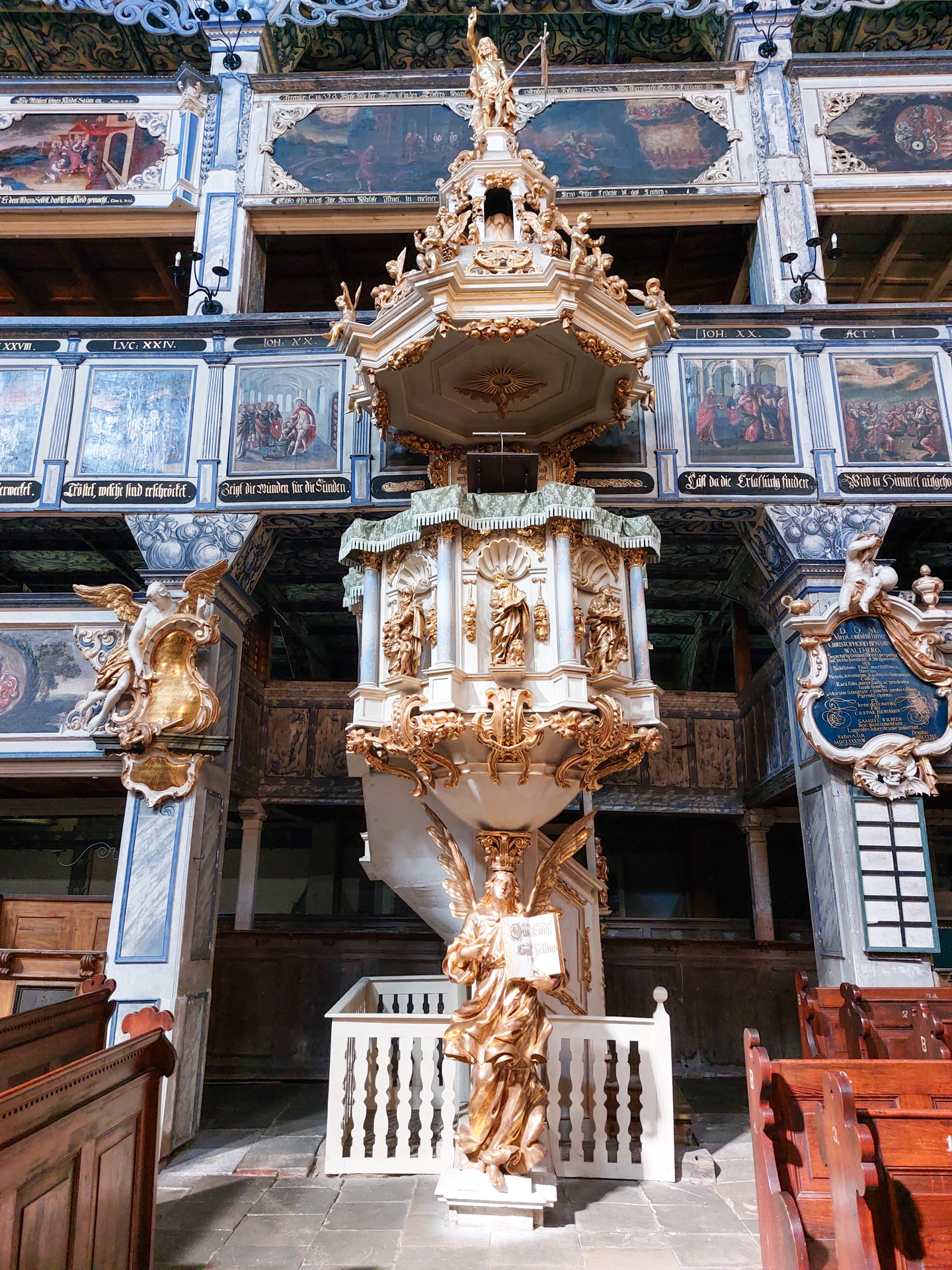
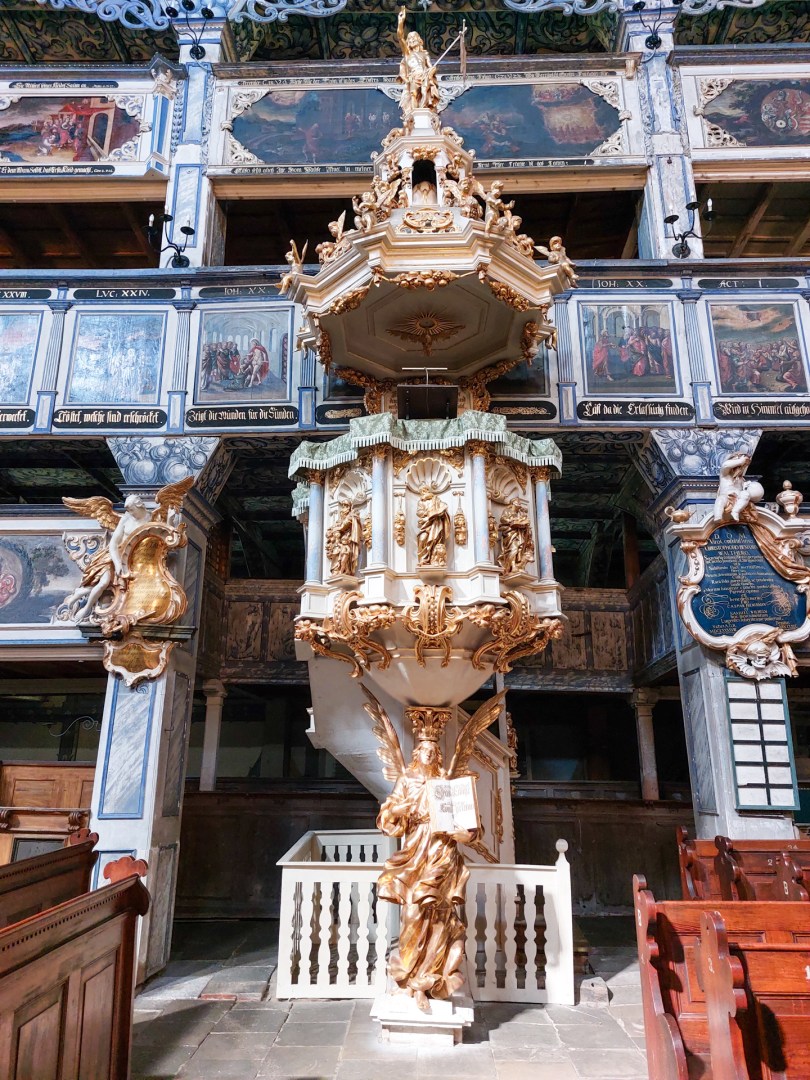
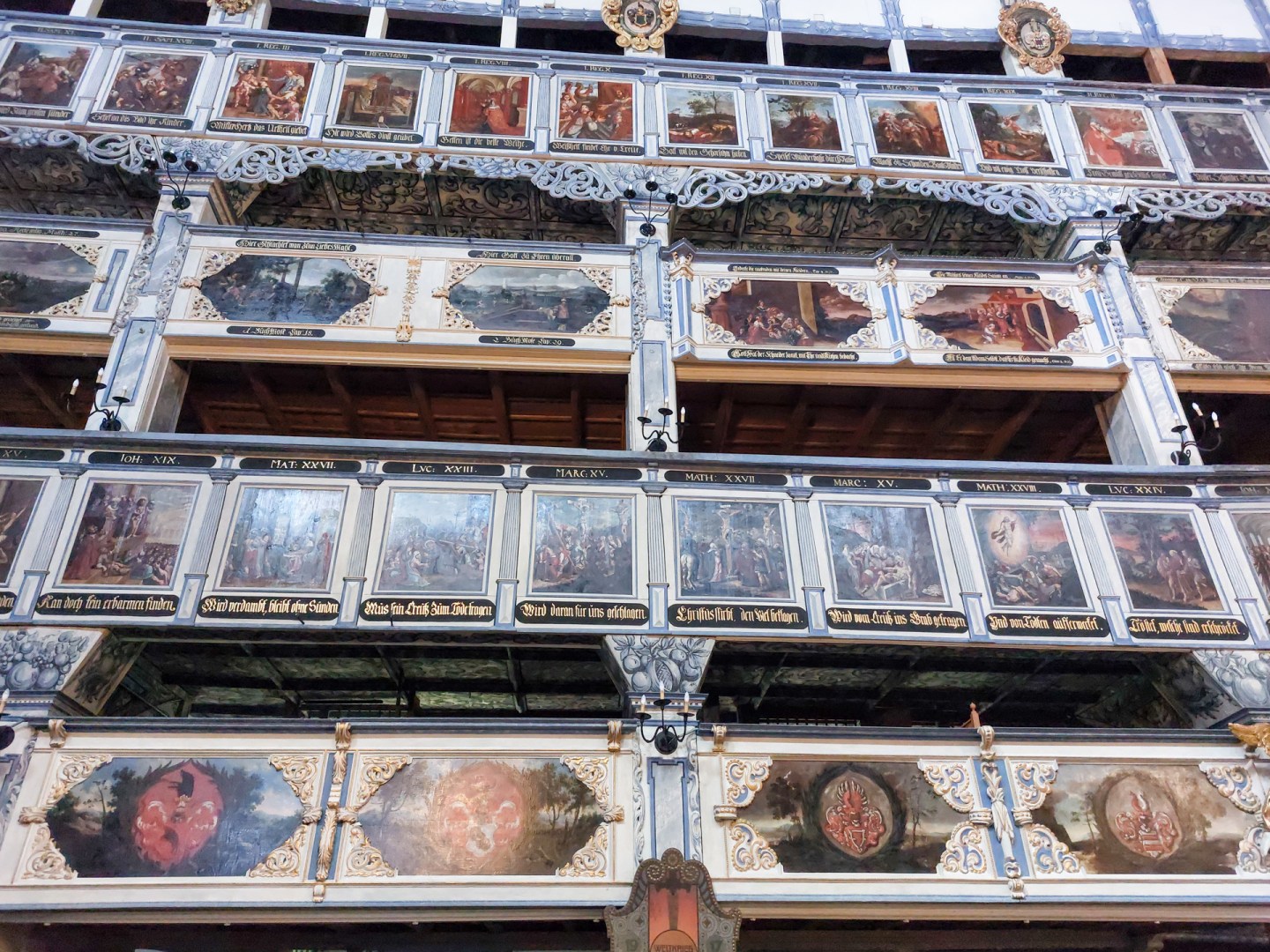
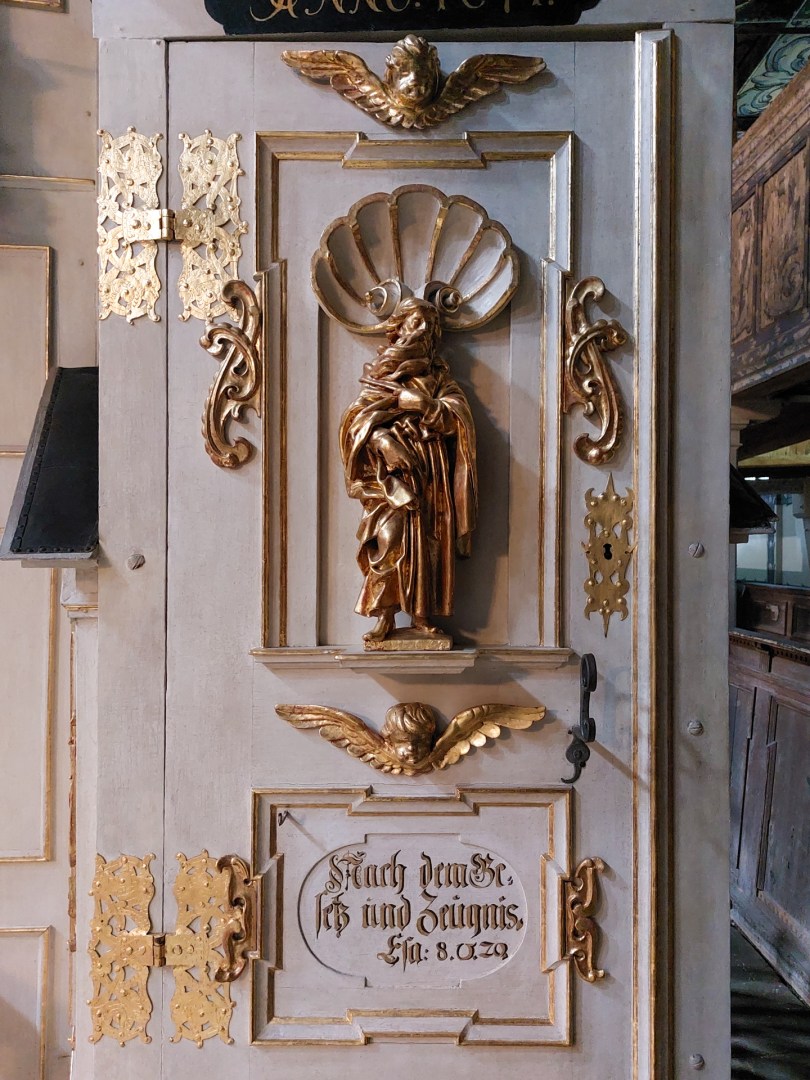
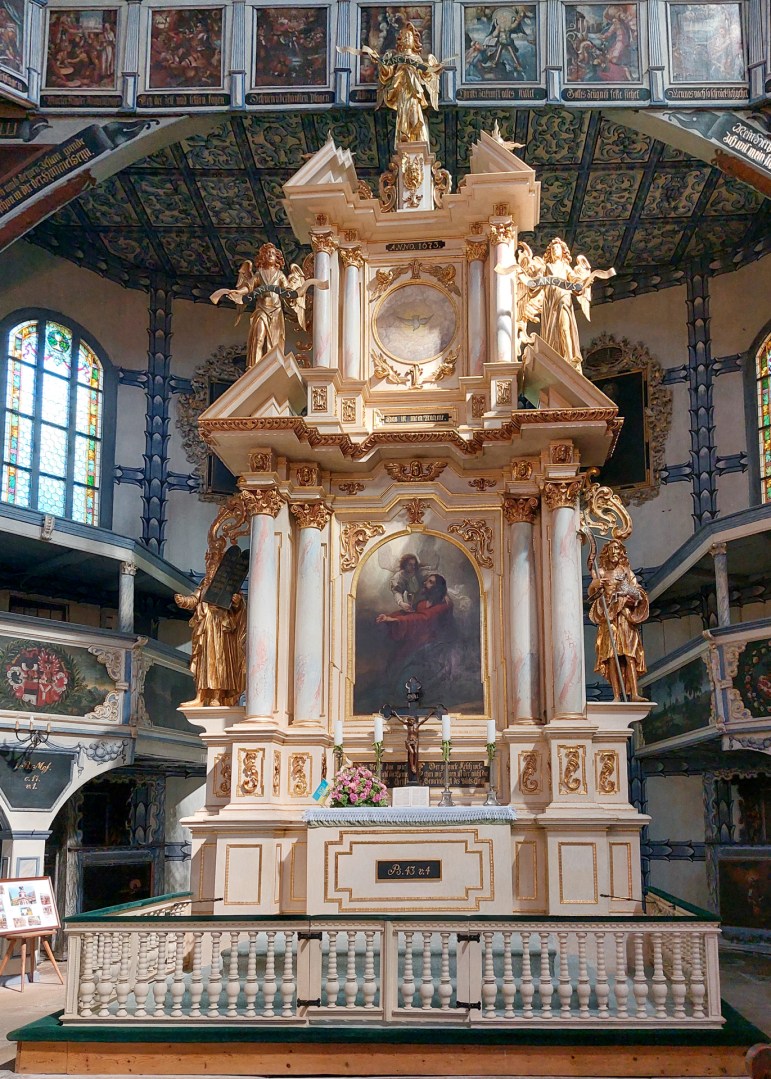
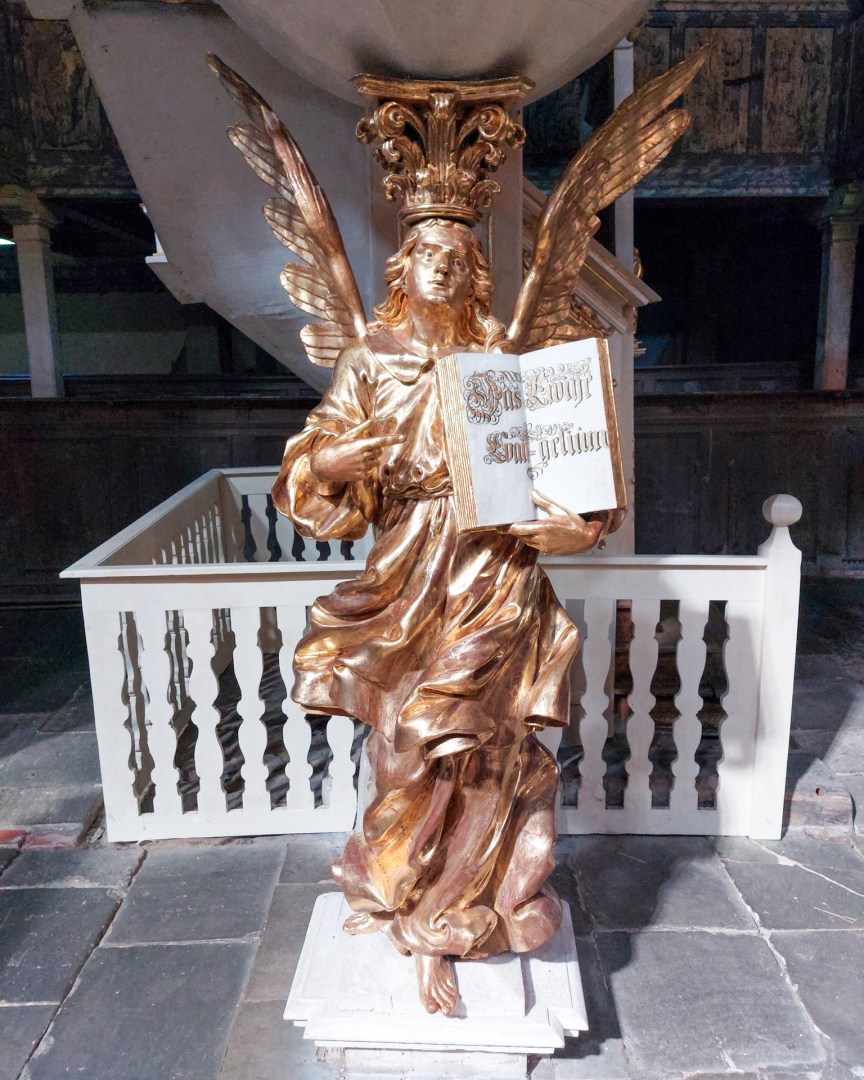
Over the following decades, artists transformed the plain wooden shell into a Baroque jewel. More than 200 paintings by Georg Flegel depict biblical scenes, while the gilded altar (1672) and pulpit shine with ornate carvings. Hard to believe, perhaps, that the building was ever meant to be temporary.
A Study in Contrasts
The Church of Peace is a building of dualities — modest on the outside, magnificent on the inside.
✨ From the outside:
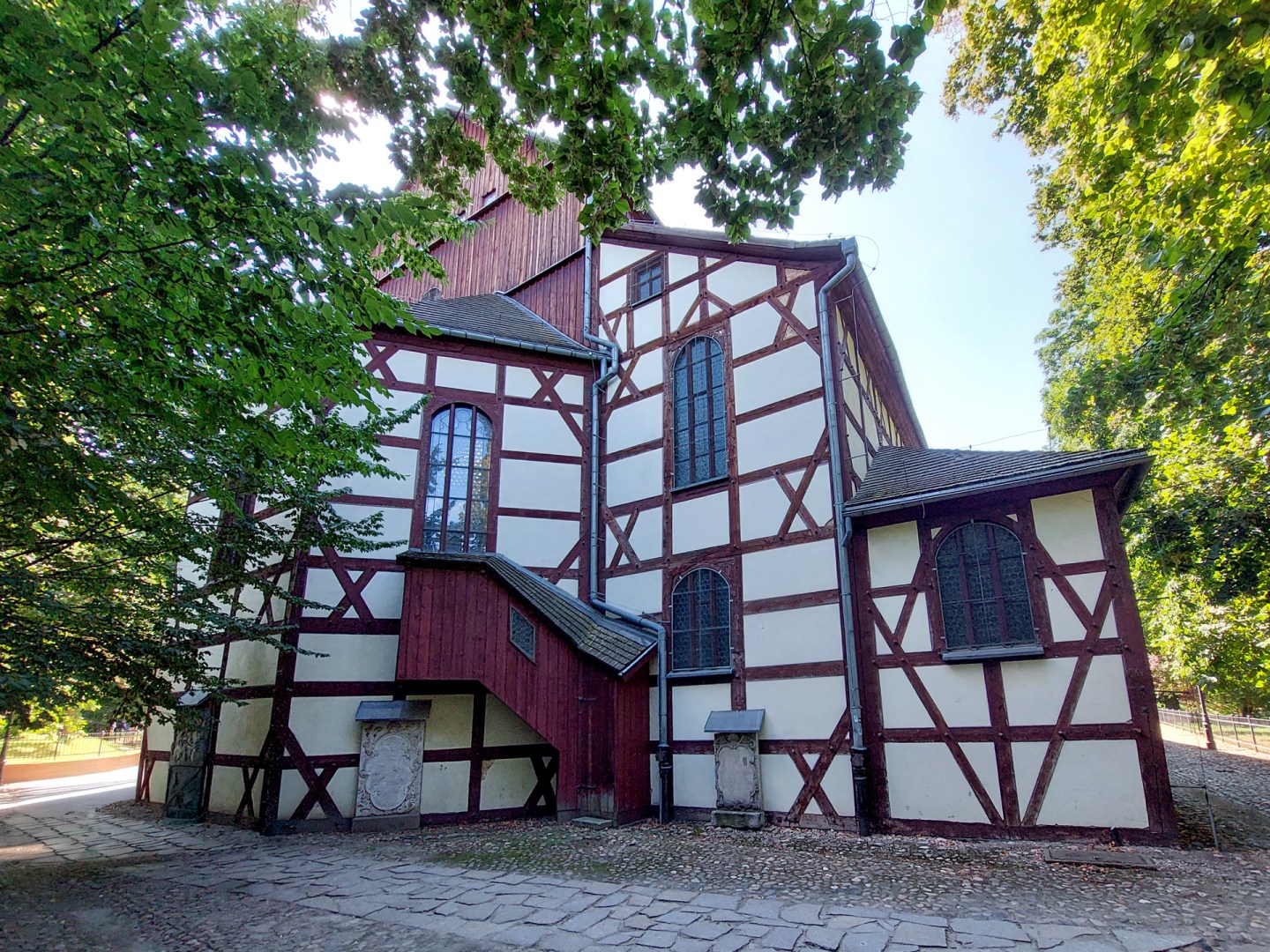
- Half-timbered walls, simple and functional
- No tower, bells, or decorative façade — in line with imperial restrictions
🎨 Inside, however:
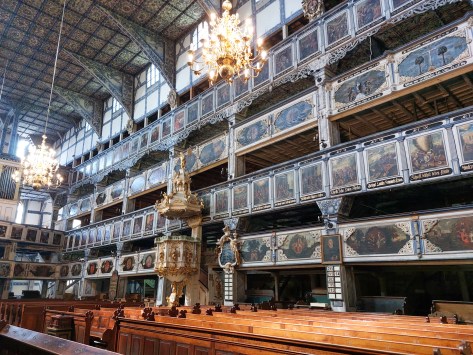
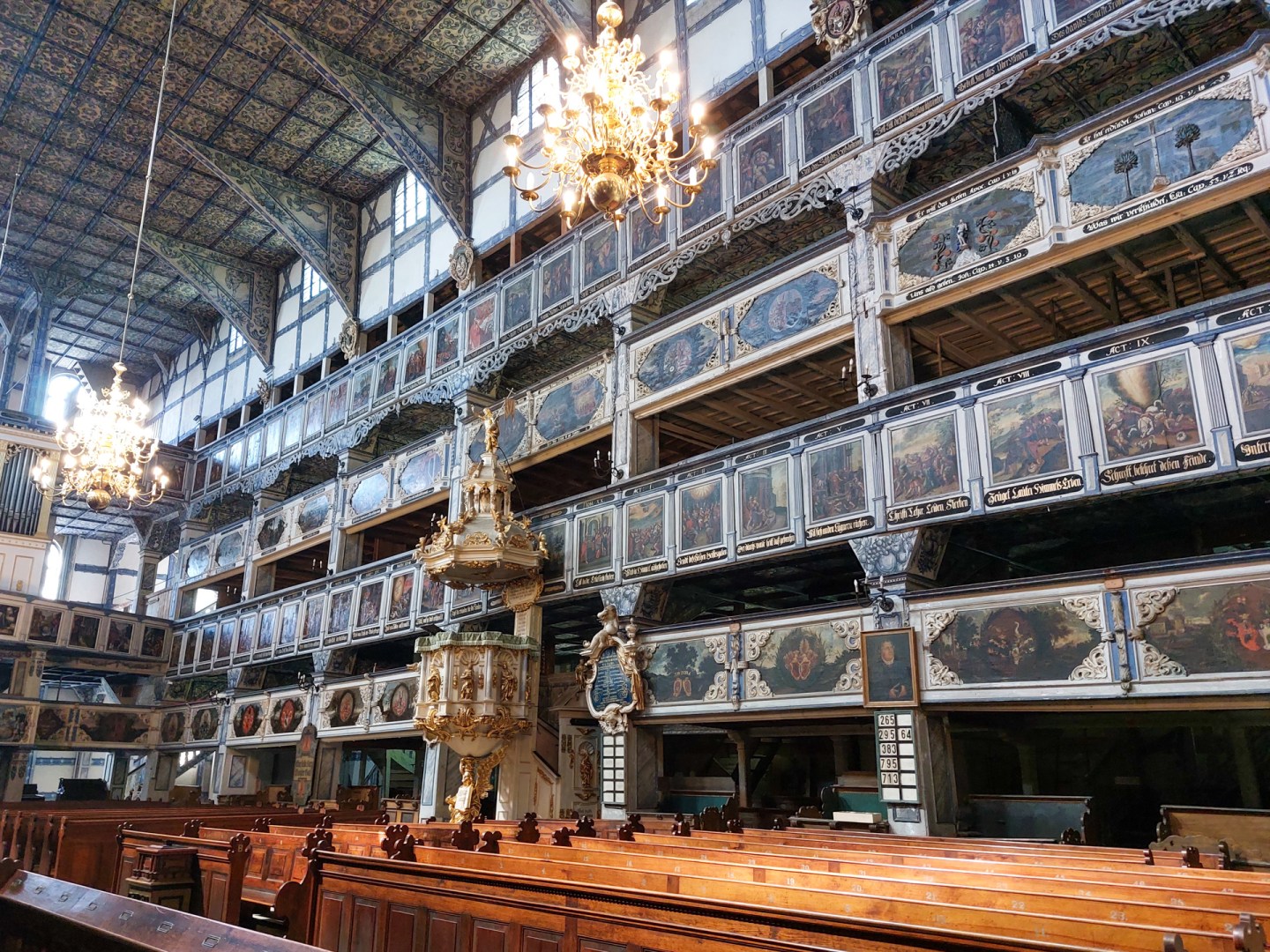
- Tiered galleries rise high, covered with portraits and biblical scenes
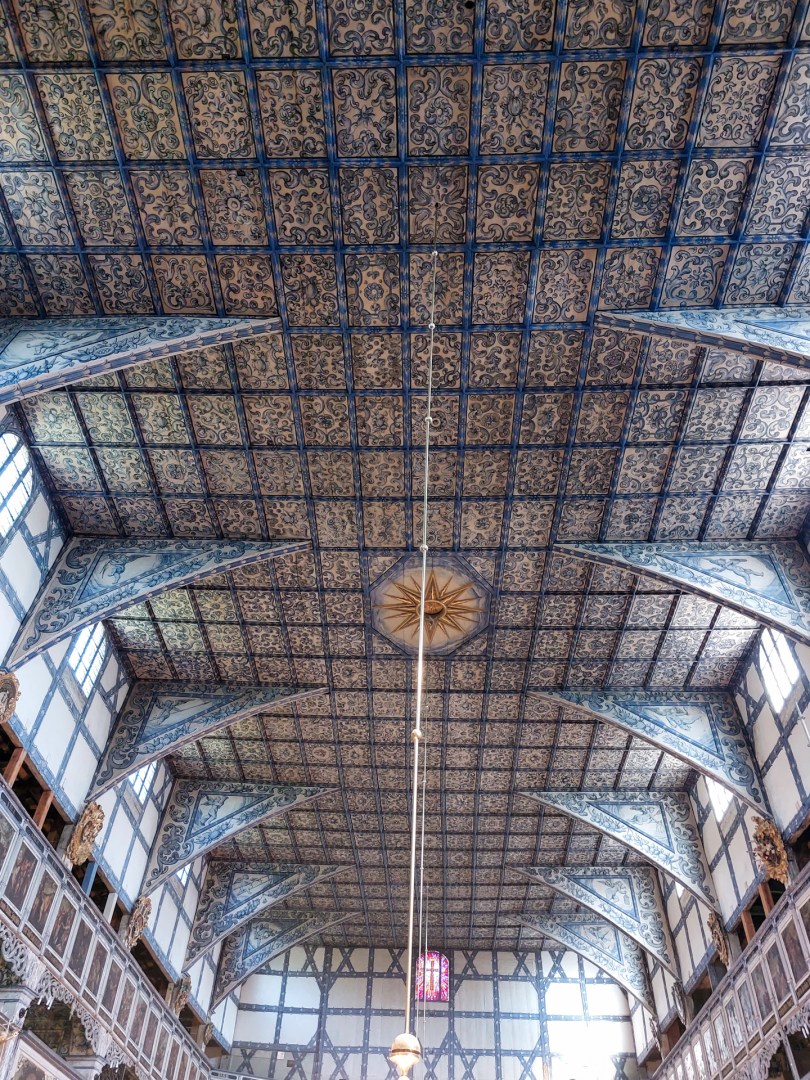
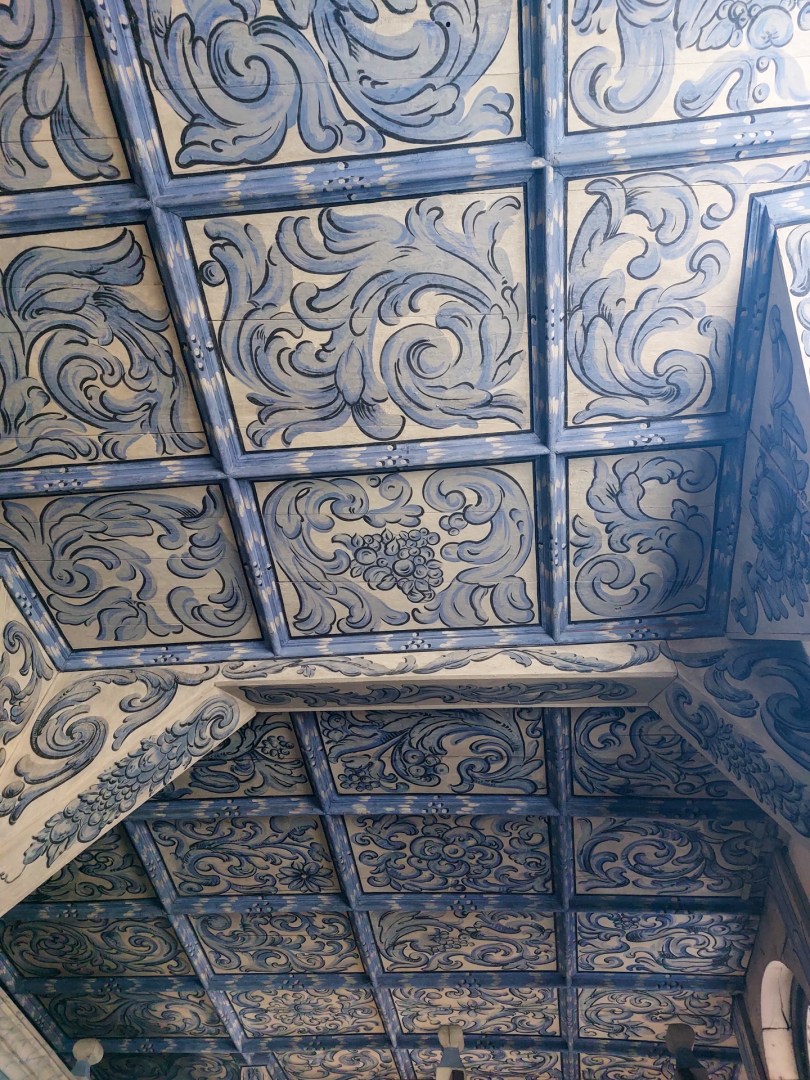
- A richly painted ceiling creates rhythm and depth
- The altar and pulpit gleam with gilded carvings
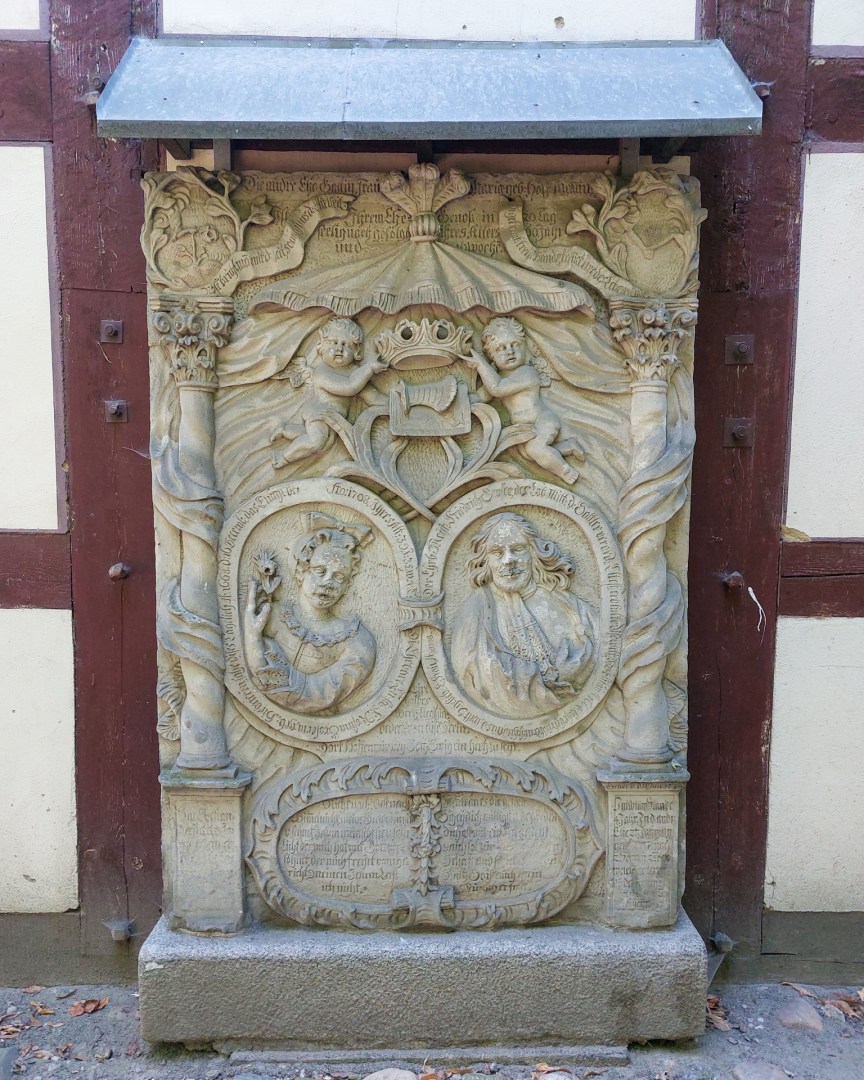
- Sculptures and epitaphs tell stories of Jawor’s Protestant community
It’s a place where compliance with rules turned into artful defiance — a plain shell concealing an interior of breathtaking splendor.


Did You Know?
- 🪵 The Church of Peace in Jawor is one of the largest wooden churches in Europe.
- 🏛️ Only two survive today — Jawor and Świdnica — both UNESCO World Heritage Sites since 2001.
- 🔥 The third church, in Głogów, was destroyed by fire in 1758.
- ✝️ Through wars, borders, and politics, the Jawor church has remained Lutheran to this day.
A Cyclist’s Guide to Visiting Jawor
🚴 Getting There
- Located about 60 km west of Wrocław — perfect for a weekend cycling trip.
- Convenient train connections make it easy to shorten the ride if you prefer.
🌿 The Ride
- Quiet country roads lead you through rolling fields and gentle hills.
- A peaceful approach that sets the mood for a historic visit.
🚲 Bike-Friendly Town
- Jawor has cycle paths and a compact old town ideal for exploring on foot.
- Safe spots to lock your bike near the church entrance.
🏰 Other Sights Nearby
- Jawor Market Square and colorful townhouses
- Town walls and the remains of Jawor Castle
- Extend your trip to Świdnica to see the second Church of Peace
🌳 Pro Tip
The churchyard is shaded by old trees — a perfect place to rest, refill your water bottle, and cool down on a summer ride.
Final Thoughts
The Church of Peace in Jawor is more than an architectural wonder. It’s a story of resilience and faith, preserved in timber and paint. For cyclists, it offers the perfect blend of culture, history, and scenic riding through the landscapes of Lower Silesia.
So next time your route leads you near Jawor, take a break. Lean your bike against its half-timbered walls, step inside, and let the 17th century surround you — where wood, art, and unwavering belief created something truly extraordinary.
🗺️ This heritage site is mapped on my Global Cycling Map.
If you’re planning a cycling trip through Lower Silesia, make sure Jawor is on your route. The Church of Peace isn’t just a stop — it’s an experience that blends history, architecture, and the joy of slow travel on two wheels. 🚴♂️✨
👉 Have you visited Jawor or Świdnica? Share your thoughts or cycling stories in the comments — I’d love to hear how these UNESCO treasures inspired you!
Gallery: Baroque Splendor of Jawor’s UNESCO Treasure


Discover more from Shutter and Saddle
Subscribe to get the latest posts sent to your email.
 Shutter and Saddle