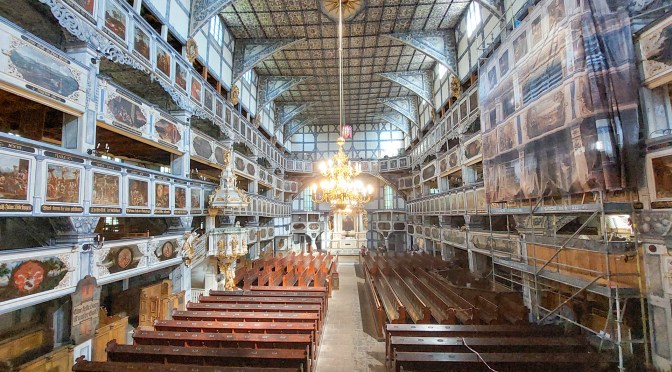
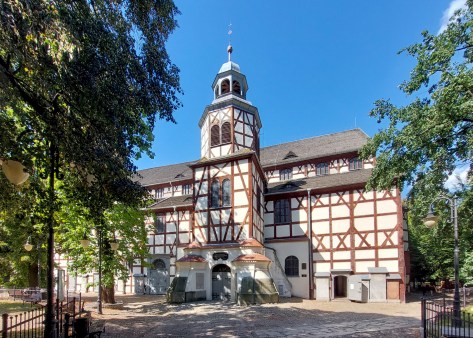
The half-timbered exterior of the Church of Peace in Jawor gives little hint of the Baroque splendor hidden inside
Cycling through Lower Silesia is like pedaling through the pages of a living history book. Around every bend, you’ll find a medieval castle, a cobblestone old town, or a sweeping mountain vista.
Yet few sights compare to the Church of Peace in Jawor. From the outside, it resembles a large, modest half-timbered barn. But step inside — and you’re greeted with a Baroque explosion of color, carvings, and paintings. The contrast is so striking it leaves even seasoned travelers speechless.
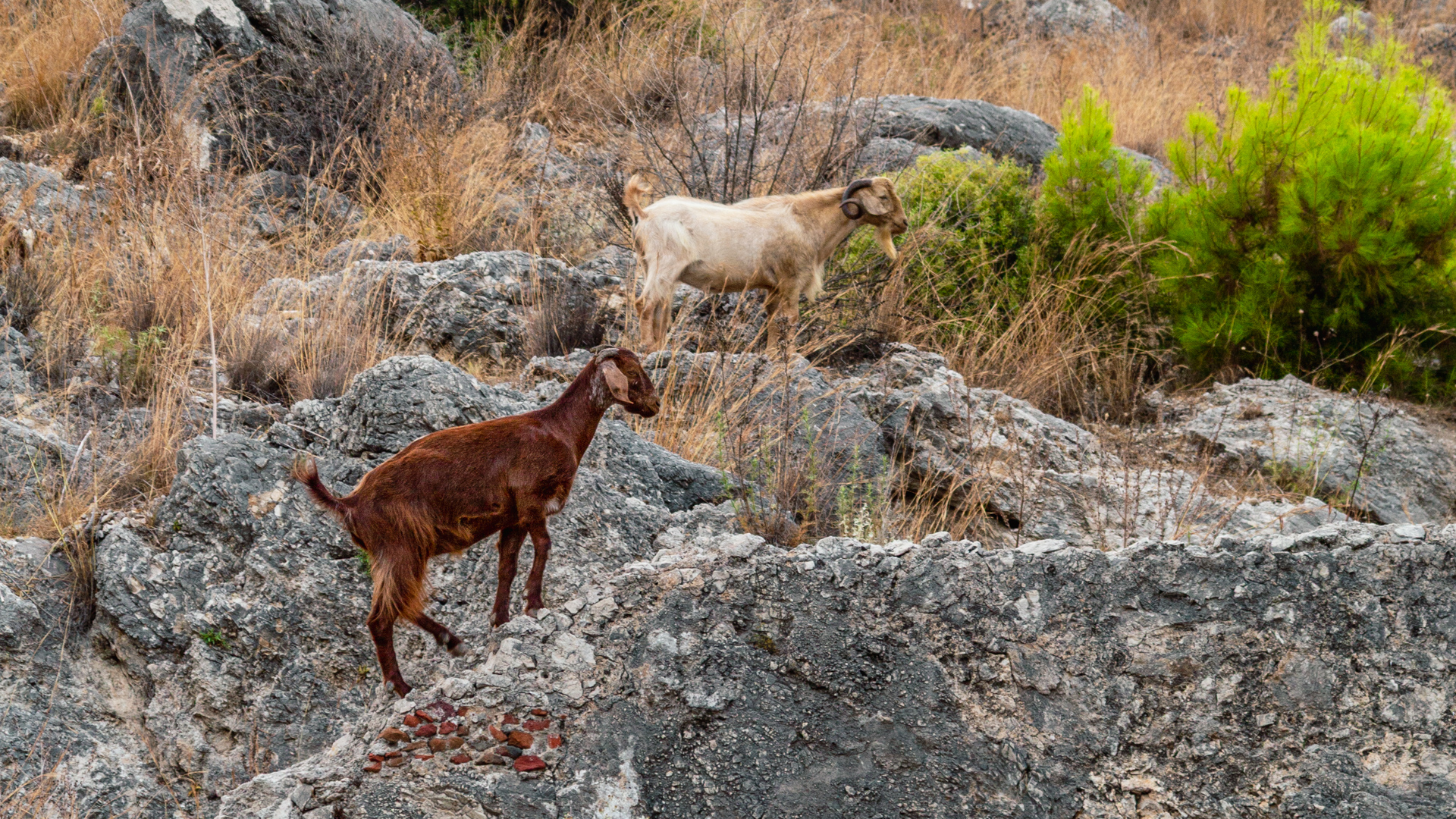
Wild goats navigating steep rocks under the ancient walls of Alanya Castle
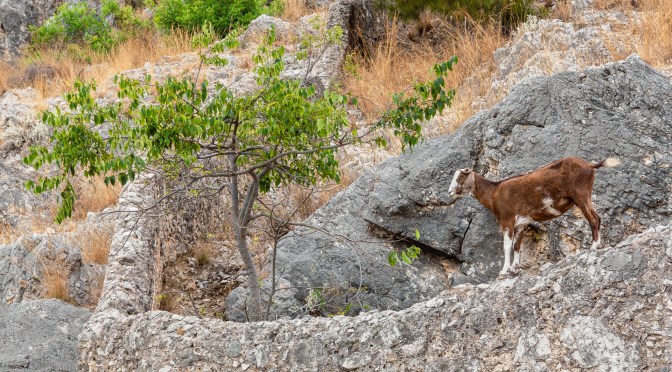
A solitary wild goat standing confidently on a cliffside near Alanya Castle
Amid the dramatic cliffs and the timeworn fortifications of Alanya Castle in Turkey, I stumbled upon a small herd of wild goats navigating the rocky slopes with astonishing ease.
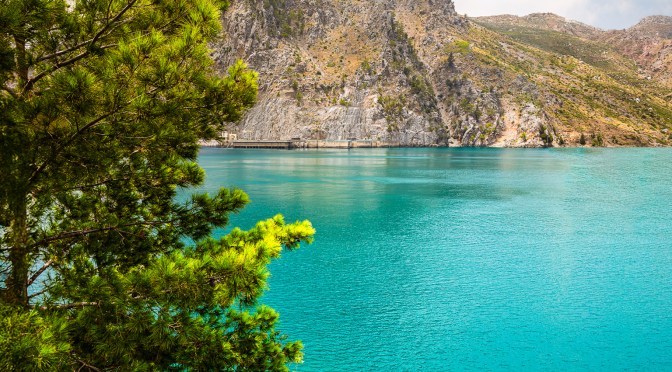
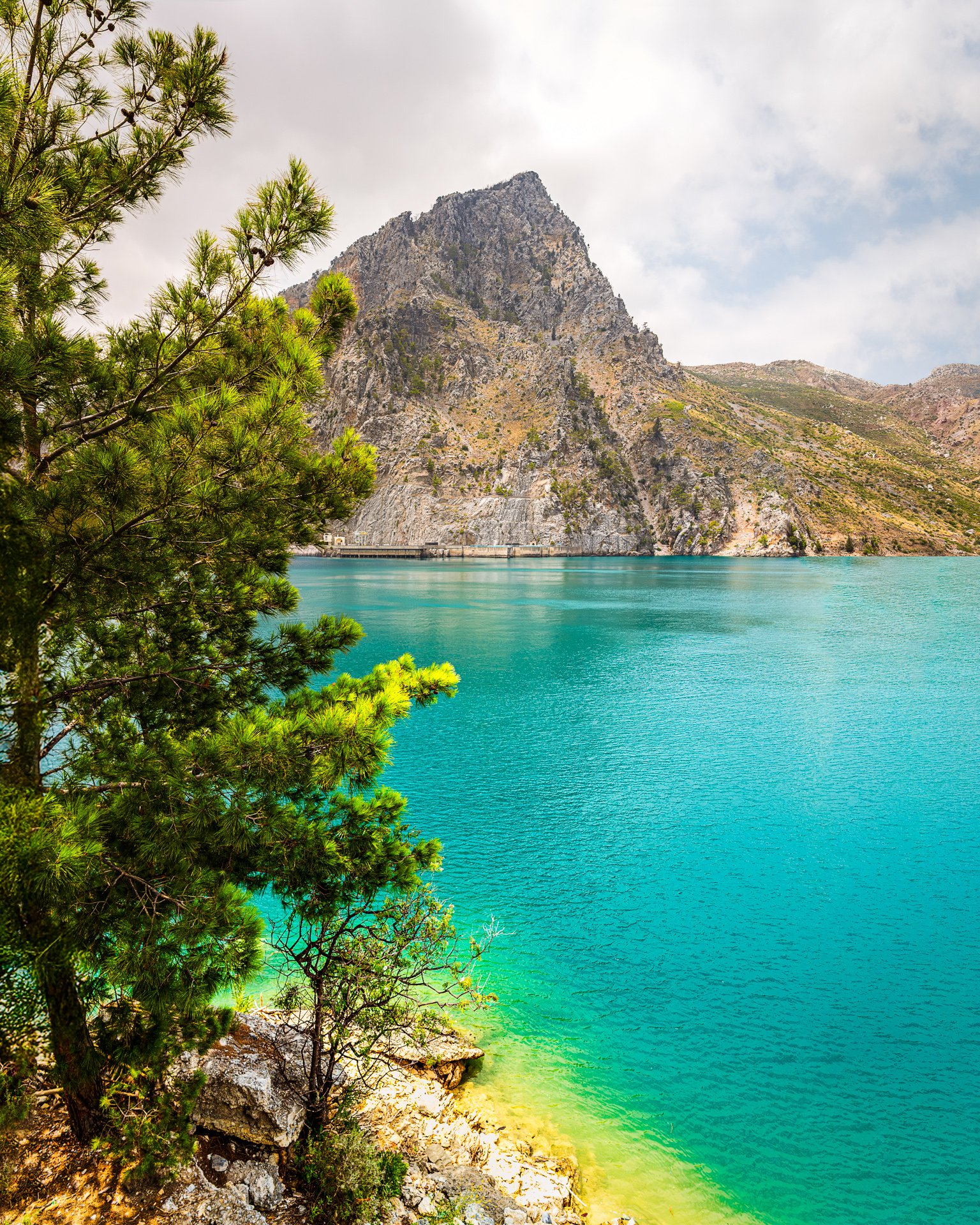
Turquoise waters framed by pine trees, leading toward a rugged mountain under a cloudy sky
It was a warm but comfortable day in the mountains — drifting clouds above, sunlight shimmering across a turquoise mountain lake below. From the pine-lined shore, the view unfolded in perfect harmony: emerald needles in the foreground, crystal-clear ripples glowing in shades of blue and green, and the rugged slopes of the mountain rising with quiet authority. Nature didn’t need grandeur to impress; the balance of colors and textures spoke for itself.
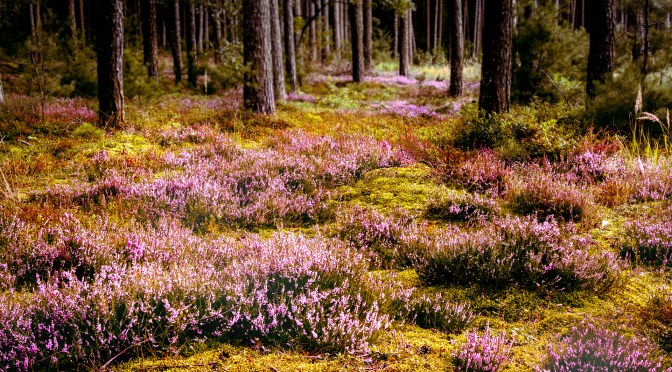
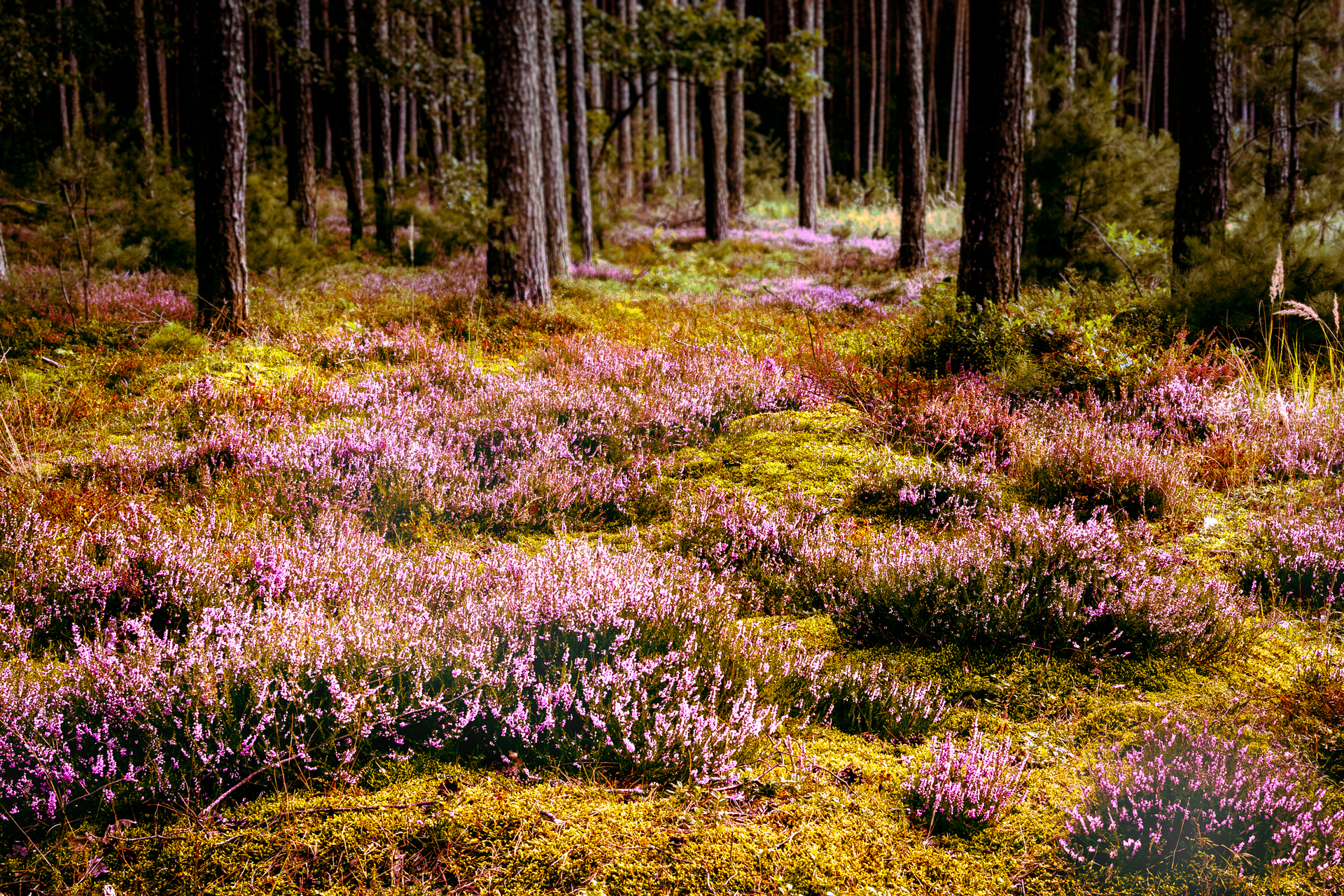
Late-summer heather fields stretching beneath tall pines in a Polish forest — a fleeting burst of color before autumn
Late summer in Poland is gently yielding to autumn — days grow shorter, mornings grow crisper, and the light takes on a warm golden softness, as if each scene is offering a quiet farewell. But before the leaves turn and the first mists descend, Polish forests burst into one last spectacular display. Vast heather fields, painted in shades of violet and rose, carpet the forest floor beneath tall, straight pines, stretching toward the horizon under the late-summer sun. In this brief but magical moment, the woods transform from a world of deep green shadows into a vibrant tapestry of color glowing with warmth and life.
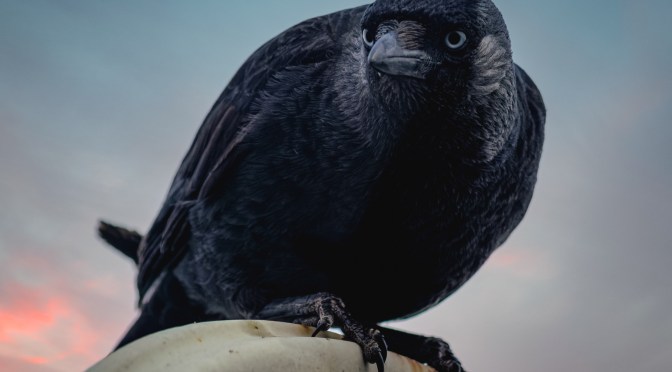
Jackdaw perched on my balcony satellite dish — a fleeting, up-close moment at dusk
It wasn’t planned — one moment the satellite dish on my balcony was empty, and the next, a jackdaw had landed, claiming it like a throne. I had just seconds to grab the camera, switch lenses, and inch closer without startling it. No time for a tripod or careful settings — just instinct, fast fingers, and a bit of luck.
Golden hour reflections and calm waves at a Turkish beach — the pier, the clouds, and the soft light turned this into a perfect summer evening
There’s a special kind of stillness that falls over a beach just before the sun disappears below the horizon. This sunset beach photo was taken on such an evening — warm air, soft waves, and golden light gradually fading into night. I hadn’t expected such a dramatic sky, but as clouds scattered and sunrays broke through, the atmosphere turned quietly cinematic.
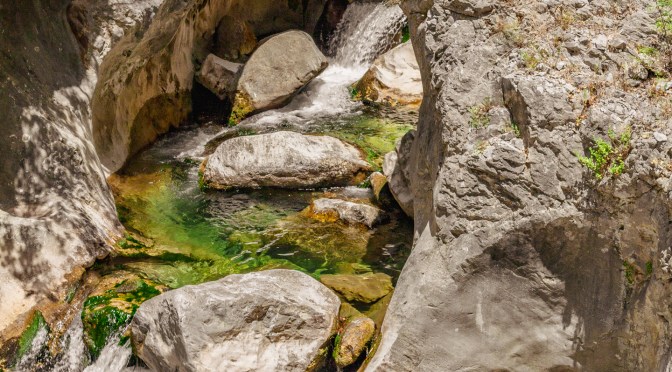
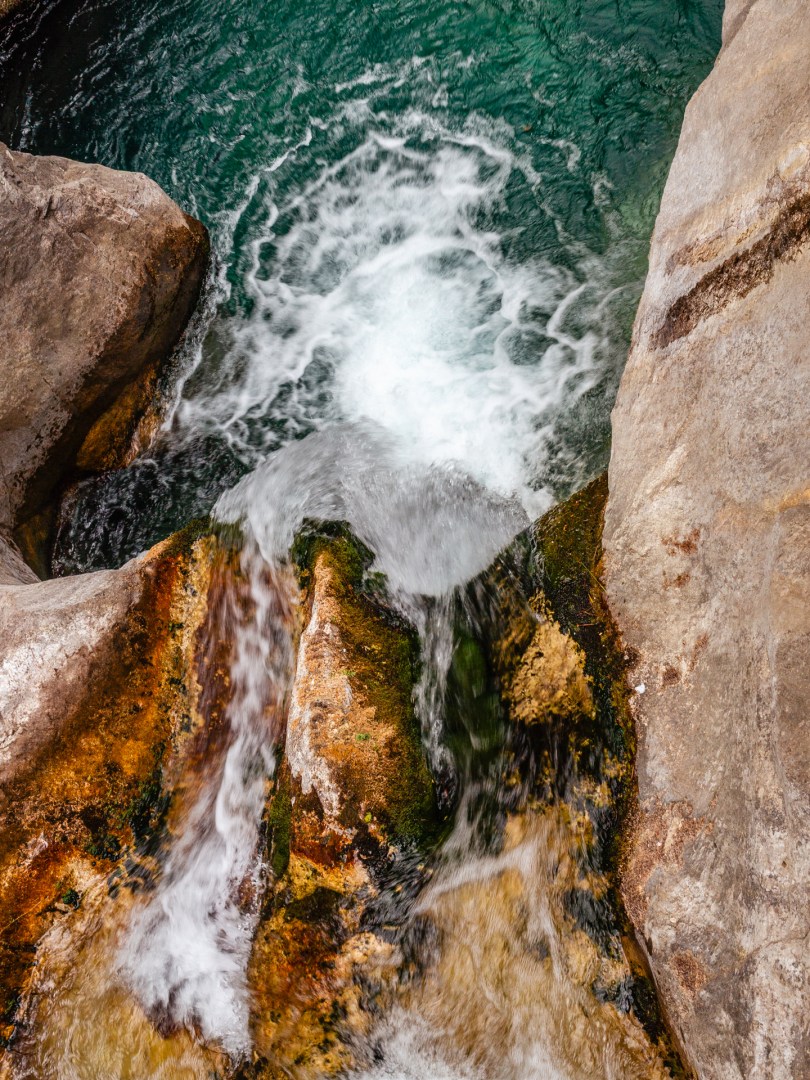
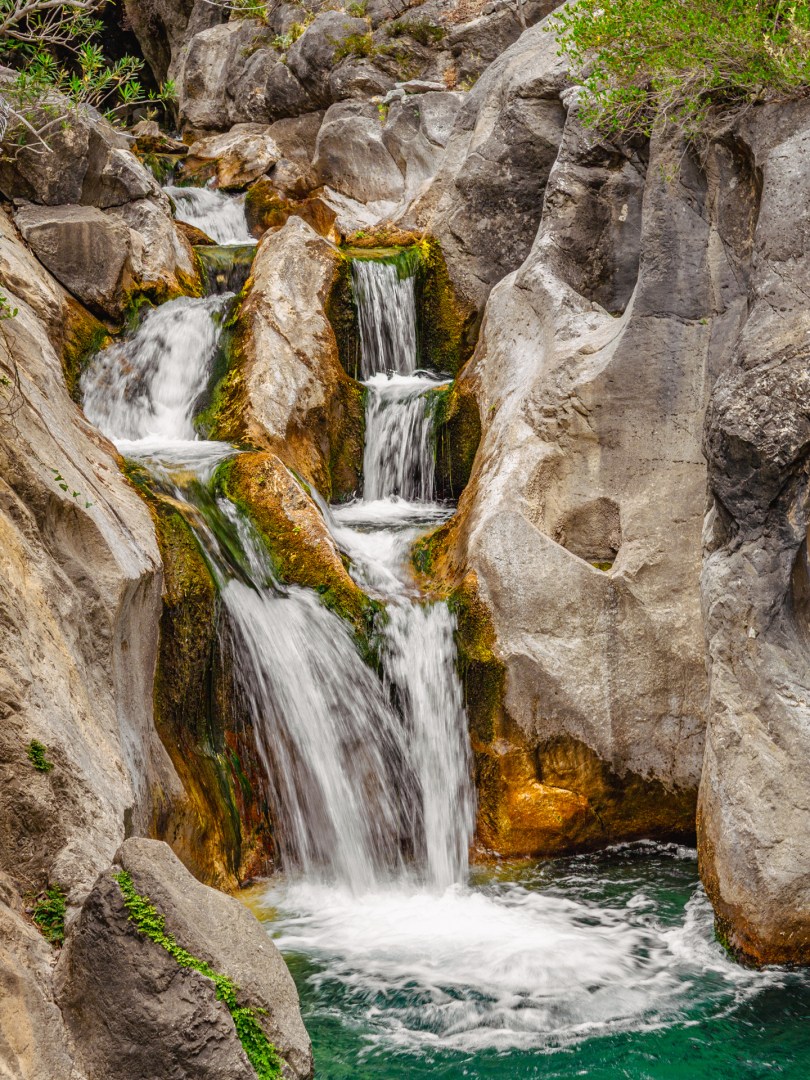
Tucked away in the shadowy folds of the Taurus Mountains, Sapadere Canyon is a hidden gem of southern Turkey — a narrow gorge carved over millennia by the relentless force of water. Located just a short, scenic drive from the seaside city of Alanya, it offers a dramatic escape into nature with its steep cliffs, cool shade, and a string of waterfalls and emerald-green pools.
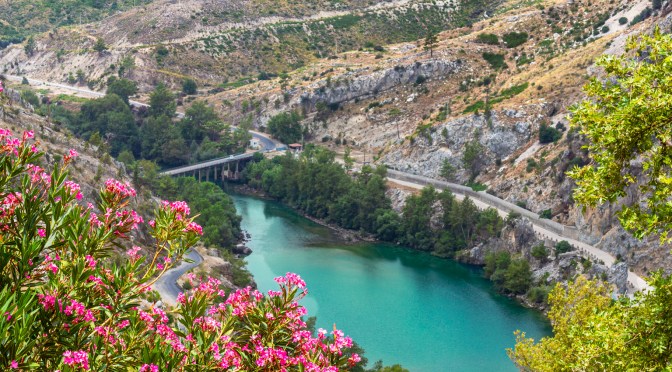
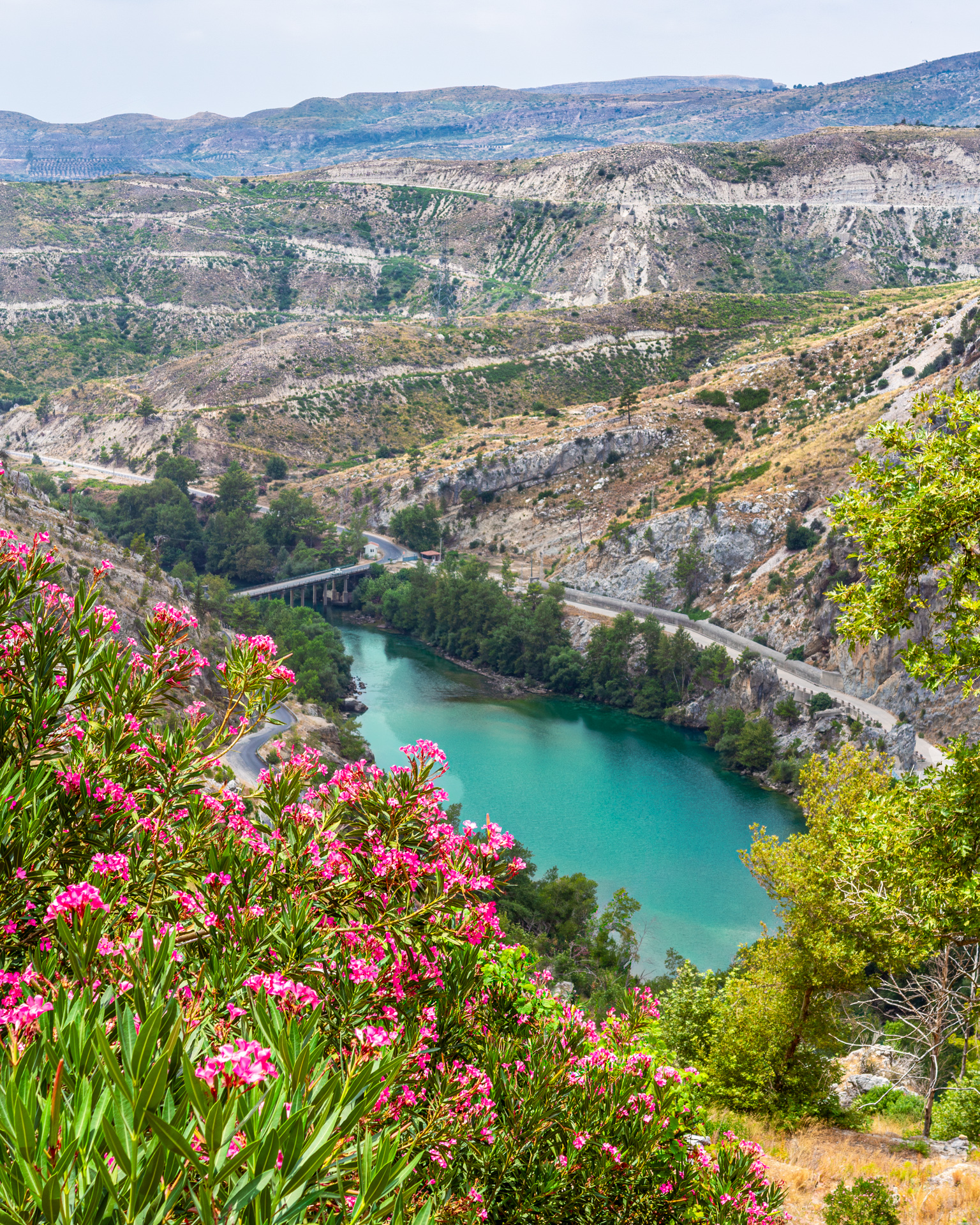
A turquoise ribbon cuts through parched hills as oleanders bloom by the roadside — a spontaneous moment of stillness and color
Some landscapes don’t shout — they hum. This one, nestled in the sunbaked folds of southern Europe, revealed itself not with grandeur but with quiet harmony: parched hills layering into the distance, a serpentine road, a turquoise river gliding below, and a burst of pink oleanders in the foreground.
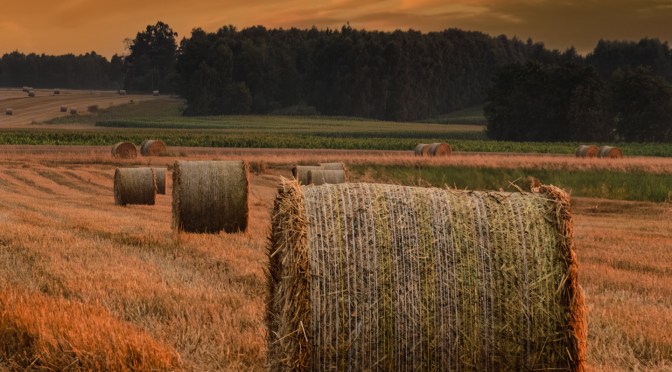
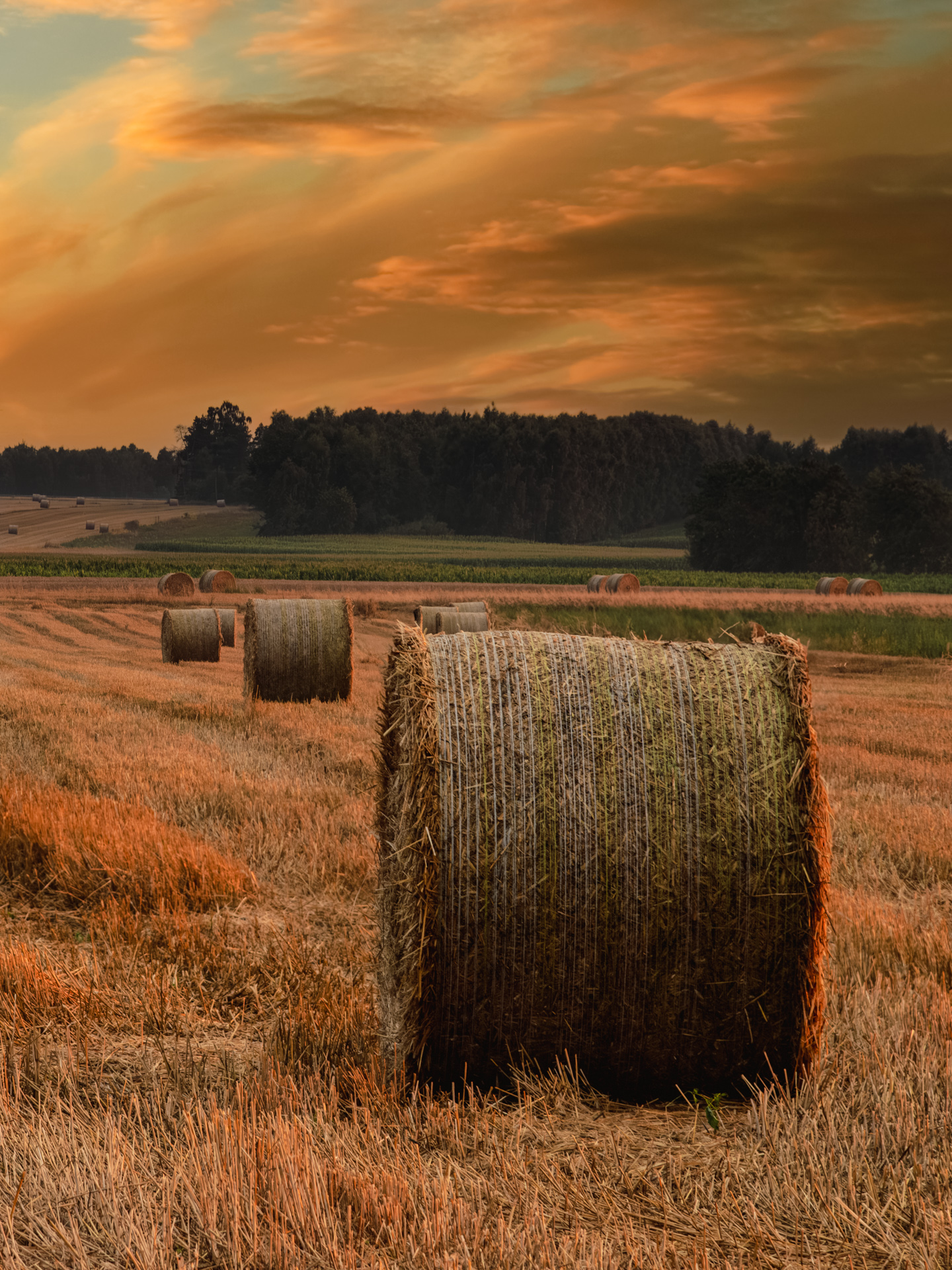
Early signs of autumn — hay bales glowing in July’s last light, captured and developed with a warm color grade and soft shadows
July lingers — yet already, the Polish countryside hums with signs of the coming harvest. In this golden-hour landscape, hay bales scatter across the fields, long shadows stretch toward the treeline, and the sun dips low, casting a soft, amber light that feels more like late August than midsummer.
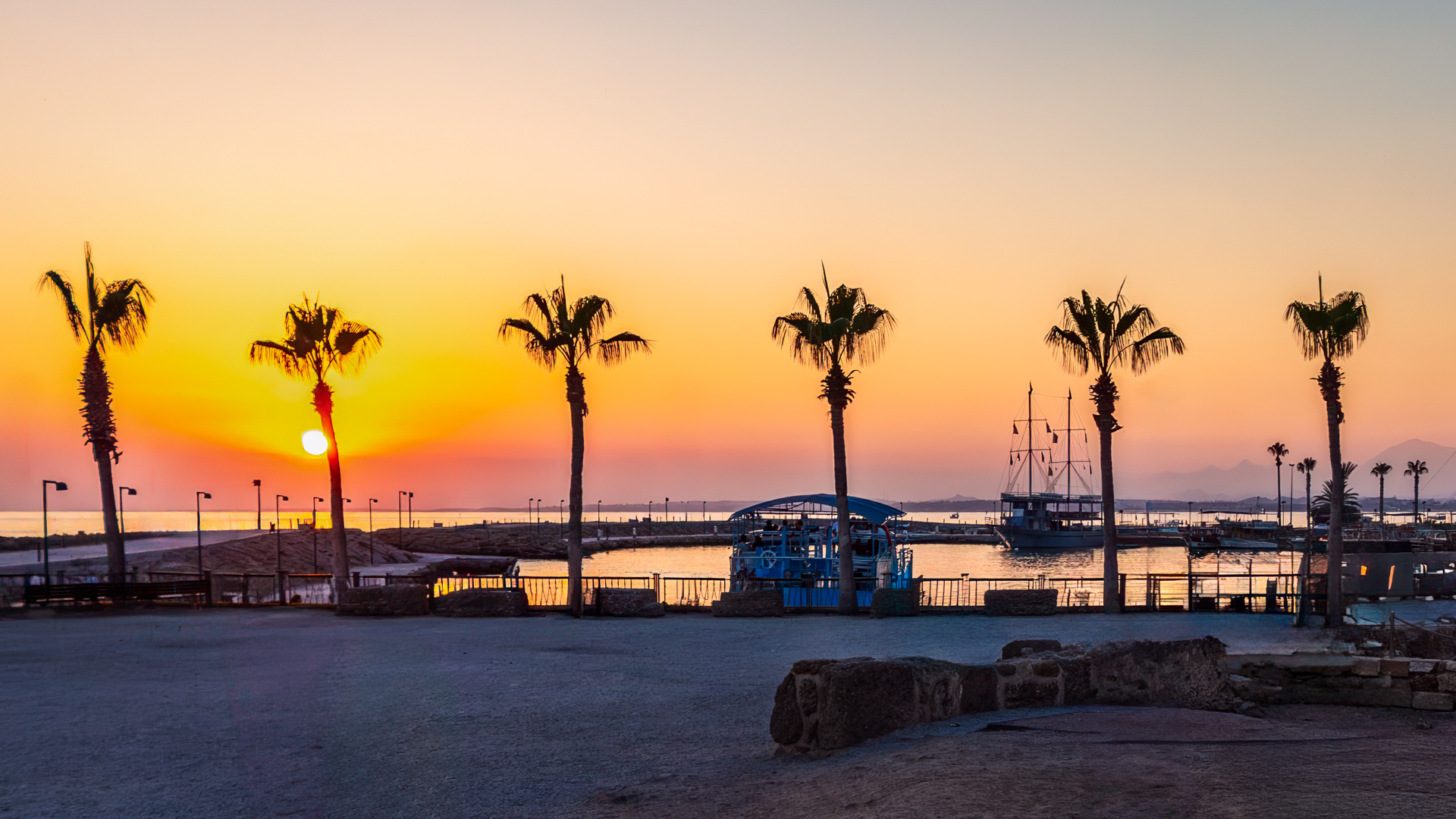
Palm trees line the harbor at sunset as boats rest in the calm waters — a golden hour moment on a peaceful Mediterranean coast
This sunset scene felt almost too perfect to be true — a peaceful harbor lined with palm trees, still water gently holding anchored boats, and warm golden light bathing everything in calm. I arrived at just the right moment, when the sun dipped low and the bay shimmered with color. The symmetry of the palms and the glowing sky made me pause, raise the camera, and take the shot. Sometimes, photography isn’t about chasing the perfect light — it’s about being ready when it finds you.
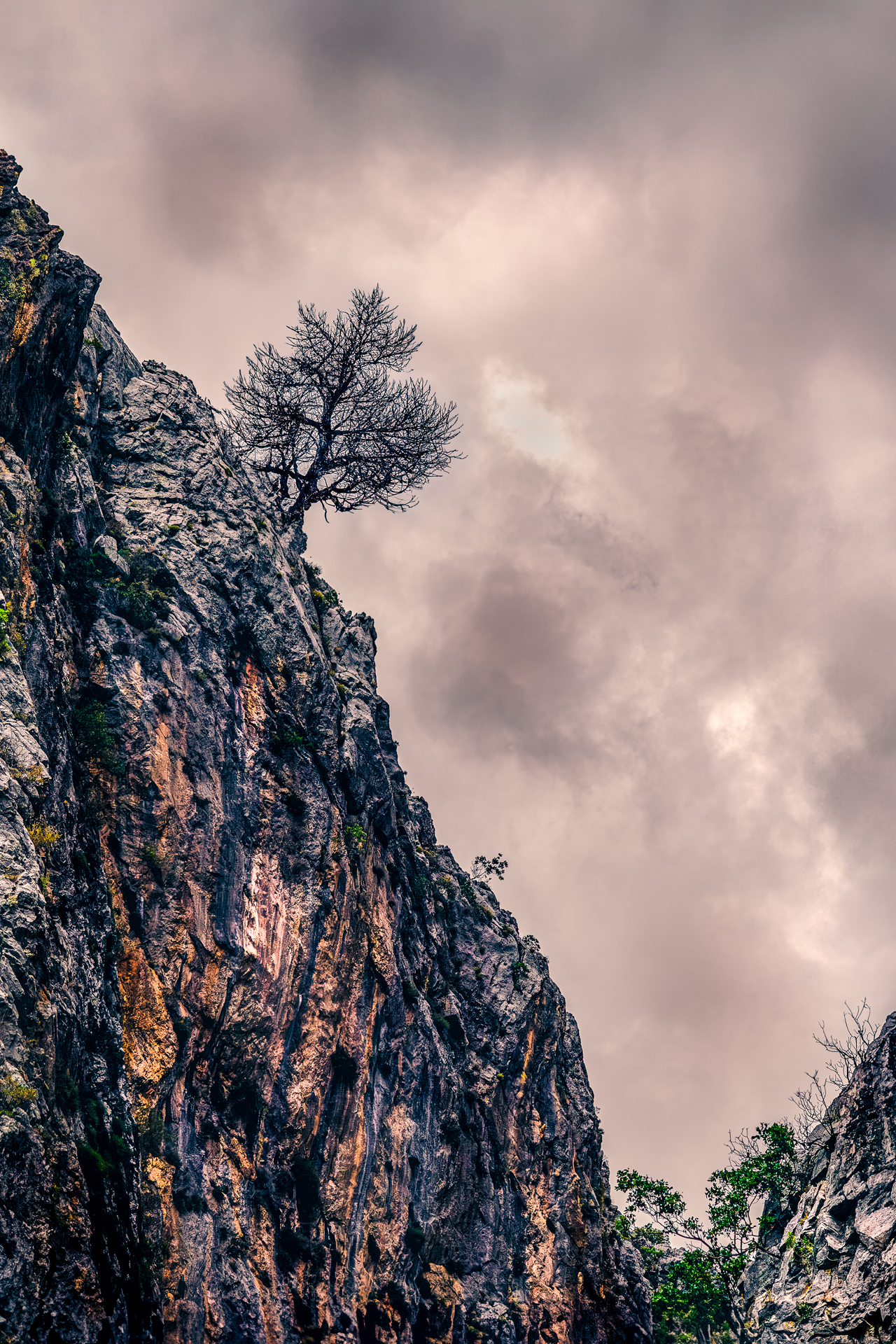
A lone tree clings to the edge of a rocky cliff, silhouetted against a stormy sky — a quiet symbol of resilience and survival in harsh terrain
Some images stay with you not because they’re beautiful, but because they feel symbolic. This one — a solitary tree clinging to a vertical rock face under a stormy sky — caught my eye not just for the view, but for what it suggested: resilience, solitude, and nature’s quiet defiance.
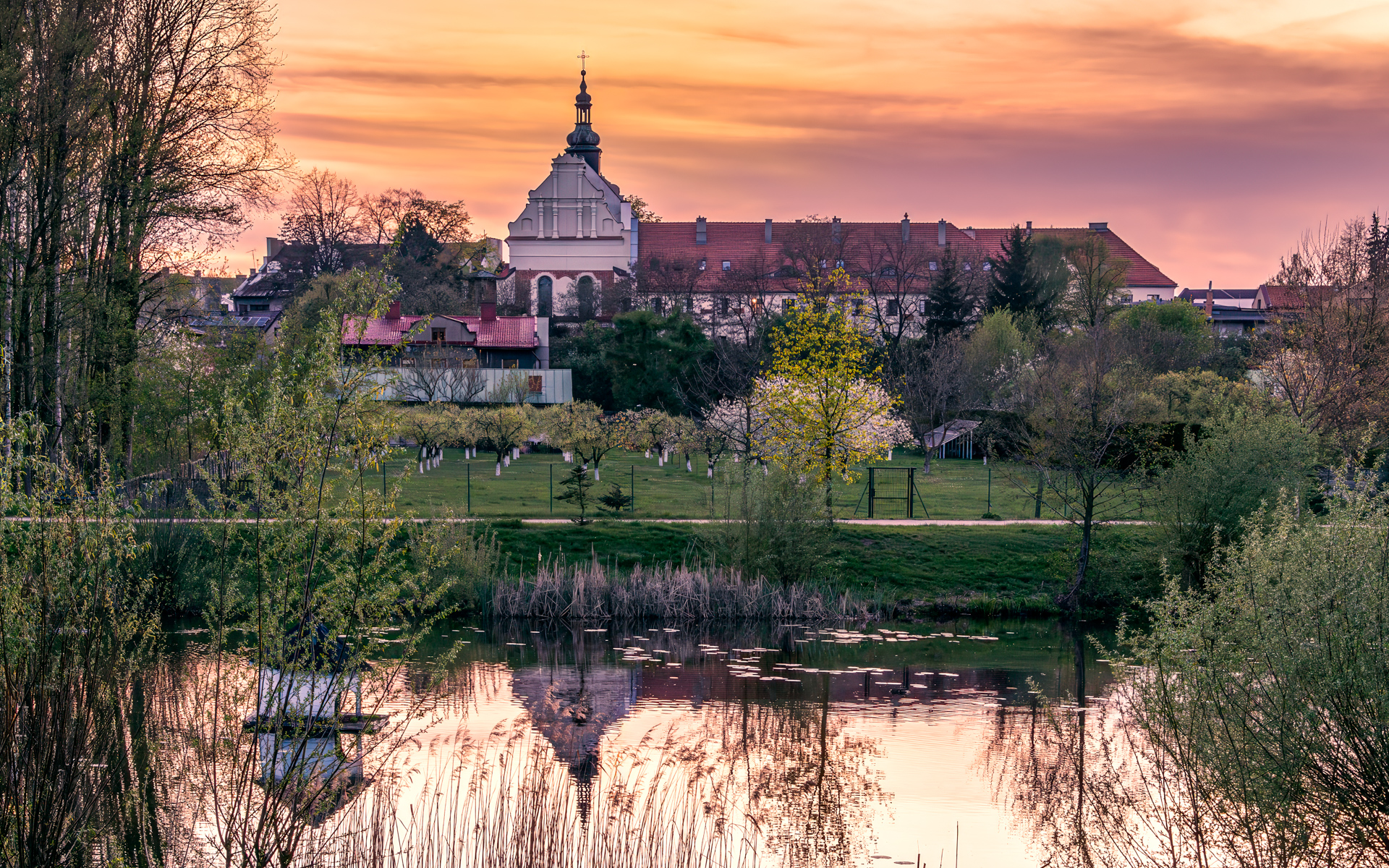
A calm spring evening in Sieradz — the 13th-century cloister reflected in still water, bathed in the warm colors of sunset
Some scenes are made to be photographed — not because they’re dramatic or exotic, but because they feel quietly complete. On a calm spring evening, I stood at the edge of a pond in Sieradz and watched the sky soften behind the old buildings. The reflection of the tower drifted gently on the water, framed by reeds and budding trees, and for a moment, everything slowed down.






 Shutter and Saddle