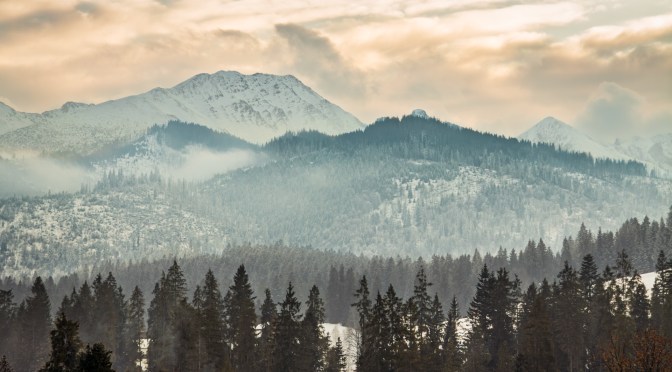
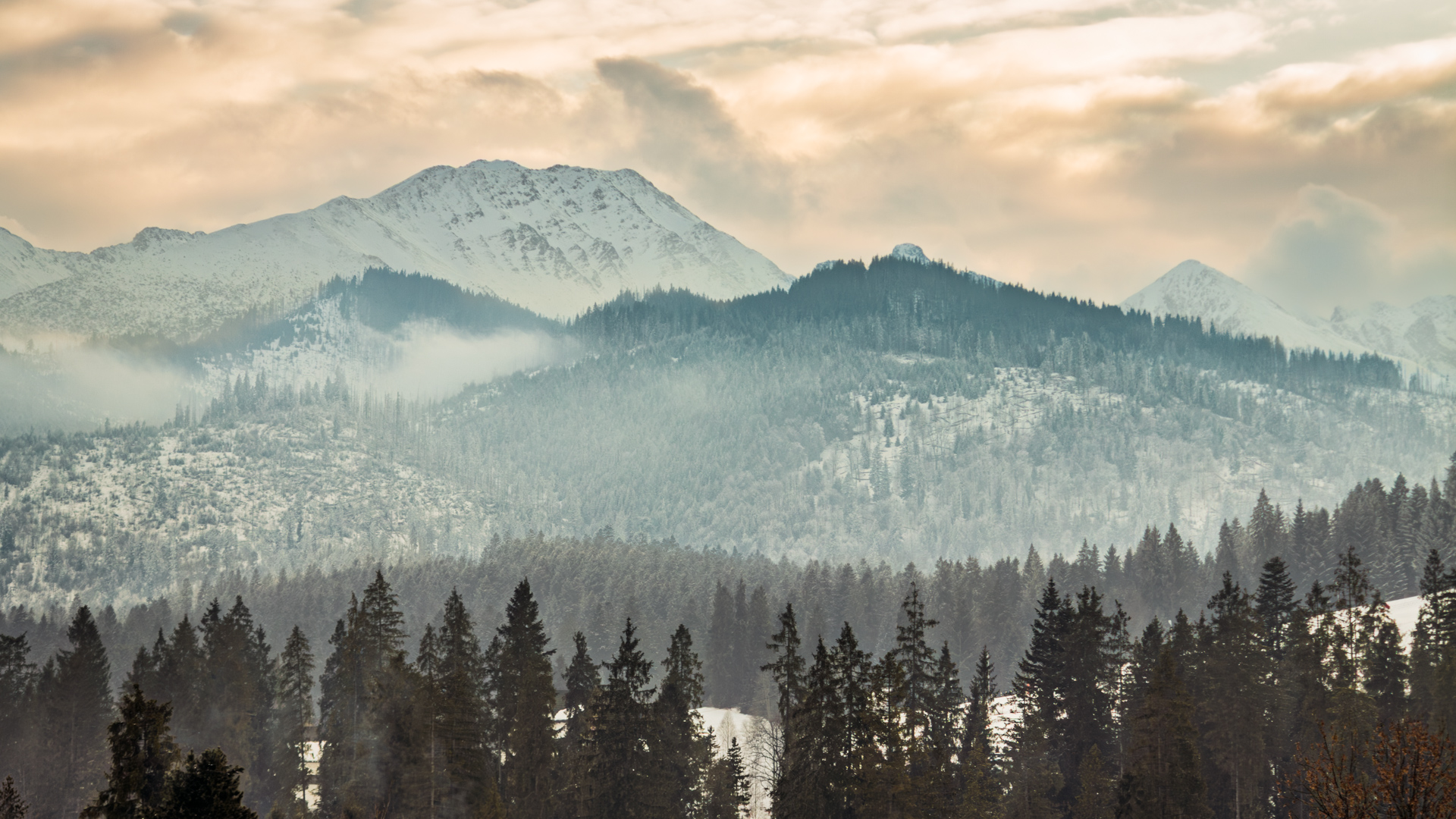
That moment when the highest peaks reveal themselves through winter fog — the Polish Tatras showing off their alpine soul
There’s a moment, just before mist swallows a mountain, when you feel very small. I felt that way standing beneath Poland’s highest peaks — the Tatras rising layer by layer into heavy winter clouds.
Wildflowers and a limestone ridge reflected in a turquoise pool — a scene reminiscent of Mediterranean summer landscapes
During a quiet summer ride, I came upon a small, turquoise pool reflecting wild shrubs and vibrant pink blossoms. Behind them, a flat-topped limestone ridge stood steady, like a giant’s table overlooking the valley.
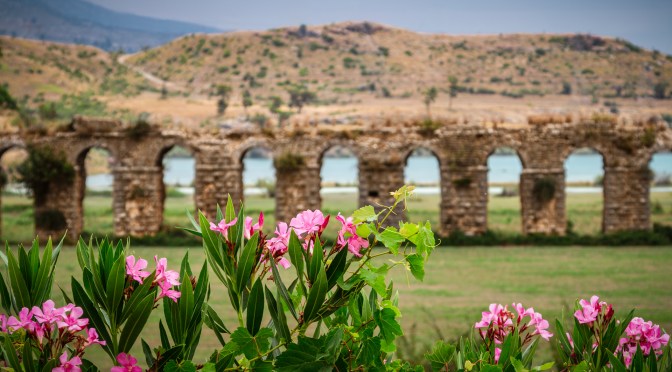
Vivid oleanders in the foreground, Roman arches in the distance — a natural frame linking past and present
There’s something timeless about ancient ruins that have stood for centuries — silent witnesses to civilizations long gone. On a recent trip, I came across an ancient Roman aqueduct, its majestic arches stretching across the hills as if still carrying water from distant mountains. In the foreground, bright pink oleander blossoms swayed gently in the breeze, offering a vivid contrast to the weathered stone. Together, they created a natural frame — the fleeting beauty of the present embracing the enduring architecture of the past.
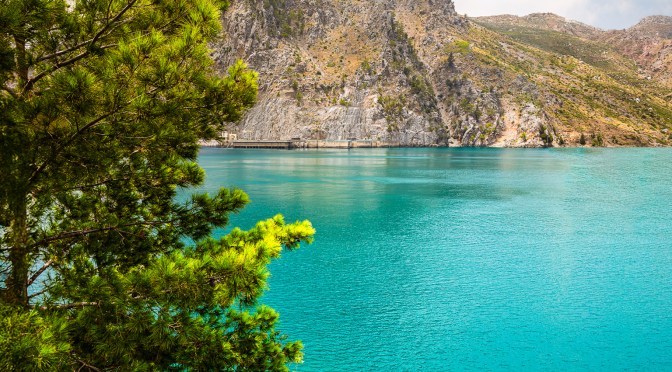
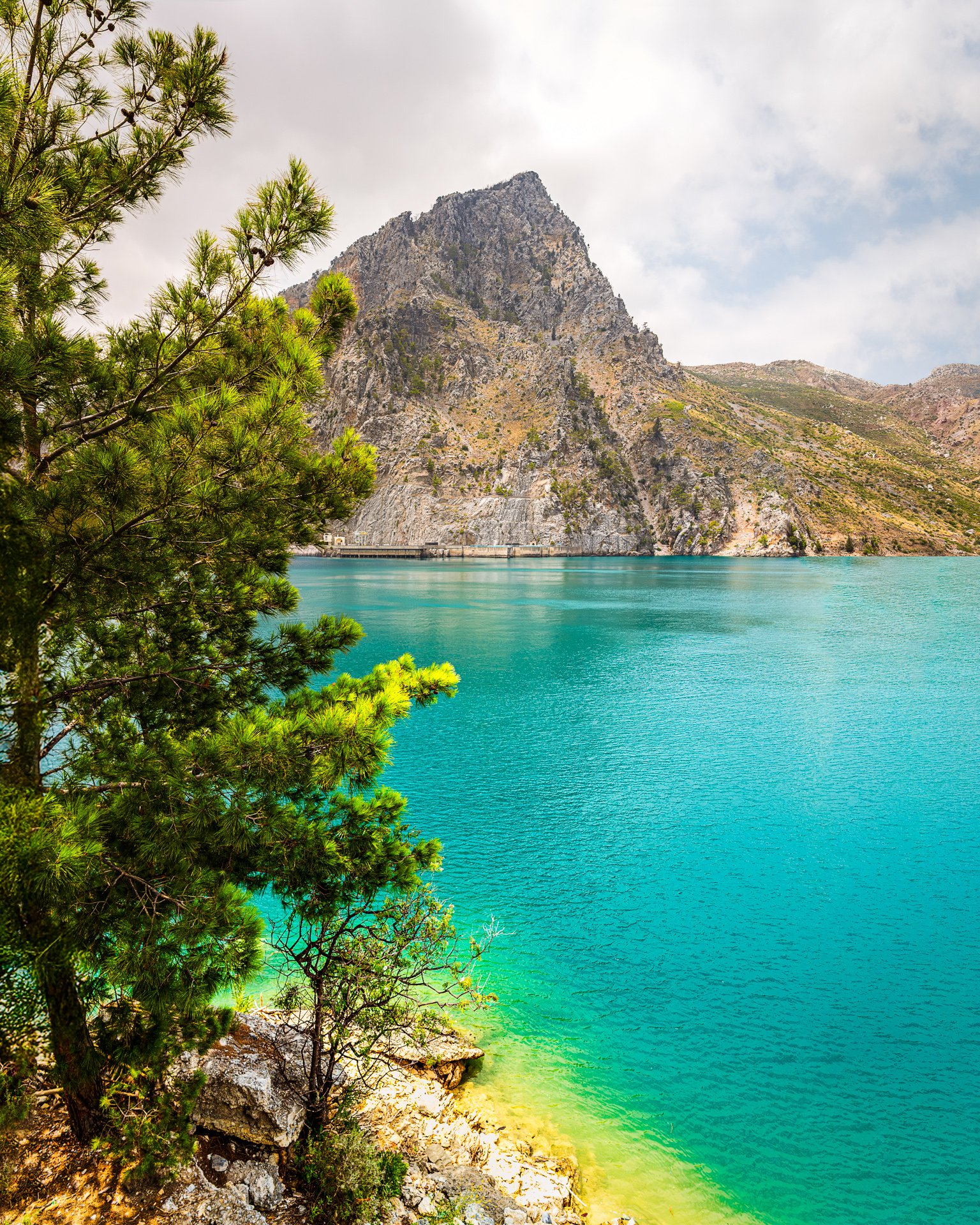
Turquoise waters framed by pine trees, leading toward a rugged mountain under a cloudy sky
It was a warm but comfortable day in the mountains — drifting clouds above, sunlight shimmering across a turquoise mountain lake below. From the pine-lined shore, the view unfolded in perfect harmony: emerald needles in the foreground, crystal-clear ripples glowing in shades of blue and green, and the rugged slopes of the mountain rising with quiet authority. Nature didn’t need grandeur to impress; the balance of colors and textures spoke for itself.
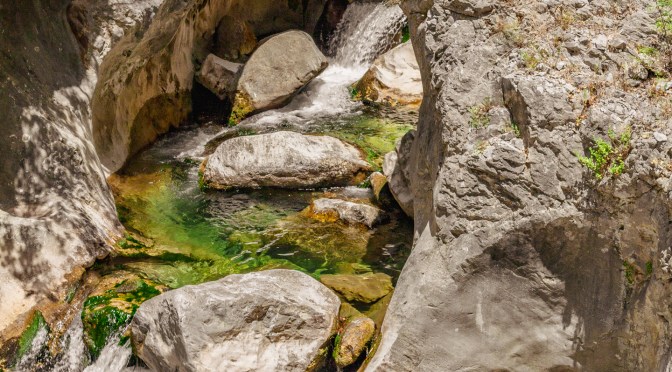
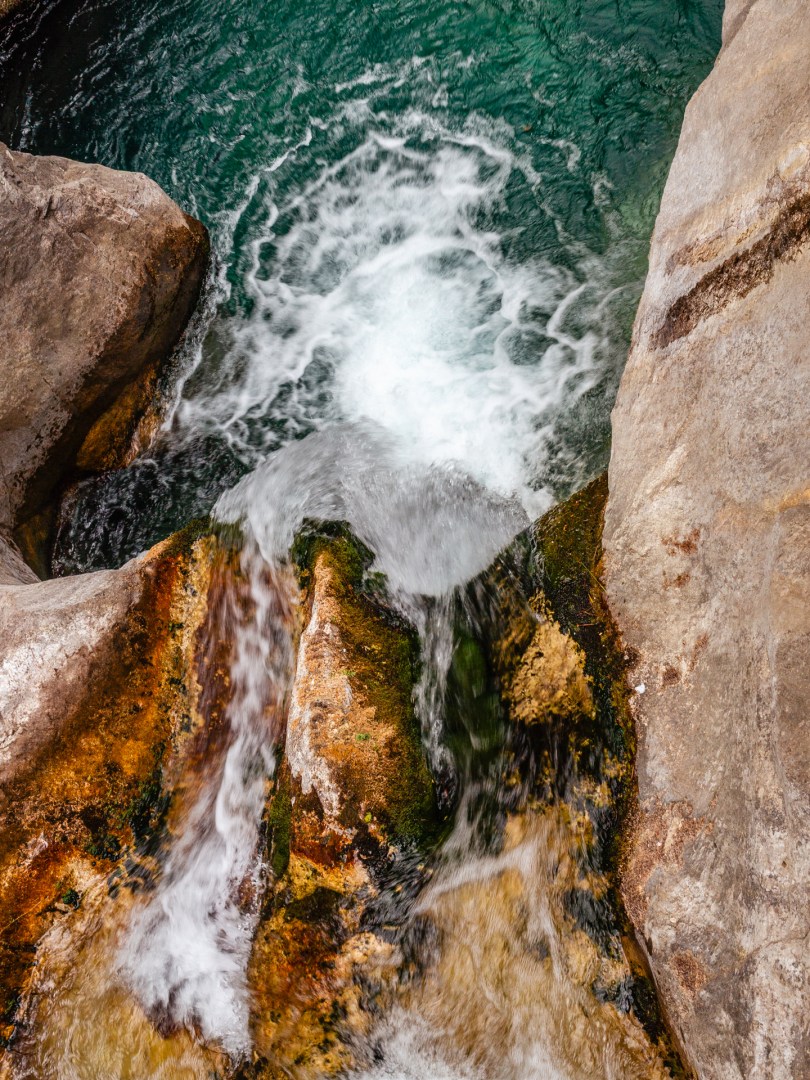
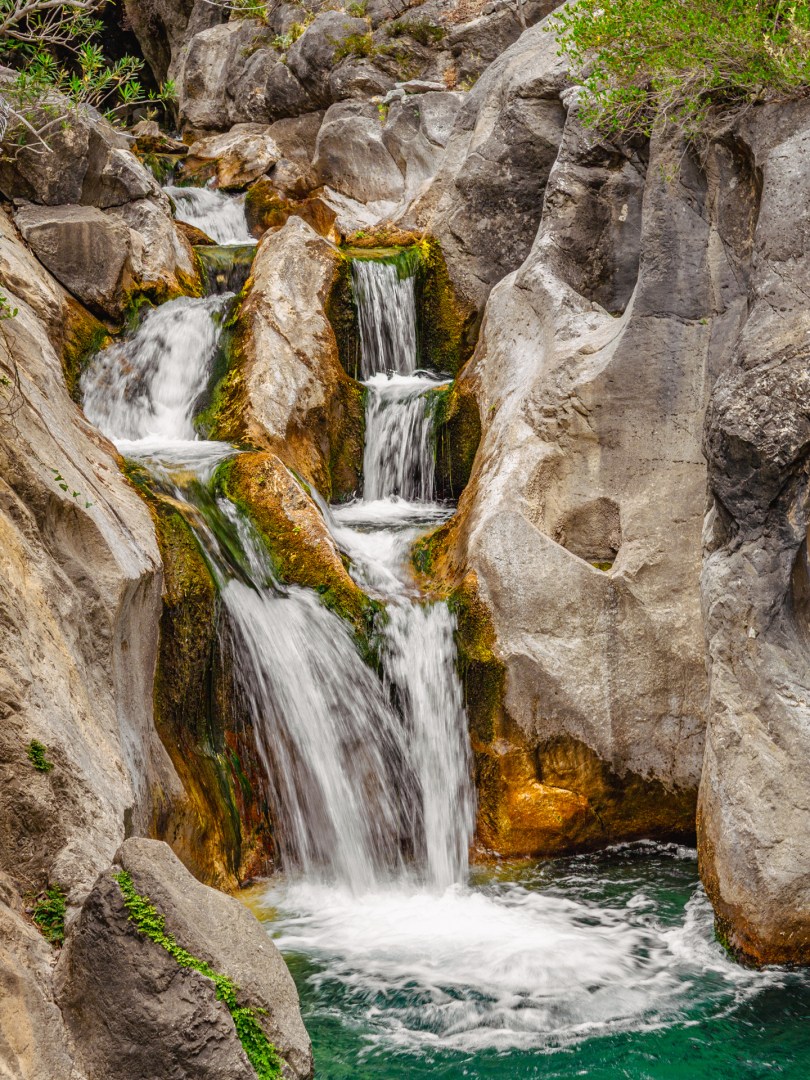
Tucked away in the shadowy folds of the Taurus Mountains, Sapadere Canyon is a hidden gem of southern Turkey — a narrow gorge carved over millennia by the relentless force of water. Located just a short, scenic drive from the seaside city of Alanya, it offers a dramatic escape into nature with its steep cliffs, cool shade, and a string of waterfalls and emerald-green pools.
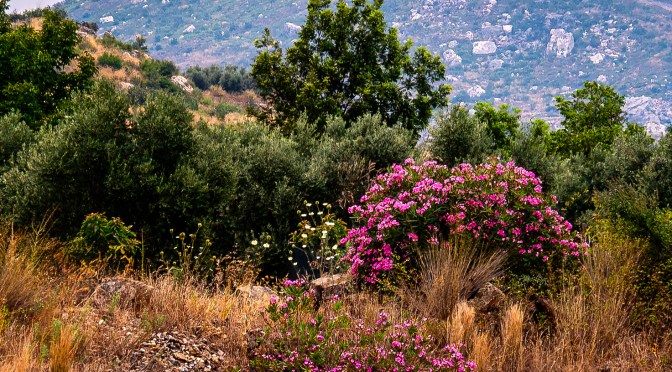
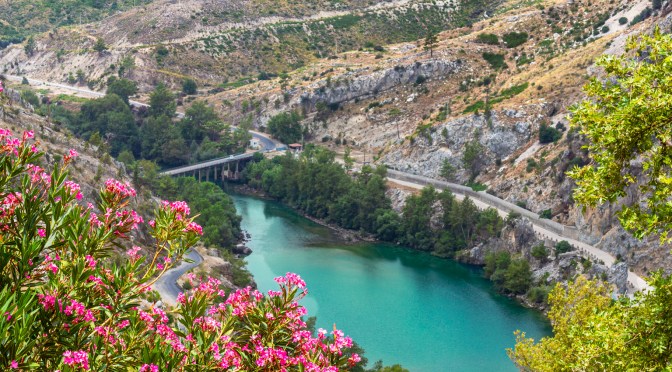
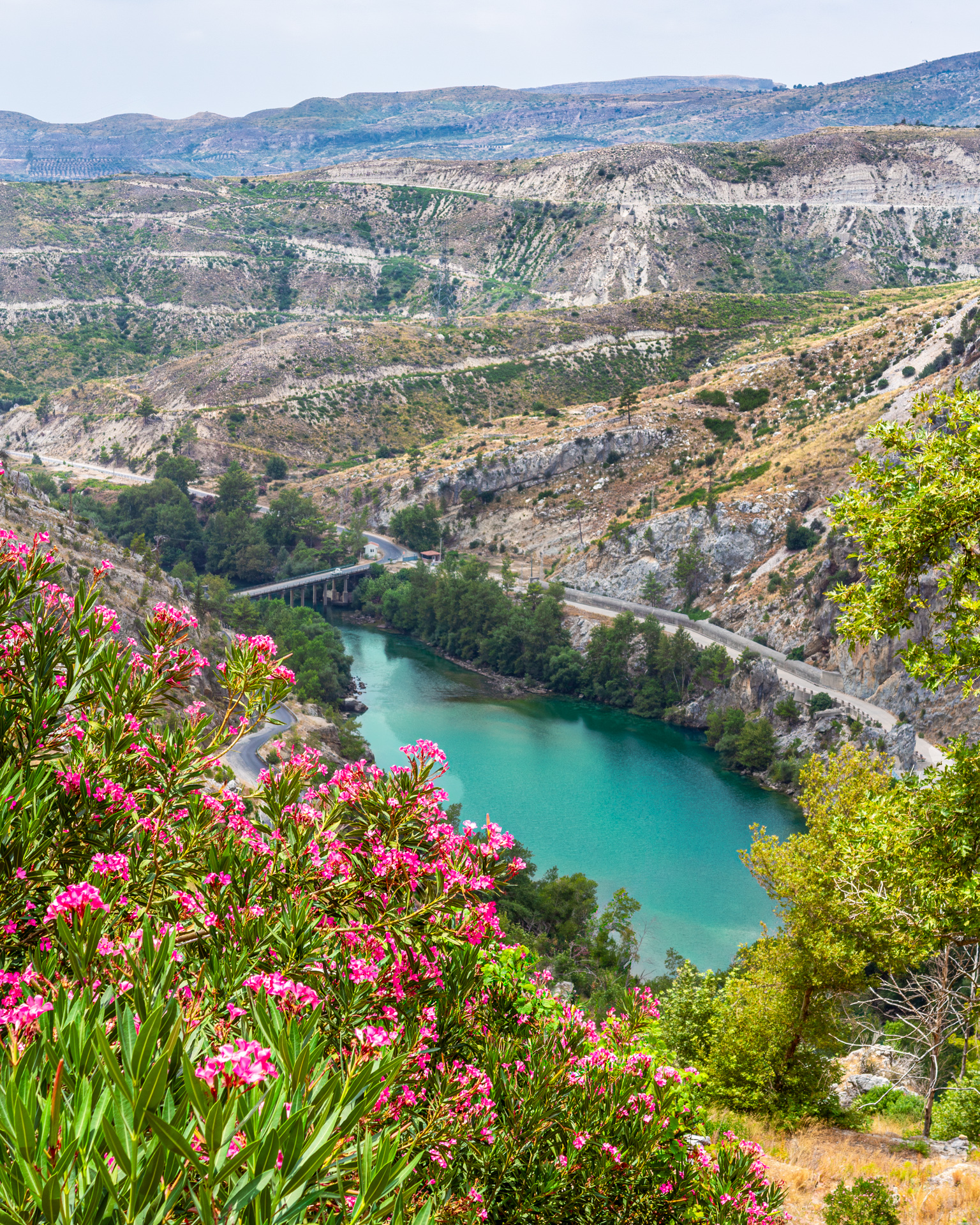
A turquoise ribbon cuts through parched hills as oleanders bloom by the roadside — a spontaneous moment of stillness and color
Some landscapes don’t shout — they hum. This one, nestled in the sunbaked folds of southern Europe, revealed itself not with grandeur but with quiet harmony: parched hills layering into the distance, a serpentine road, a turquoise river gliding below, and a burst of pink oleanders in the foreground.
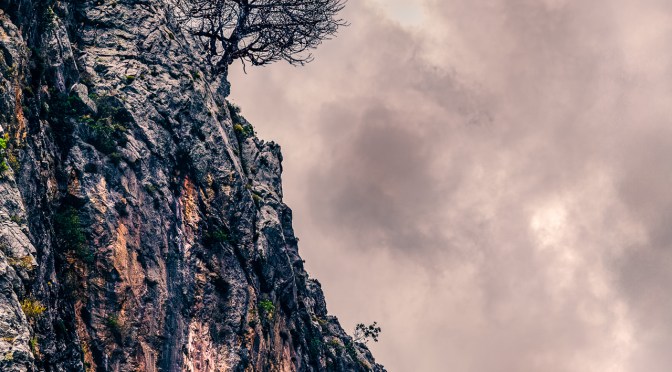
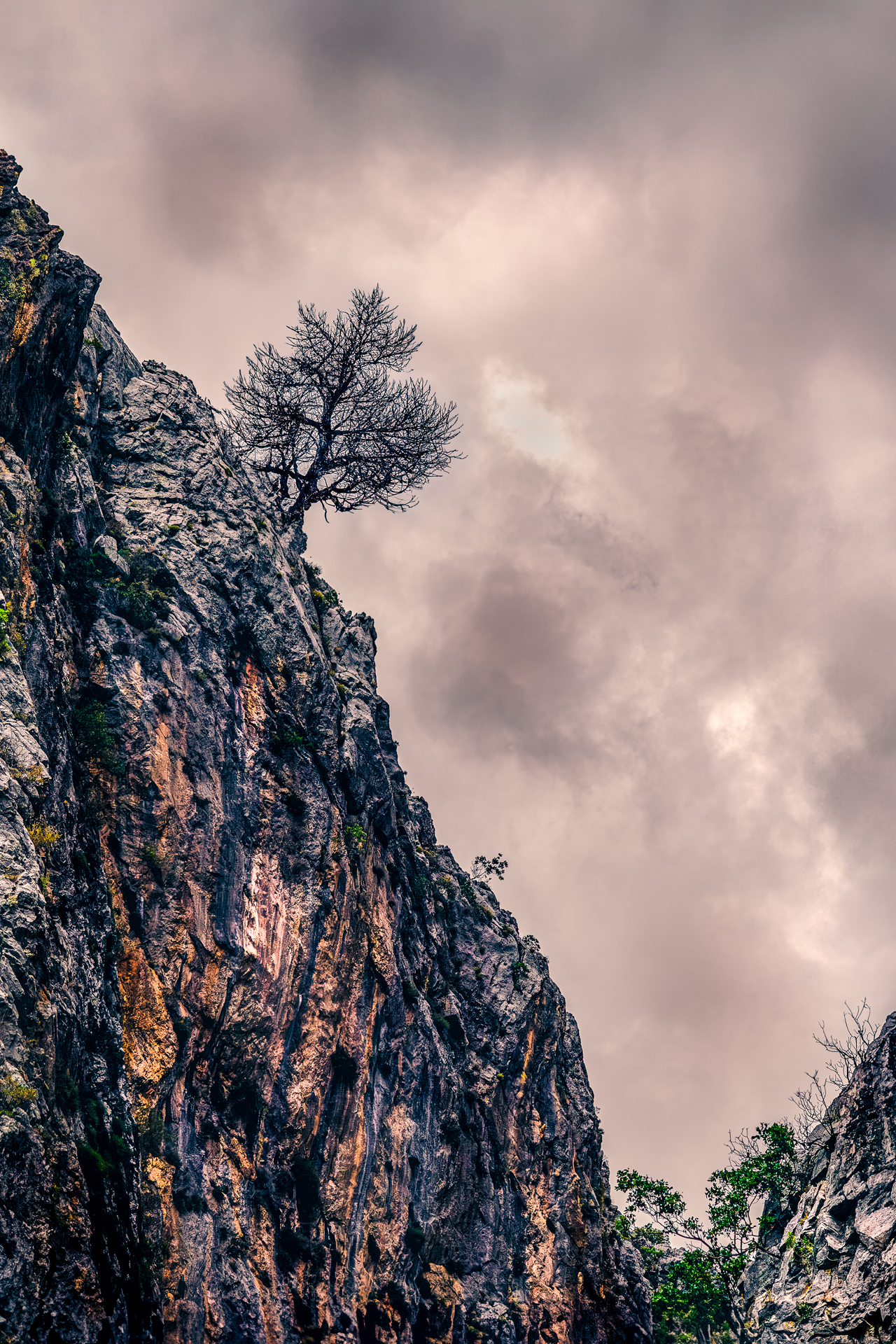
A lone tree clings to the edge of a rocky cliff, silhouetted against a stormy sky — a quiet symbol of resilience and survival in harsh terrain
Some images stay with you not because they’re beautiful, but because they feel symbolic. This one — a solitary tree clinging to a vertical rock face under a stormy sky — caught my eye not just for the view, but for what it suggested: resilience, solitude, and nature’s quiet defiance.
Spring unfolds in layers — a glowing rapeseed field beneath the forested hills of Lower Silesia, with fresh foliage and soft afternoon light completing the scene
Some landscapes invite wandering — others feel like a breath held between seasons. This view from Lower Silesia captures that quiet pause: the tender greens of early spring climbing a forested hill, golden rapeseed in full bloom below, and soft sunlight breaking through high, streaked clouds. It’s one of those moments where you stop, take it in — and instinctively reach for your camera.
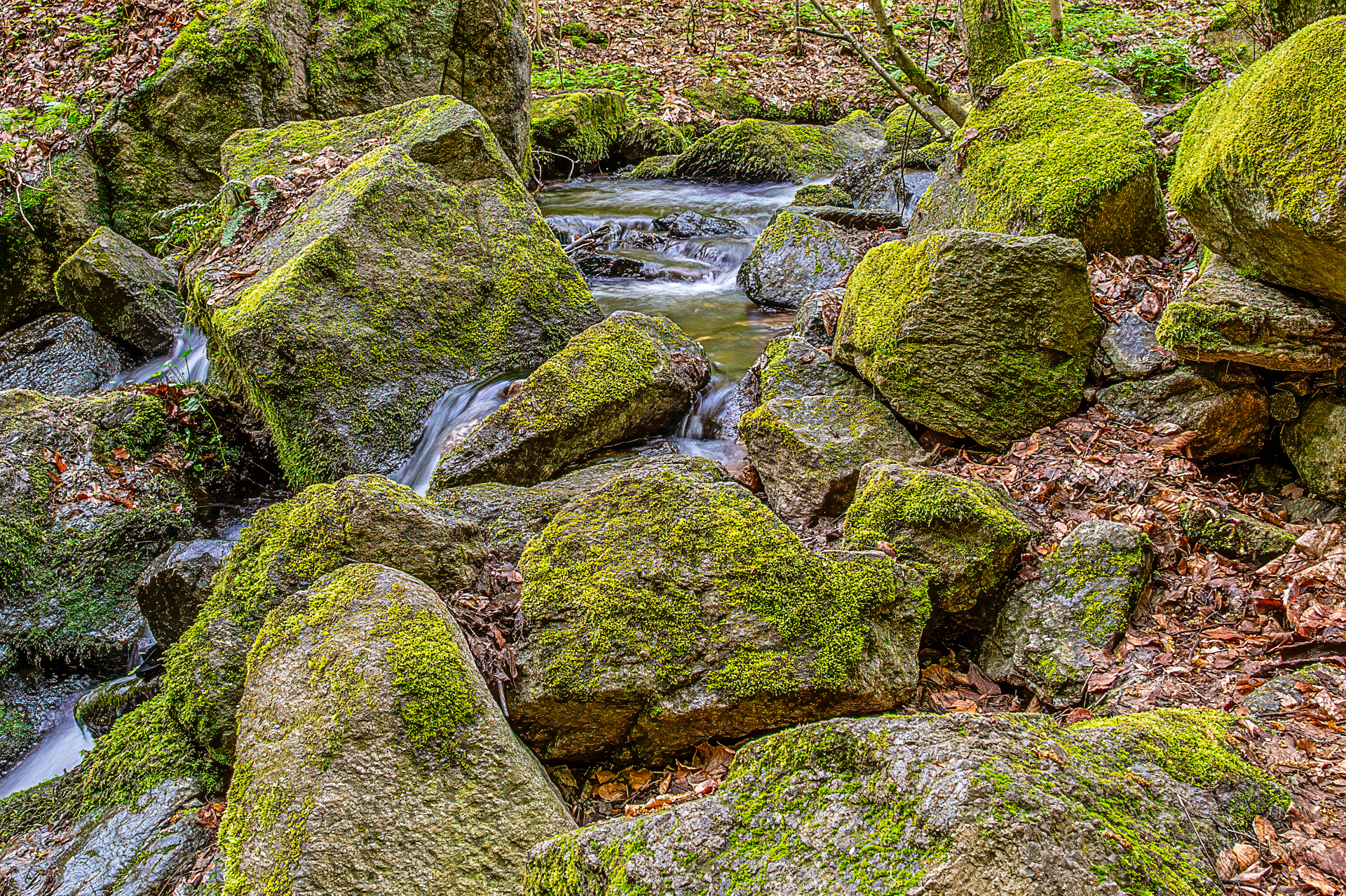
Still stones and soft streams — a mossy forest scene from Lower Silesia, where long exposure brings movement and texture into quiet balance
Some places in the forest don’t stand out at first glance. No dramatic cliffs, no golden skies — just quiet textures, cool light, and the sound of water slipping over stone. This photo comes from one such spot: a shallow stream tucked into a mossy hollow, where the rocks seem to have been resting for centuries and the water moves as if time doesn’t quite apply.
🌄 Photographed in the Land of Extinct Volcanoes, Lower Silesia, Poland
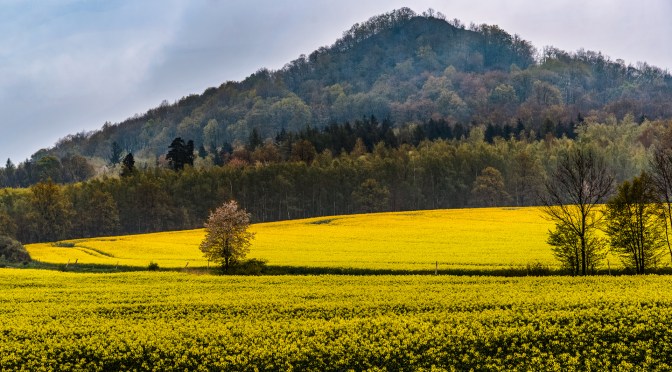
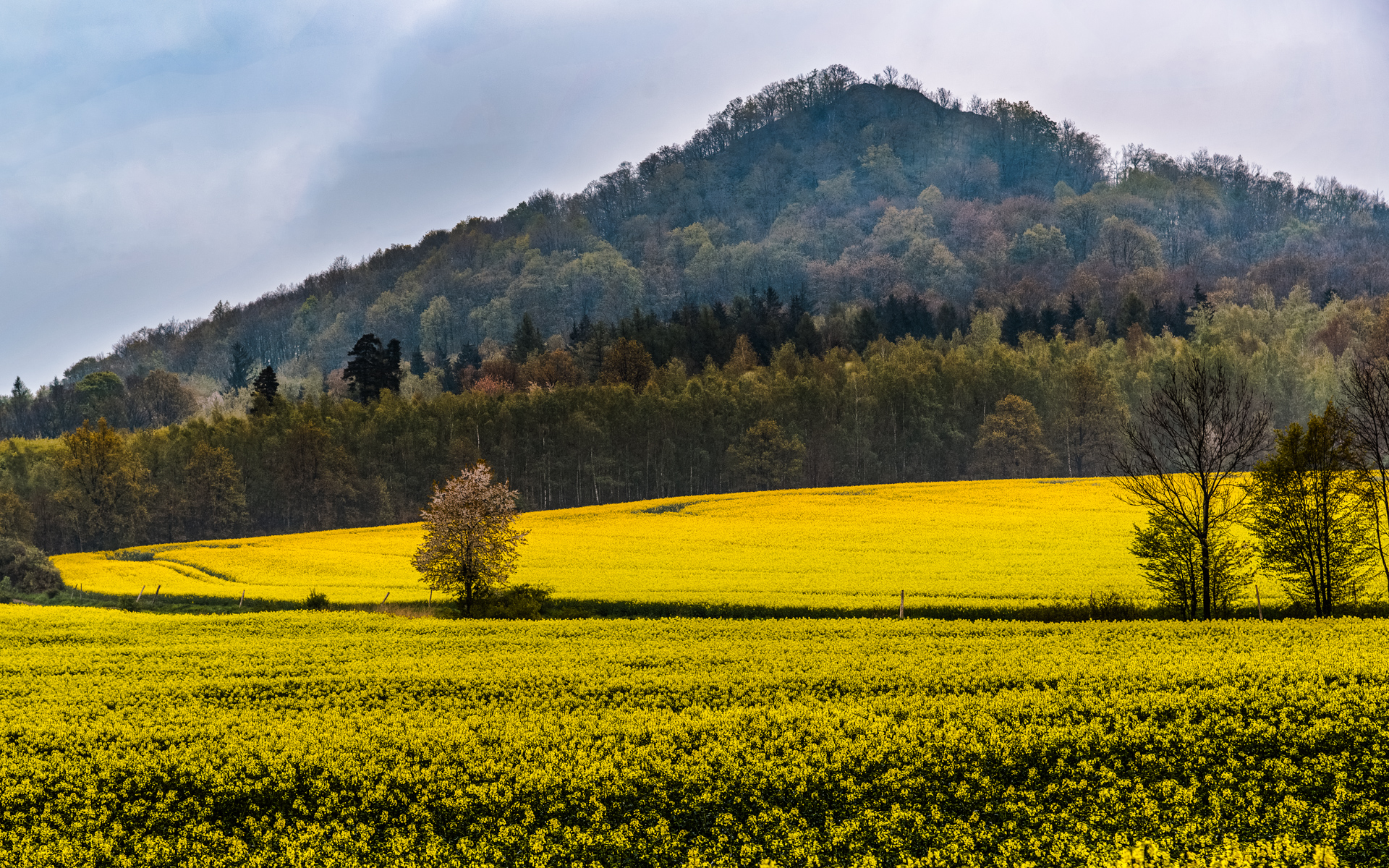
Spring in the Land of Extinct Volcanoes — yellow canola fields meet the iconic silhouette of Ostrzyca
Spring in Poland transforms the countryside into a vivid tapestry of colors — and few sights are more iconic than miles of blooming canola fields under soft skies. This photo captures one such moment, where golden rapeseed blossoms stretch toward the horizon, meeting the dramatic silhouette of Ostrzyca. Often nicknamed the “Polish Fuji” for its striking, conical shape, Ostrzyca towers above the landscape as a quiet witness to the region’s volcanic past.
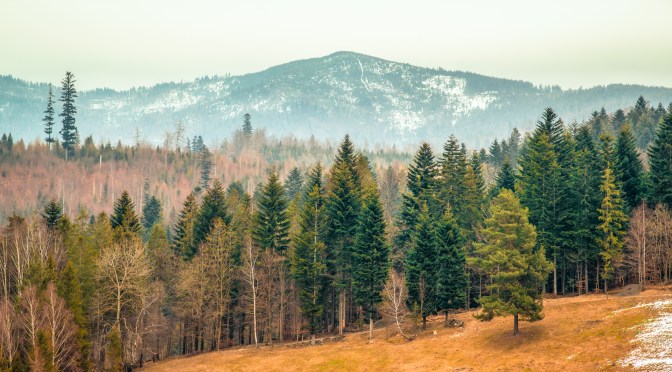
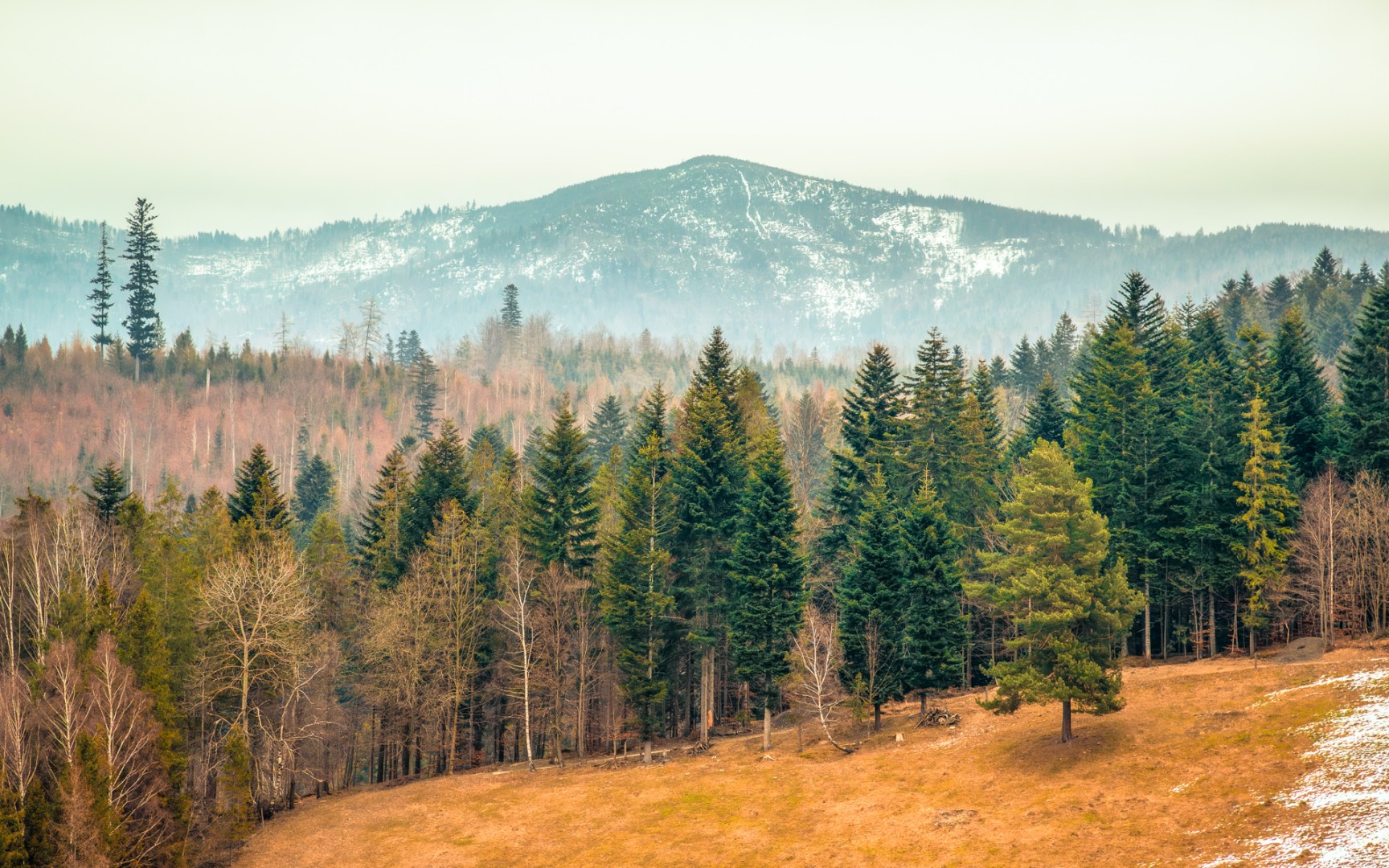
Between winter and spring—where the last snow meets the first signs of warmth.
As winter slowly fades, the mountains undergo a gradual transformation. Patches of snow linger on the slopes, while the trees at lower elevations regain their color. This image captures a landscape in transition—where evergreen forests meet bare deciduous trees, and warm earth tones contrast with the last remnants of winter.
Nestled in the valley, a quiet homestead surrounded by a living sea of color.
Ojcow National Park is a place that rewards patience and quiet curiosity. Tucked in the heart of southern Poland, this valley view from the trail above Pradnik River stops you in your tracks — not for drama or scale, but for color. This photo was never meant to chase a sweeping landscape; instead, it sought out nuance. The countless shades of green on display in early spring make Ojcow feel more like a living watercolor than a forest.







 Shutter and Saddle