Tailors and seamstresses showed off their skill — stitching by hand and treadle machine, just like a century ago
There’s something magical about rounding a bend on your bike and suddenly arriving in another era. All across Poland and Europe, small towns bring history to life through immersive festivals that recreate daily life at the turn of the 20th century. Cobblestone streets come alive with costumed artisans, the air fills with folk music, and for a few hours, time slows down.
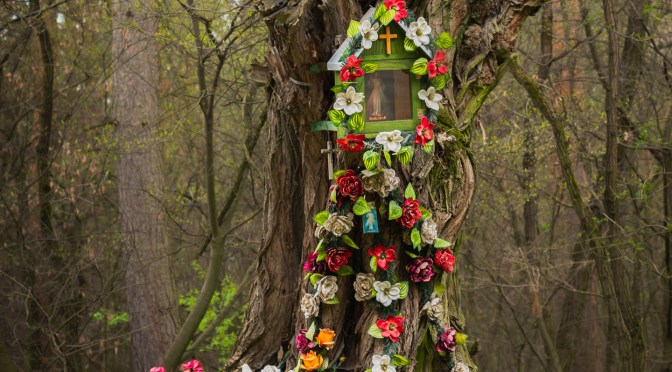
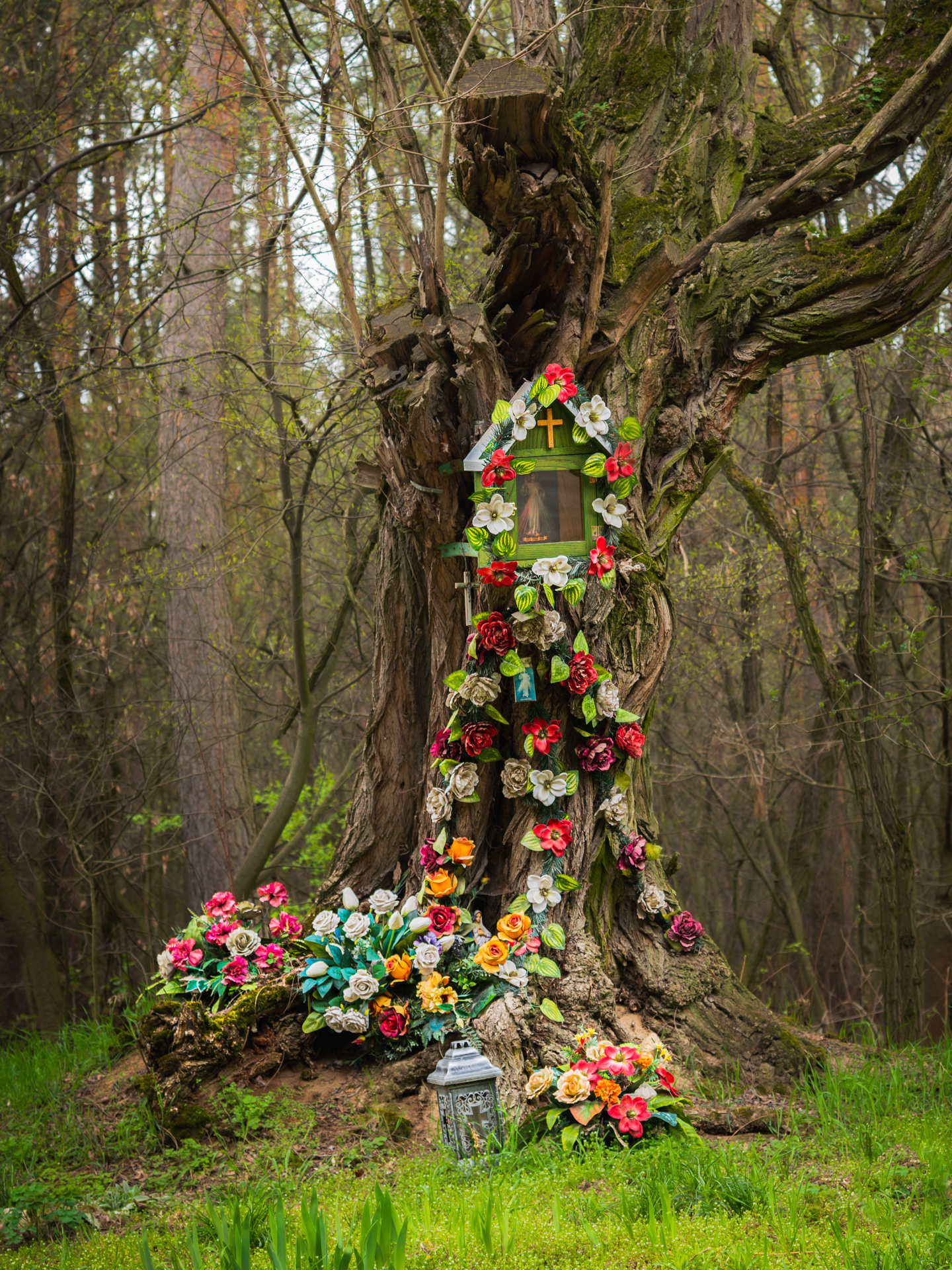
One of Poland’s countless roadside shrines — hidden in the woods, wrapped in flowers, and rooted in centuries-old tradition
Scattered across the Polish countryside — at crossroads, deep in forests, or standing quietly beside rural paths — you’ll find them: roadside shrines, known in Polish as kapliczki. These small sanctuaries take many shapes, from wooden boxes nailed to ancient trees to hand-built brick chapels and flower-draped niches carved into stone. What they share is more than appearance — they embody centuries of faith, memory, and connection to the land.
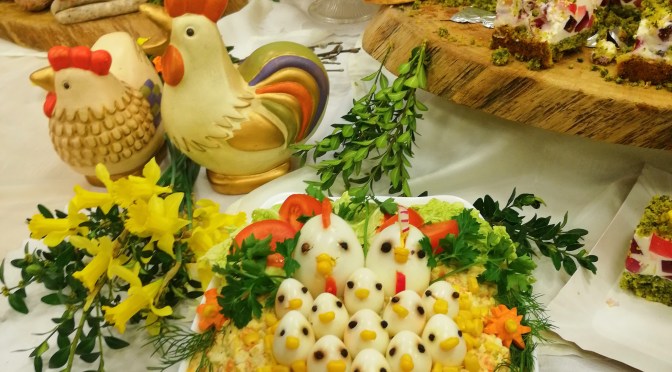
The Exhibition of Traditional Easter Tables — now in its 15th edition — was more than just a feast for the eyes. It was a warm, vibrant celebration of Polish Easter traditions, regional crafts, and traditional Polish cuisine. The event showcased stunning tables brimming with symbolic foods, handmade decorations, and a festive spirit rooted in centuries-old customs.
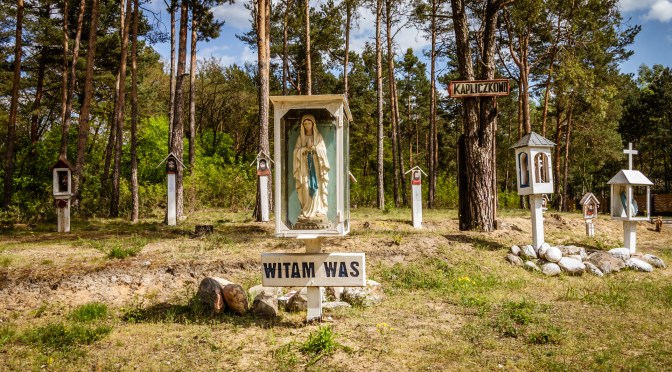
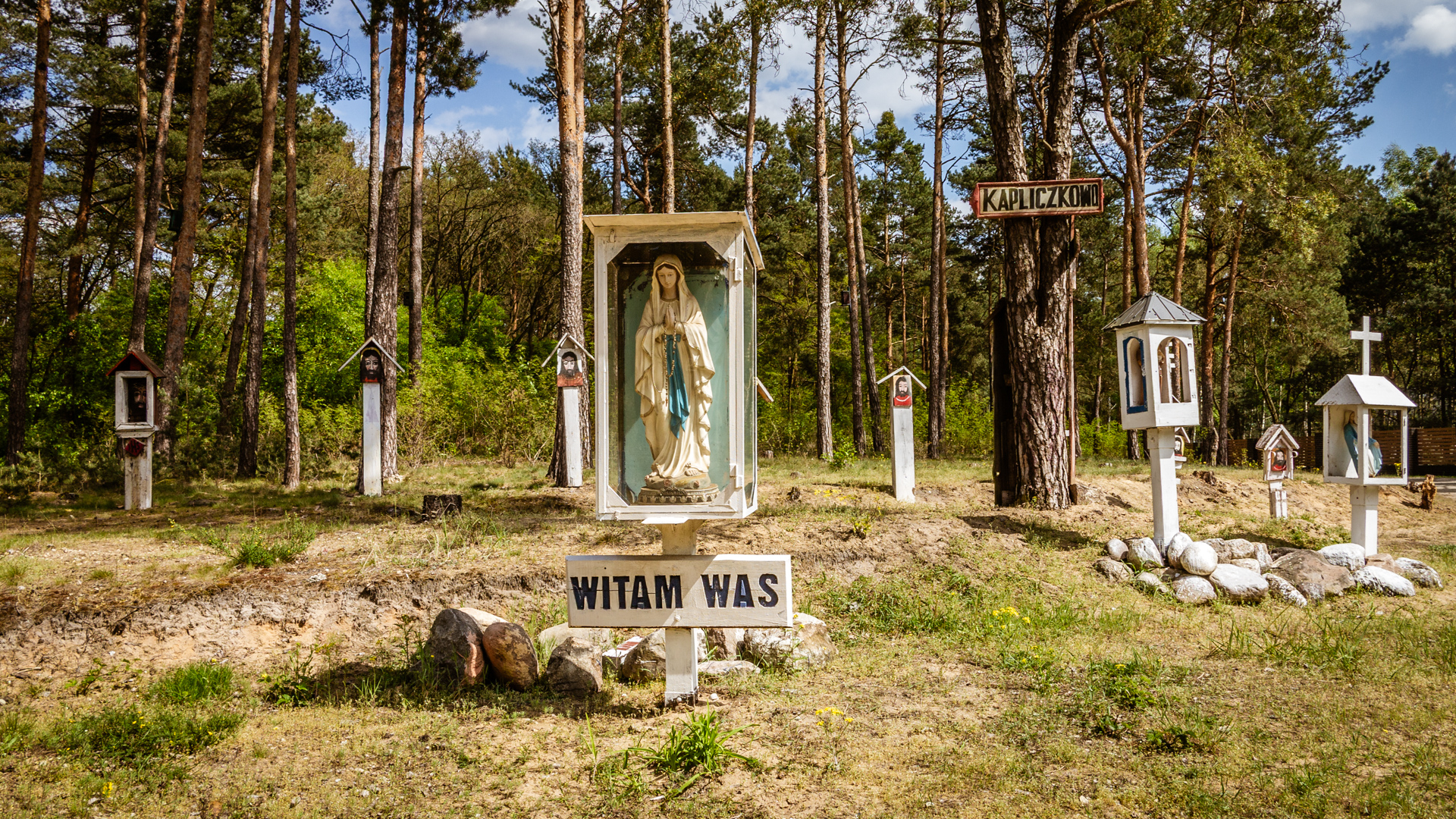
The entrance to Kapliczkowo is a hidden sanctuary in the woods. Handmade shrines and folk carvings create a unique atmosphere.
This open-air sanctuary of wooden shrines and sculptures lies nestled in a quiet forest near Szczercow. It is the life’s work of Bernard Zboinski, a retired colonel. He is also a passionate folk artist. Kapliczkowo has 365 handmade chapels. There is one for each day of the year. The site also features countless wooden sculptures. Kapliczkowo is an artistic and spiritual experience like no other.



 Shutter and Saddle