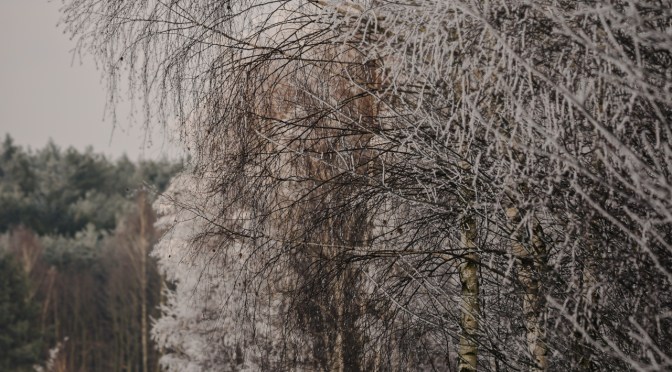
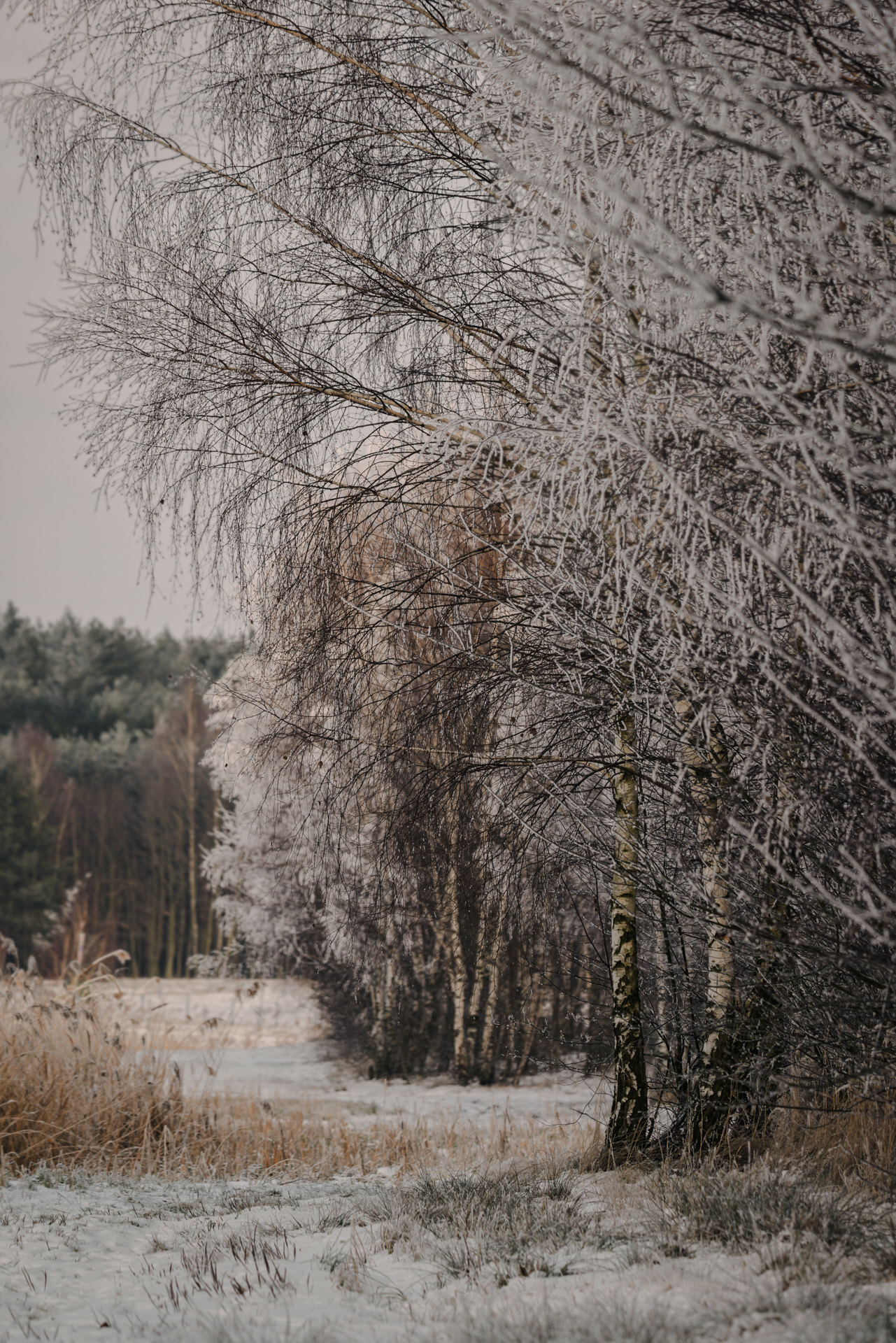
A quiet winter walk — frost, muted light, and snow kept neutral to preserve a calm, welcoming winter mood
Winter has its own rhythm. For me, it usually starts around mid‑November, when roads turn white not just from snow, but from salt — and riding outside slowly gives way to hours on the indoor trainer. Long walks replace long rides, and the camera becomes an excuse to step outside when the cold feels sharpest.
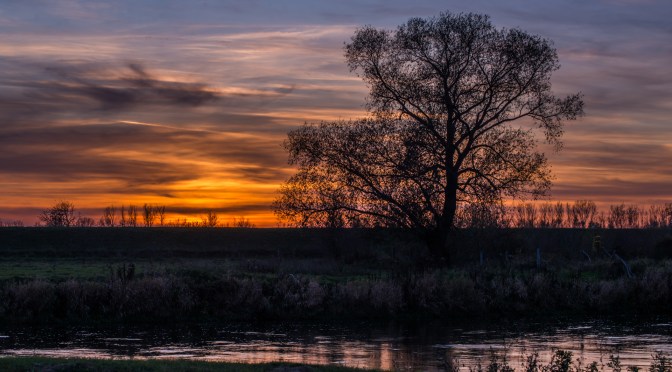
A quiet moment of late autumn — a tree mirrored in still water as the last light of the day fades
Late autumn photography has its own quiet charm — calm, muted, and fleeting. Many November days are wrapped in fog, the fields soaked by rain, and sunlight is rare. But every now and then, the clouds part for a few hours. That’s when I take my camera, get on the bike, and wander through the nearby fields, hoping to catch a glimpse of light before it disappears again.
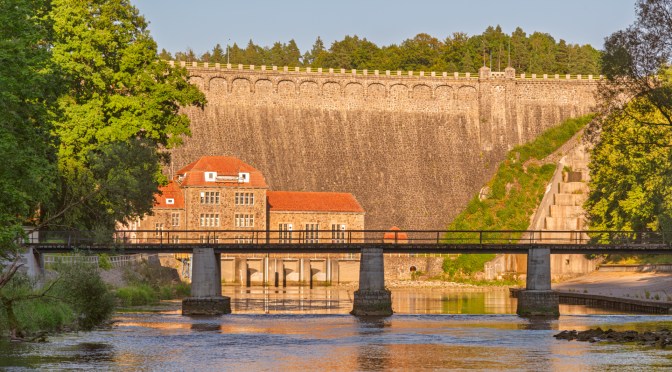
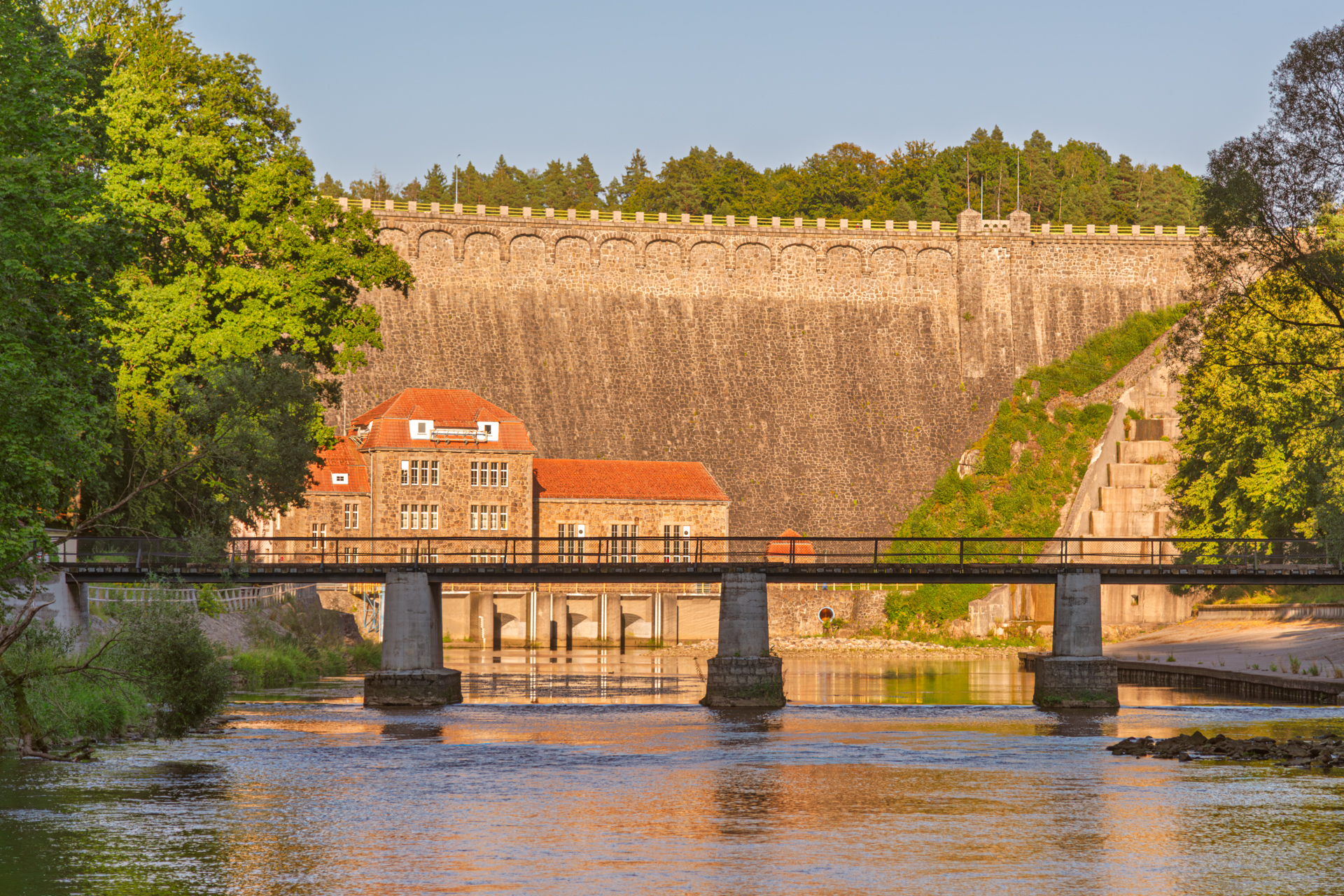
The 1912 dam on the Bóbr River in the Polish Land of Extinct Volcanoes — edited in Photoshop to reveal the soft interplay of light, stone, and reflection
Tucked away in the Polish Land of Extinct Volcanoes, the historic Bóbr River dam, built in 1912, is a fascinating subject for any photographer who enjoys working with structure, texture, and reflection. The composition of stone, water, and soft light seems simple at first glance but quickly reveals its complexity. Balancing the dam’s strong geometry with the delicate, shifting tones of the river requires patience and a careful eye. Scenes like this have always drawn me in — quiet places where light and shape speak for themselves.
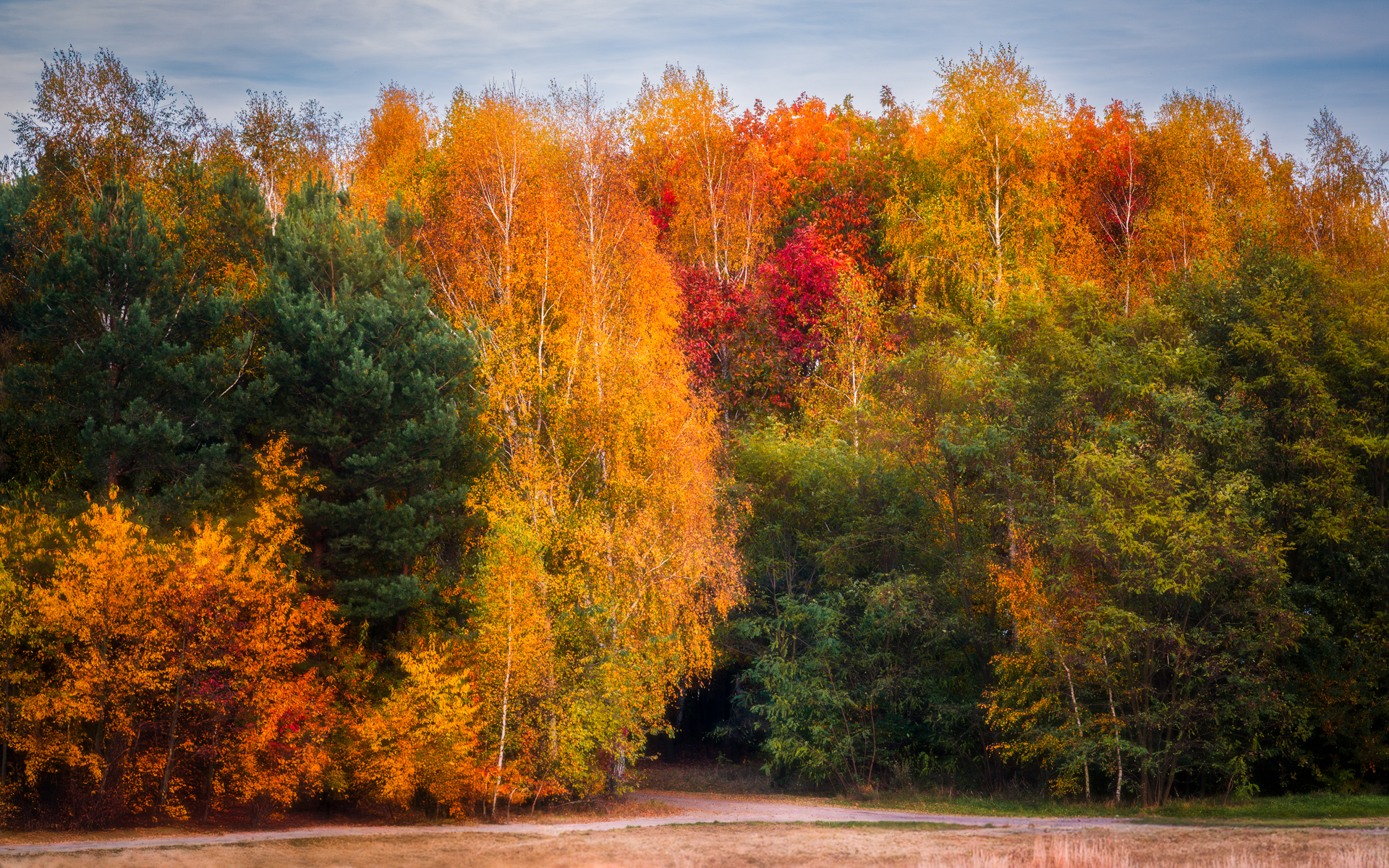
A mix of birch, pine, and maple trees glowing in the golden Polish autumn light — nature’s most vivid palette
The golden Polish autumn transforms familiar forests into glowing mosaics of yellow, orange, and deep red. The air turns crisp, the sunlight softens, and each path or clearing seems to shimmer with its own quiet warmth. It’s the kind of light that makes you stop — to watch, to breathe, to capture the fleeting beauty before it fades.
A vibrant shop window display of ceramics, fabrics, and ornaments — colors enhanced and softened with a dreamy glow
There are certain streets where you can’t help but stop — not because of the traffic or the crowds, but because a window calls you in. This shop was one of those places: packed from floor to ceiling with ceramics, fabrics, pillows, ornaments, and paintings, each one bursting with its own personality. The scene felt alive, but the photo straight from the camera looked flat and distracted by reflections on the glass.
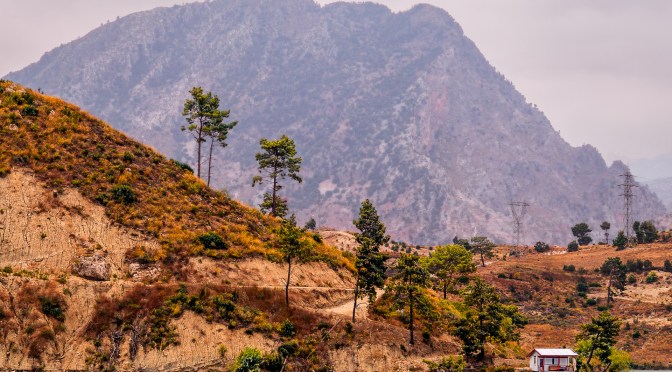
A small hut by a turquoise lake in Turkey, framed by orange hills and a towering mountain
This photo is part of a series I took during a boat ride on Turkey’s Green Lake — a trip where I quickly learned that shooting from a moving deck is less about carefully crafted composition and more about grabbing what you can before the boat turns. With no chance to wander around for the perfect angle, I fired off frames of the passing landscapes, half-hoping that at least one would hold enough potential to rescue later in post-processing.
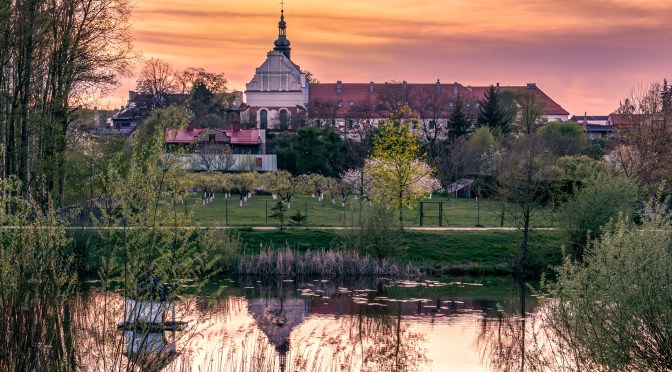
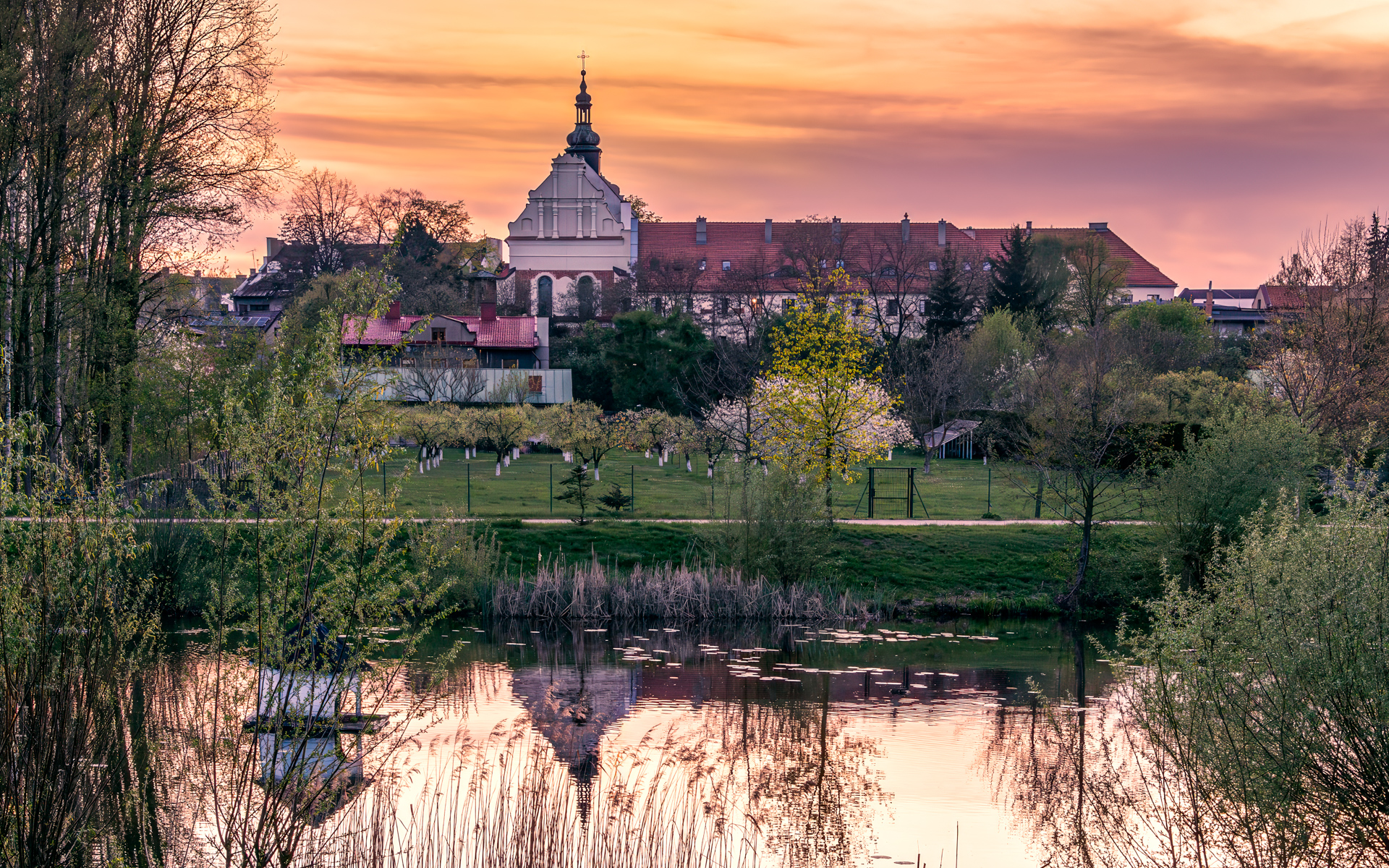
A calm spring evening in Sieradz — the 13th-century cloister reflected in still water, bathed in the warm colors of sunset
Some scenes are made to be photographed — not because they’re dramatic or exotic, but because they feel quietly complete. On a calm spring evening, I stood at the edge of a pond in Sieradz and watched the sky soften behind the old buildings. The reflection of the tower drifted gently on the water, framed by reeds and budding trees, and for a moment, everything slowed down.
A daring ultralight trike pilot glides through the clouds at the local air show
Small regional air shows offer something the big events can’t — intimacy. No jostling crowds, no distant specks in the sky — just the raw sound of engines up close, the chance to chat with pilots, and the freedom to experiment with your photography.
Flower photo before and after Lightroom editing – from flat to vibrant
Whether you’ve just captured a bloom bathed in golden hour light or snapped a bright tulip at noon, editing your flower photos can transform them from simple snapshots into radiant, share-worthy images. In this beginner-friendly guide, I’ll walk you through how I edit flower photos using Lightroom or Camera Raw and add a soft, dreamy Photoshop glow for those magical sunset shots.
If you’re shooting in RAW, Adobe Camera Raw(ACR) is where your editing journey should begin. It’s the best place to fix exposure, enhance color, and recover detail before moving back to Photoshop for more creative work.
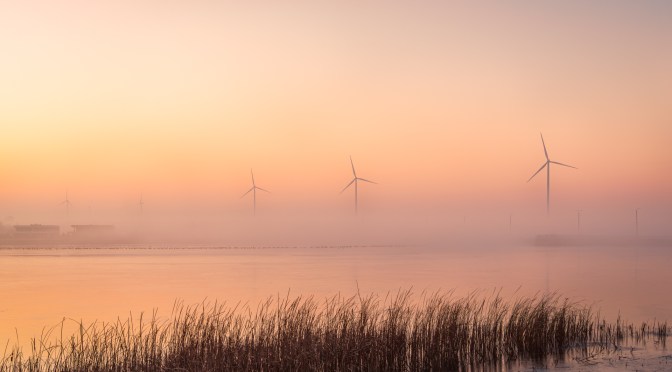
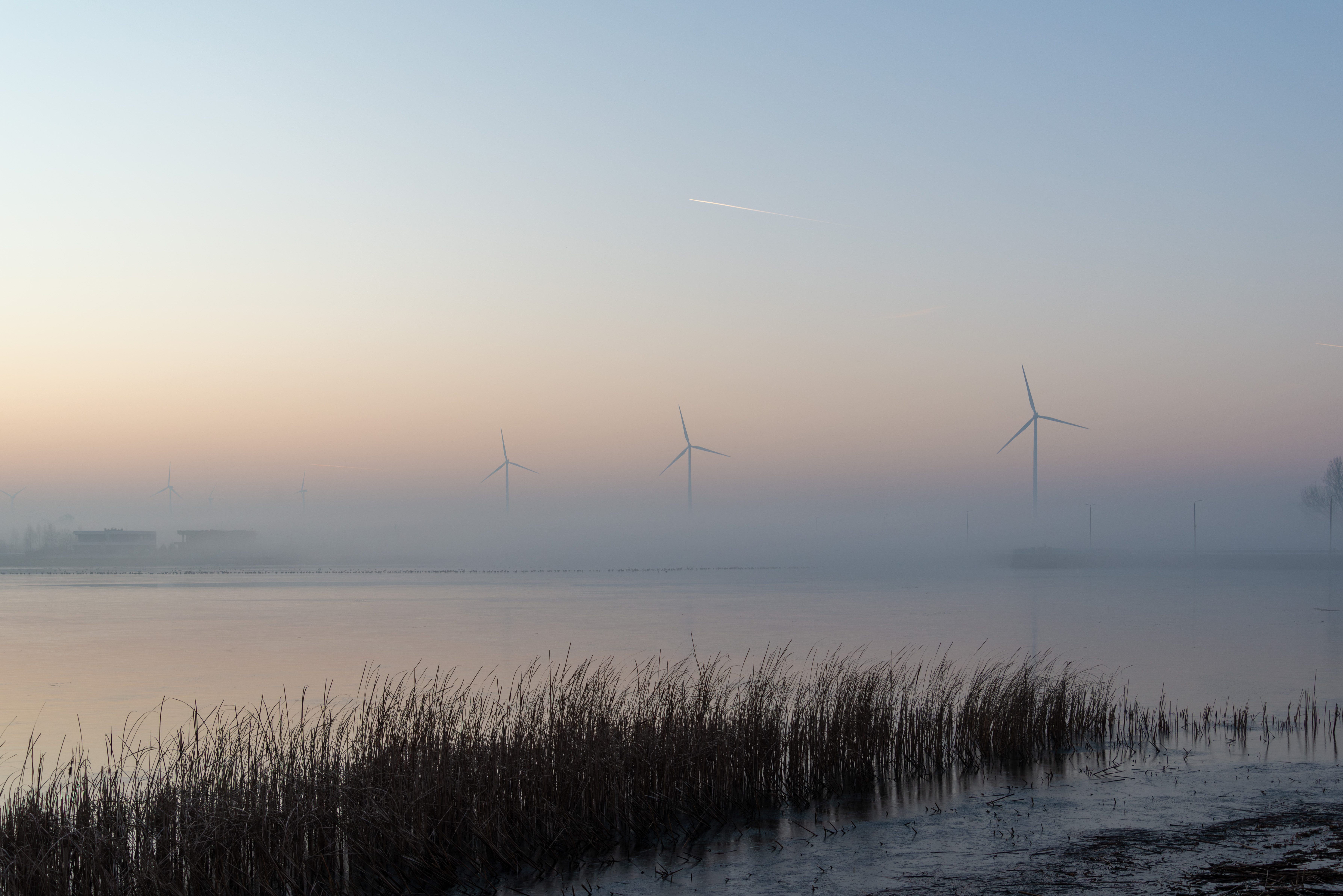
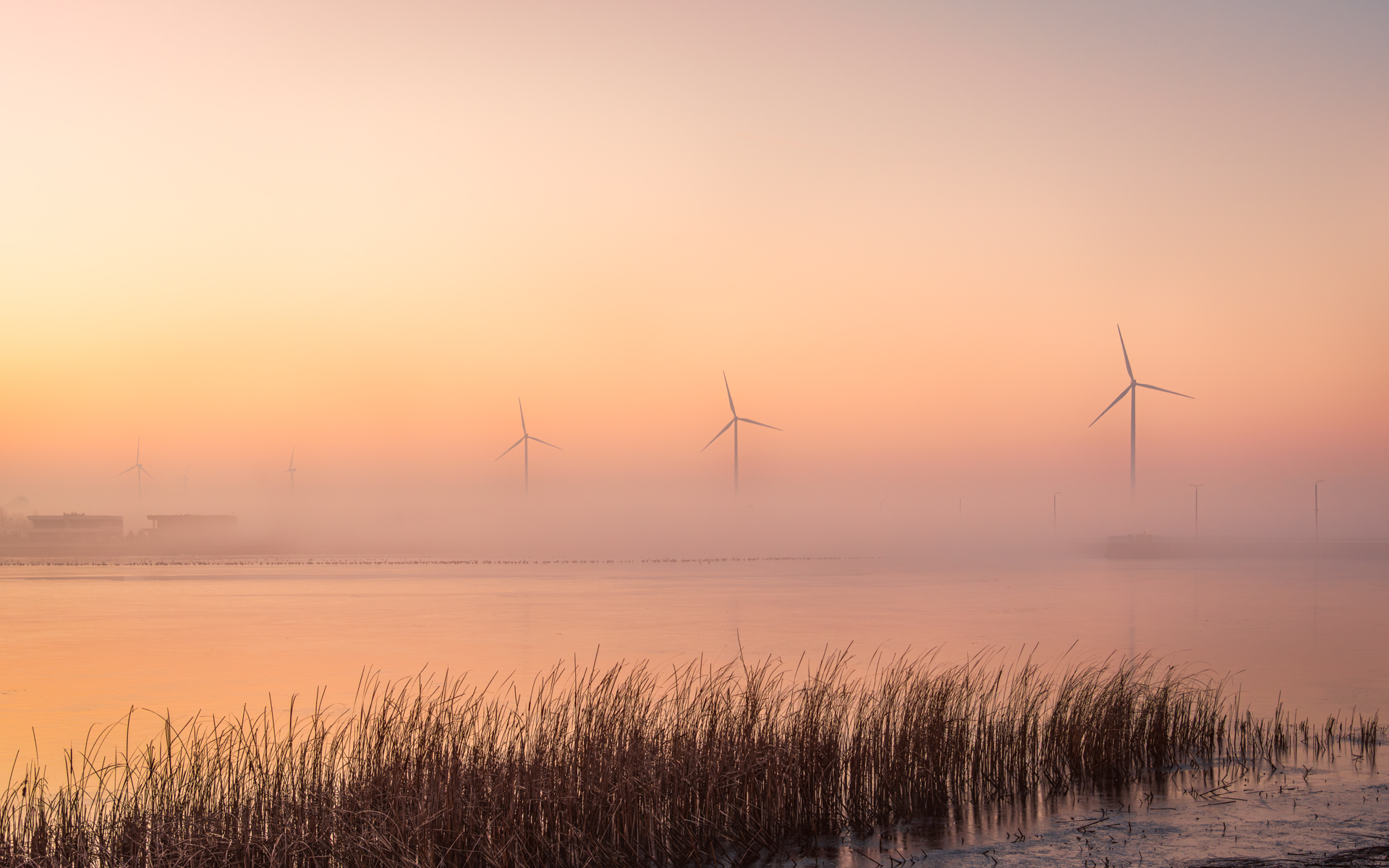
This shot had potential—soft fog, dramatic turbines, and a fading sunset—but it needed careful editing to balance the mood. Here’s how I teased out the magic without losing the atmosphere.
A streamlined import and editing workflow keeps your photos organized and your edits non-destructive. Here’s my step-by-step process for bringing images into Lightroom and prepping them for Photoshop—perfect for single shots or large batches.










 Shutter and Saddle