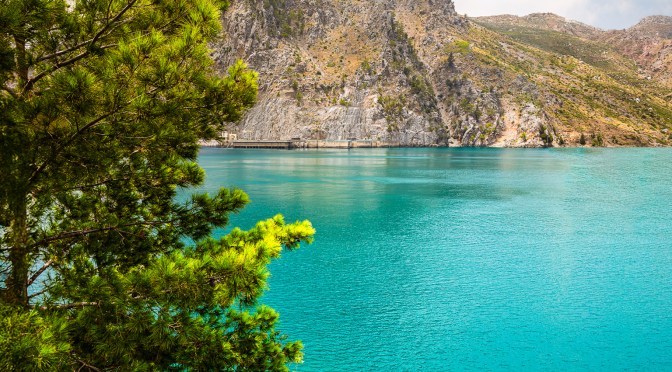
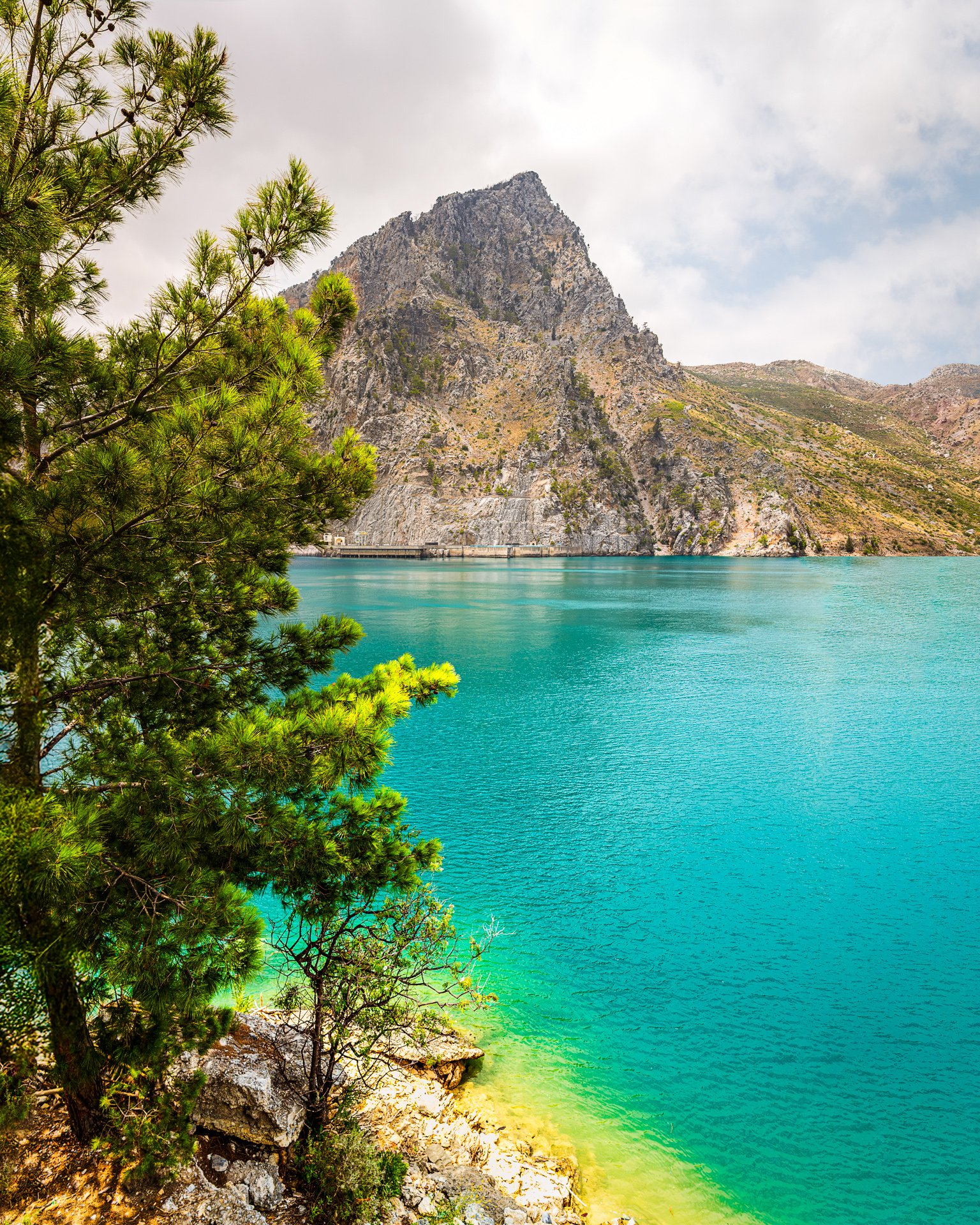
Turquoise waters framed by pine trees, leading toward a rugged mountain under a cloudy sky
It was a warm but comfortable day in the mountains — drifting clouds above, sunlight shimmering across a turquoise mountain lake below. From the pine-lined shore, the view unfolded in perfect harmony: emerald needles in the foreground, crystal-clear ripples glowing in shades of blue and green, and the rugged slopes of the mountain rising with quiet authority. Nature didn’t need grandeur to impress; the balance of colors and textures spoke for itself.
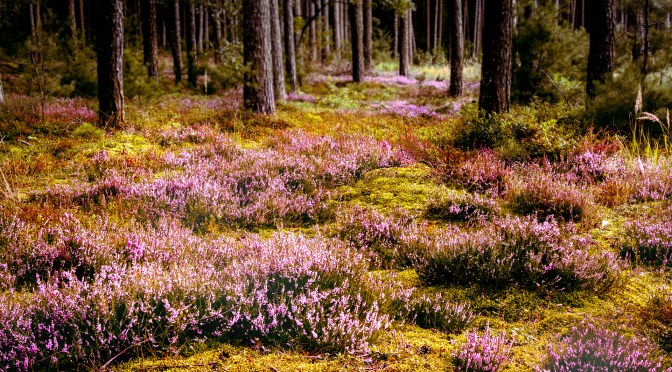
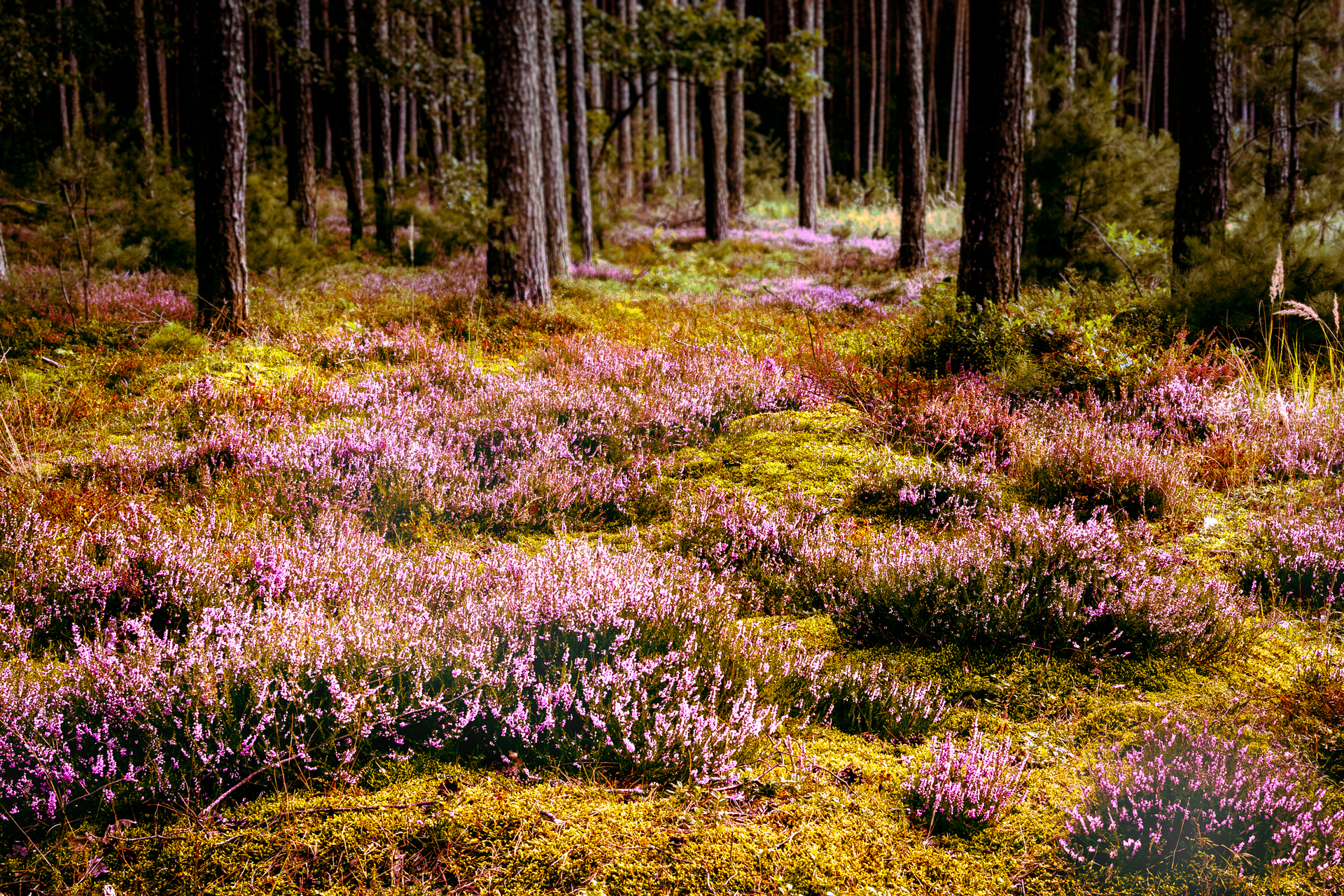
Late-summer heather fields stretching beneath tall pines in a Polish forest — a fleeting burst of color before autumn
Late summer in Poland is gently yielding to autumn — days grow shorter, mornings grow crisper, and the light takes on a warm golden softness, as if each scene is offering a quiet farewell. But before the leaves turn and the first mists descend, Polish forests burst into one last spectacular display. Vast heather fields, painted in shades of violet and rose, carpet the forest floor beneath tall, straight pines, stretching toward the horizon under the late-summer sun. In this brief but magical moment, the woods transform from a world of deep green shadows into a vibrant tapestry of color glowing with warmth and life.
Golden hour reflections and calm waves at a Turkish beach — the pier, the clouds, and the soft light turned this into a perfect summer evening
There’s a special kind of stillness that falls over a beach just before the sun disappears below the horizon. This sunset beach photo was taken on such an evening — warm air, soft waves, and golden light gradually fading into night. I hadn’t expected such a dramatic sky, but as clouds scattered and sunrays broke through, the atmosphere turned quietly cinematic.
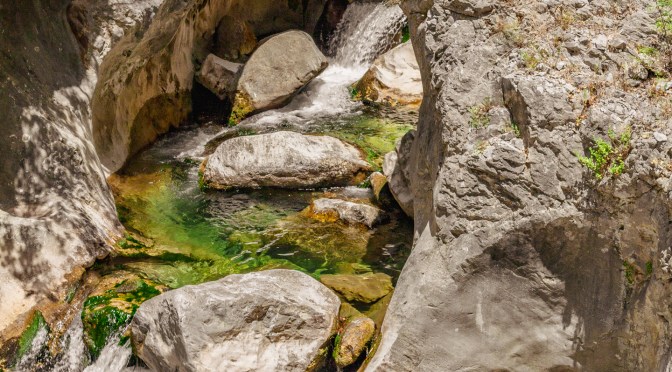
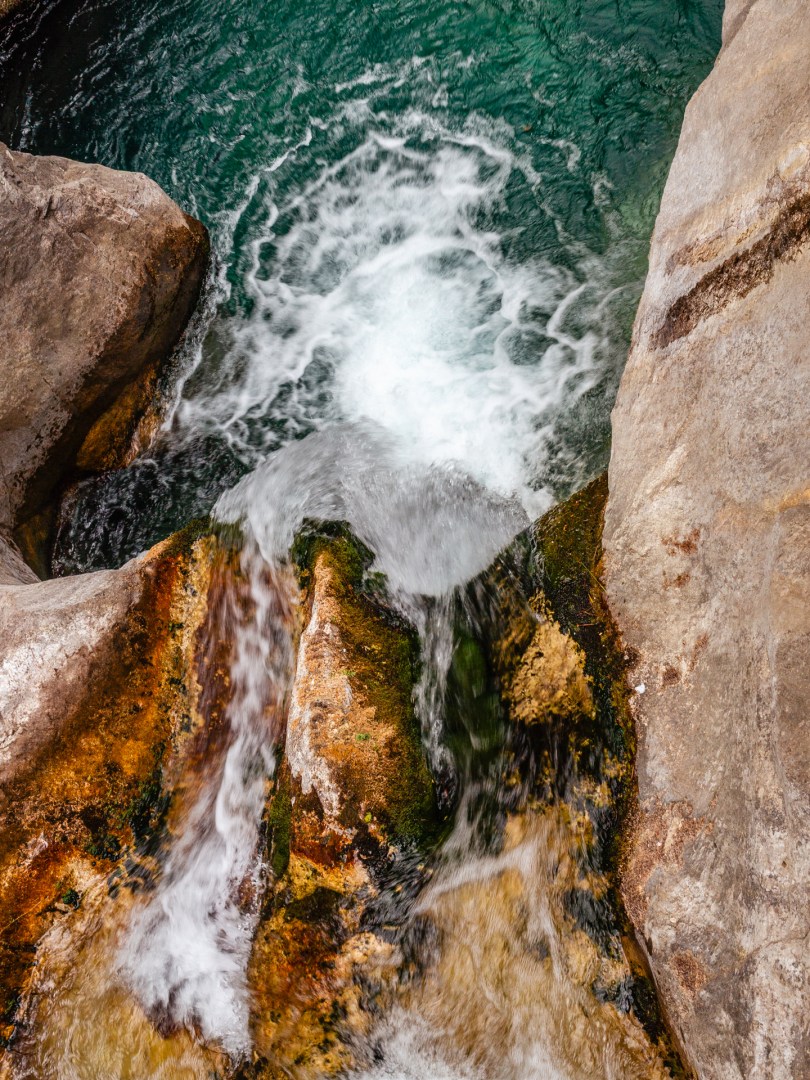
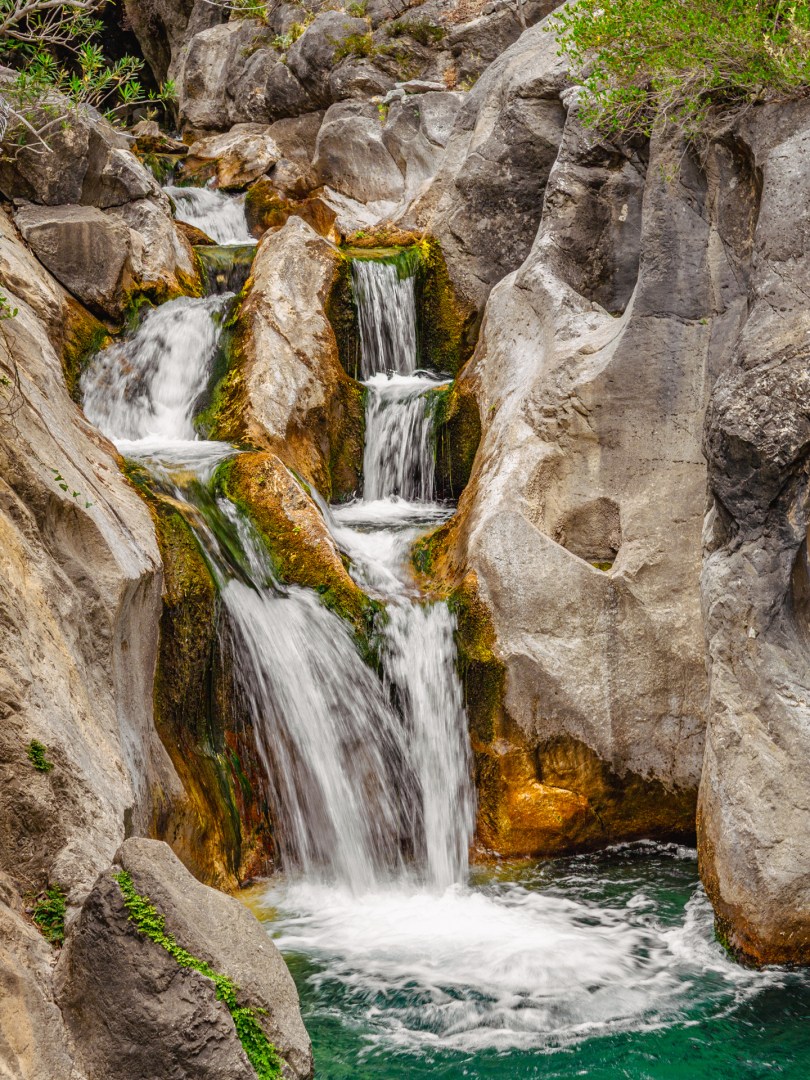
Tucked away in the shadowy folds of the Taurus Mountains, Sapadere Canyon is a hidden gem of southern Turkey — a narrow gorge carved over millennia by the relentless force of water. Located just a short, scenic drive from the seaside city of Alanya, it offers a dramatic escape into nature with its steep cliffs, cool shade, and a string of waterfalls and emerald-green pools.
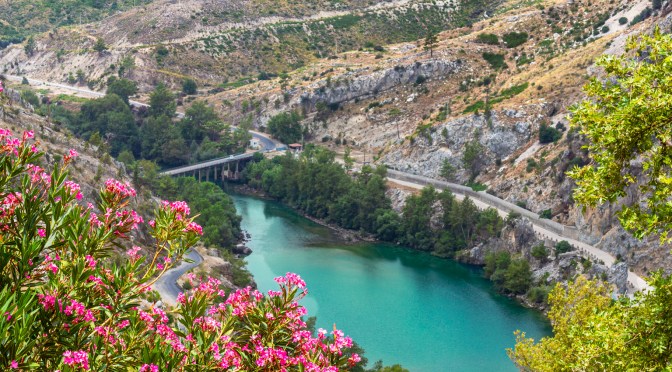
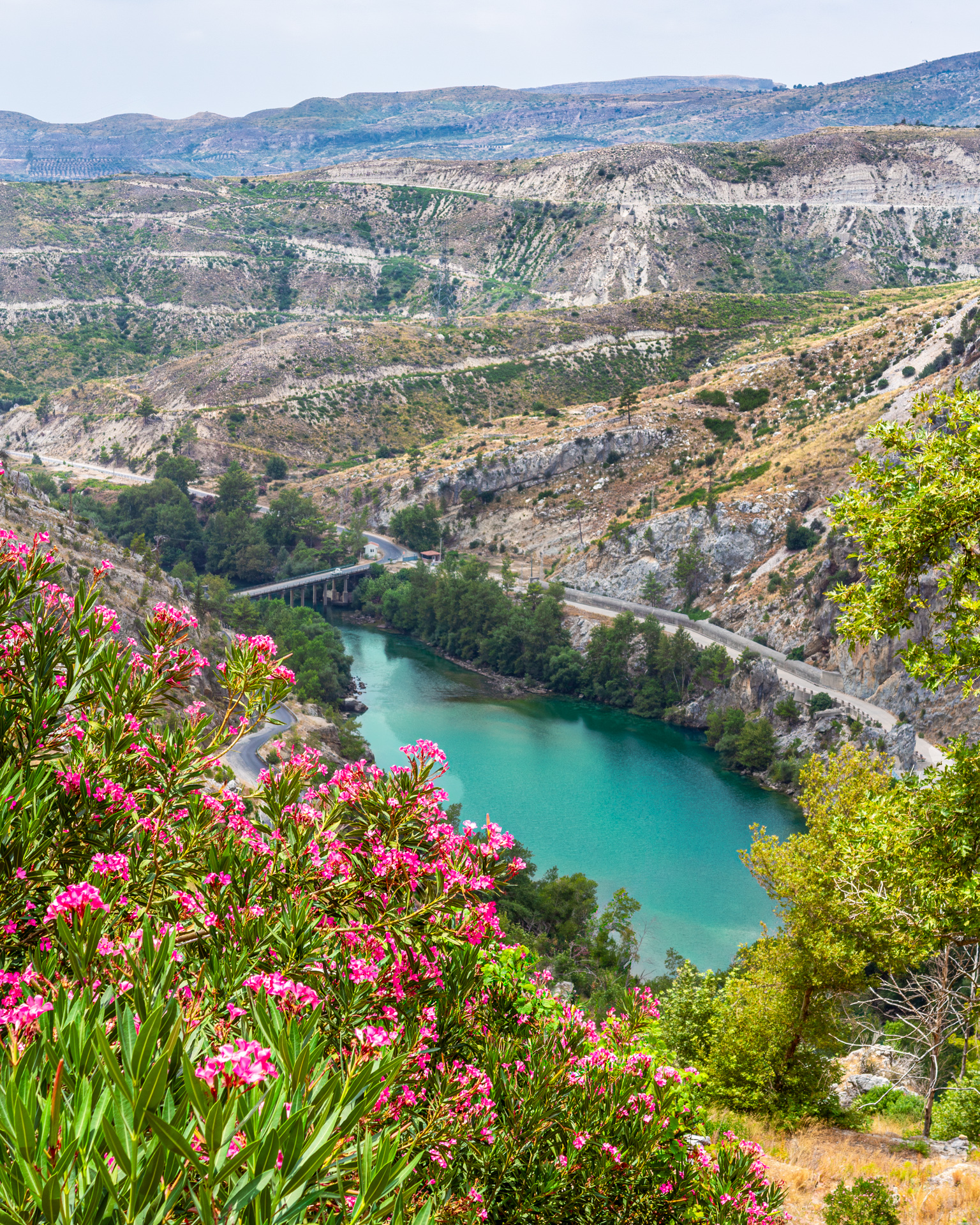
A turquoise ribbon cuts through parched hills as oleanders bloom by the roadside — a spontaneous moment of stillness and color
Some landscapes don’t shout — they hum. This one, nestled in the sunbaked folds of southern Europe, revealed itself not with grandeur but with quiet harmony: parched hills layering into the distance, a serpentine road, a turquoise river gliding below, and a burst of pink oleanders in the foreground.
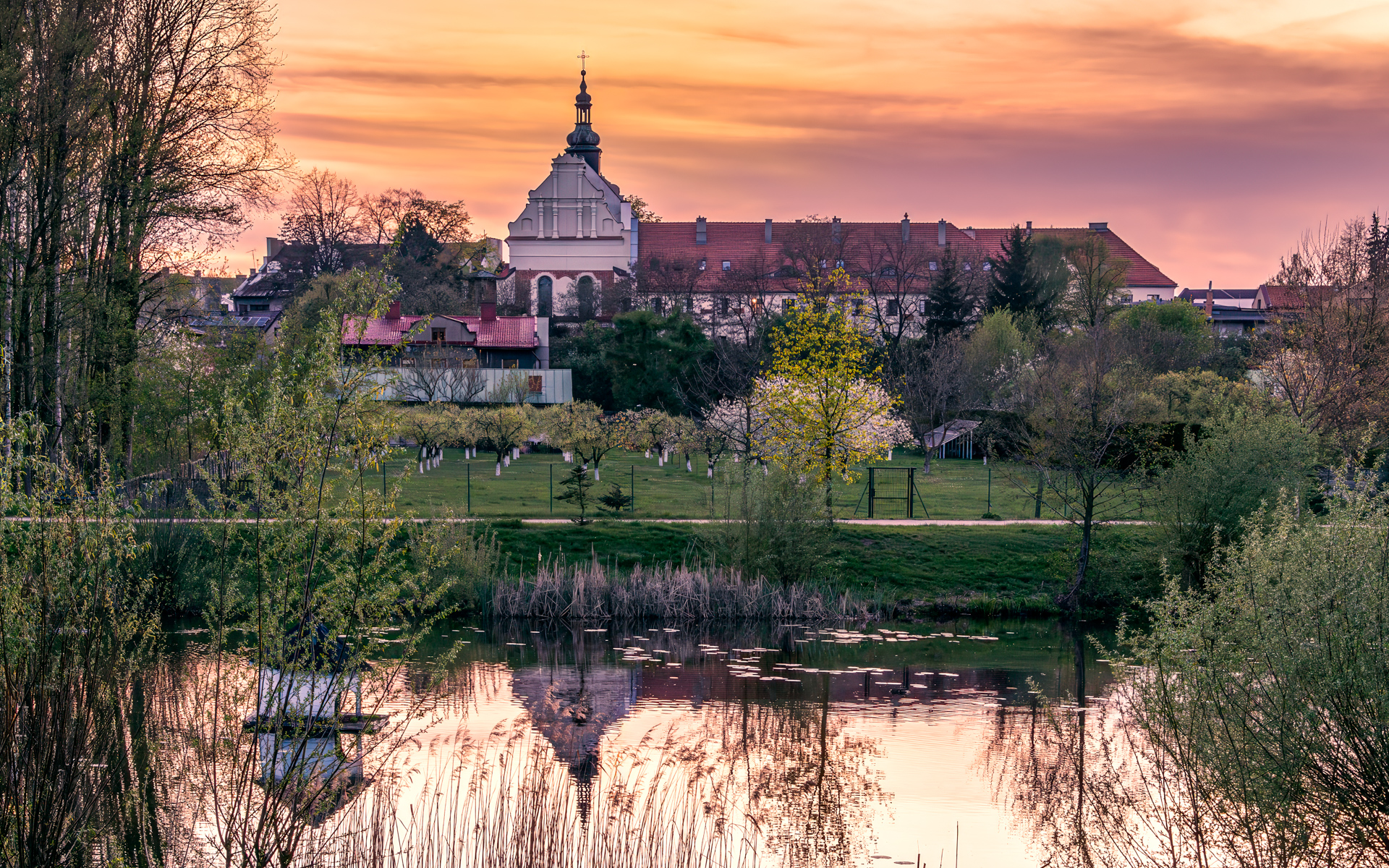
A calm spring evening in Sieradz — the 13th-century cloister reflected in still water, bathed in the warm colors of sunset
Some scenes are made to be photographed — not because they’re dramatic or exotic, but because they feel quietly complete. On a calm spring evening, I stood at the edge of a pond in Sieradz and watched the sky soften behind the old buildings. The reflection of the tower drifted gently on the water, framed by reeds and budding trees, and for a moment, everything slowed down.
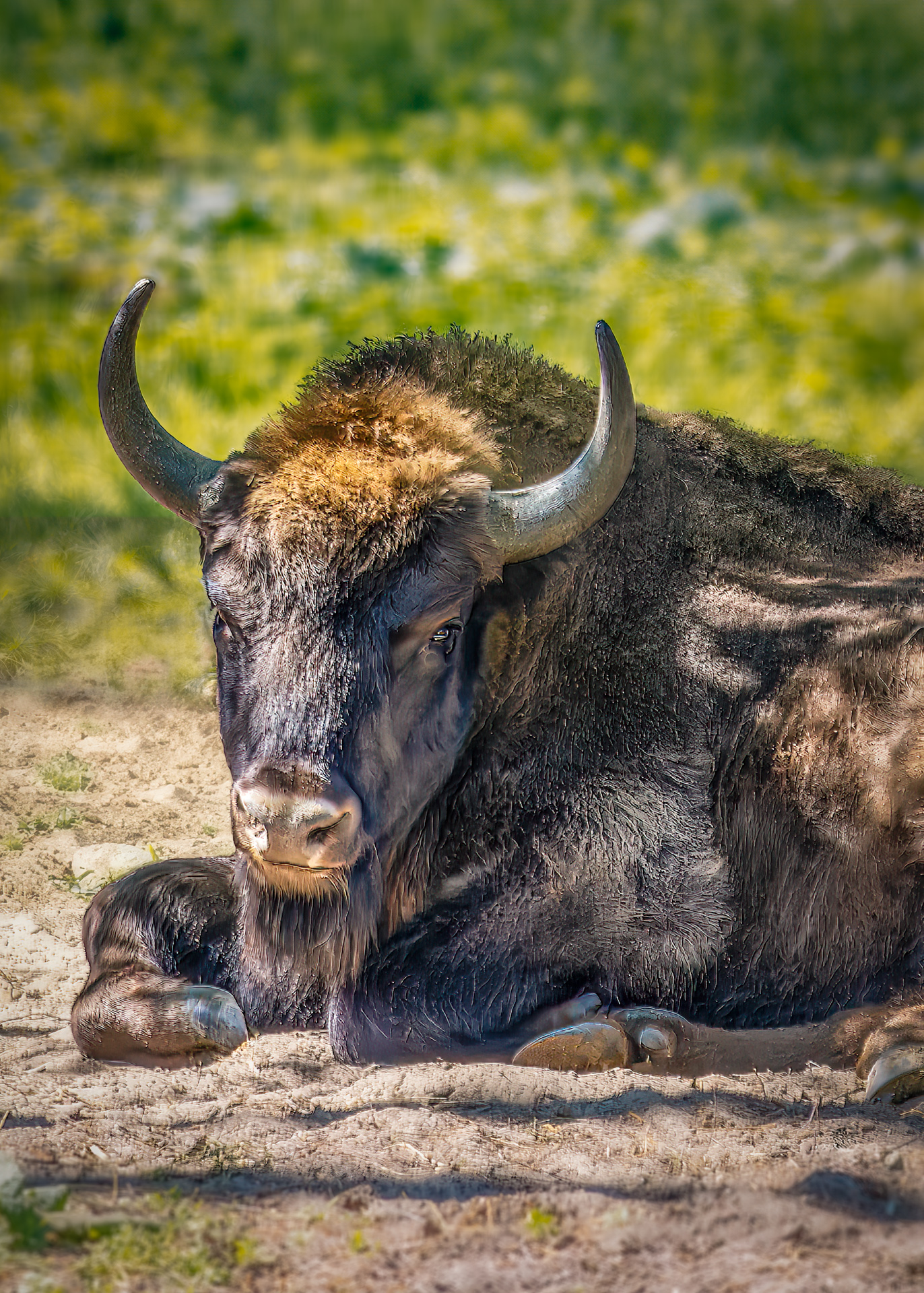
A peaceful moment with Poland’s iconic European bison — captured in Gołuchów, a key site in the species’ conservation story
The European bison — or żubr, as it’s called in Polish — is the largest land mammal in Europe and one of the continent’s greatest wildlife conservation success stories. Once driven to near extinction by habitat loss and hunting, the species has made a remarkable comeback thanks to decades of dedicated reintroduction programs and habitat protection.
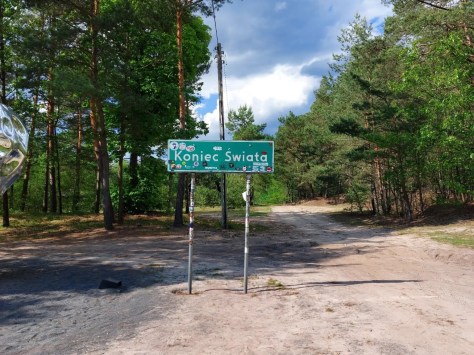
The road ends here — literally. Koniec Swiata is one of Poland’s most unexpected cycling destinations
Deep in central Poland, a sandy road winds through the woods, only to end abruptly at a sign that reads Koniec Swiata — The End of the World. There’s no dramatic cliff edge or fiery abyss, just trees, silence, and the quiet satisfaction of having found a place that’s exactly what it claims to be.
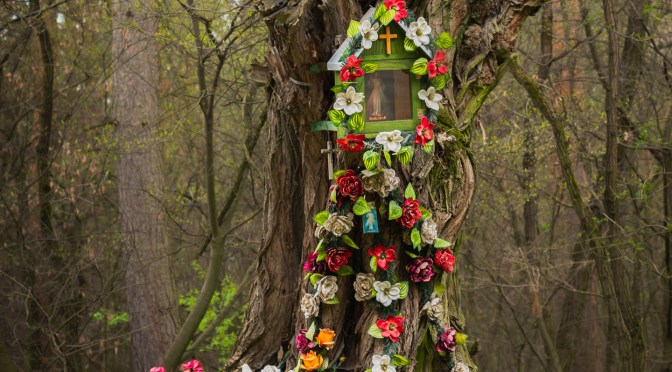
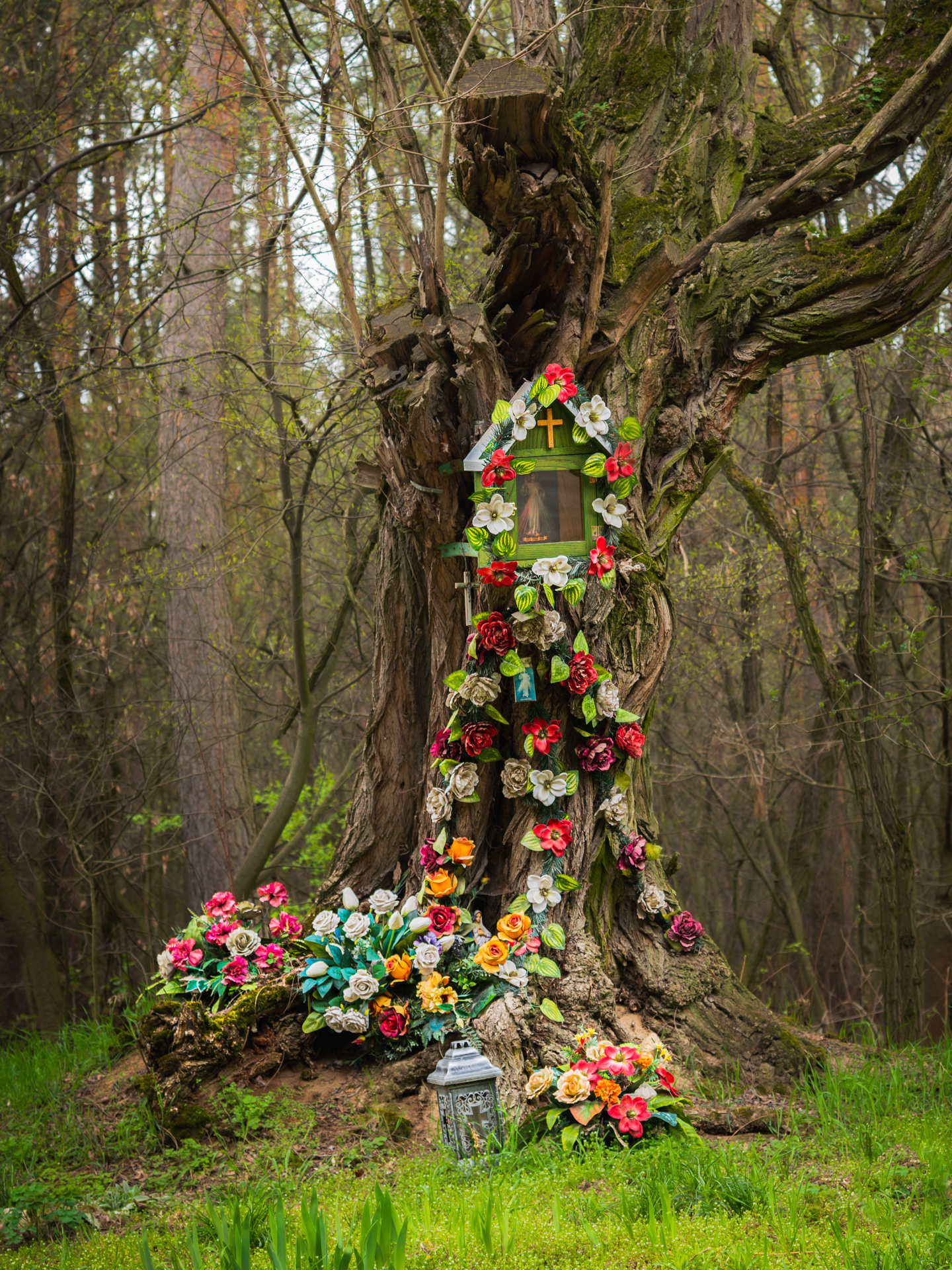
One of Poland’s countless roadside shrines — hidden in the woods, wrapped in flowers, and rooted in centuries-old tradition
Scattered across the Polish countryside — at crossroads, deep in forests, or standing quietly beside rural paths — you’ll find them: roadside shrines, known in Polish as kapliczki. These small sanctuaries take many shapes, from wooden boxes nailed to ancient trees to hand-built brick chapels and flower-draped niches carved into stone. What they share is more than appearance — they embody centuries of faith, memory, and connection to the land.
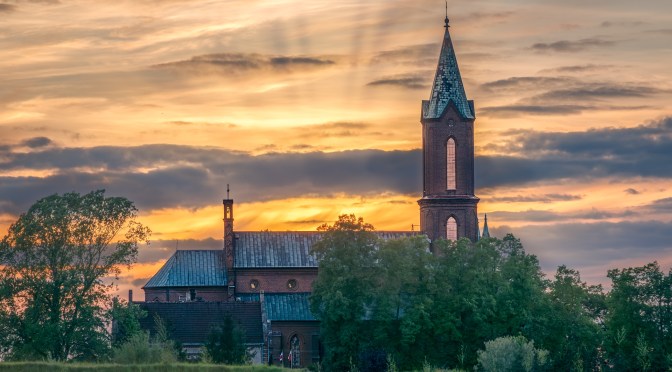
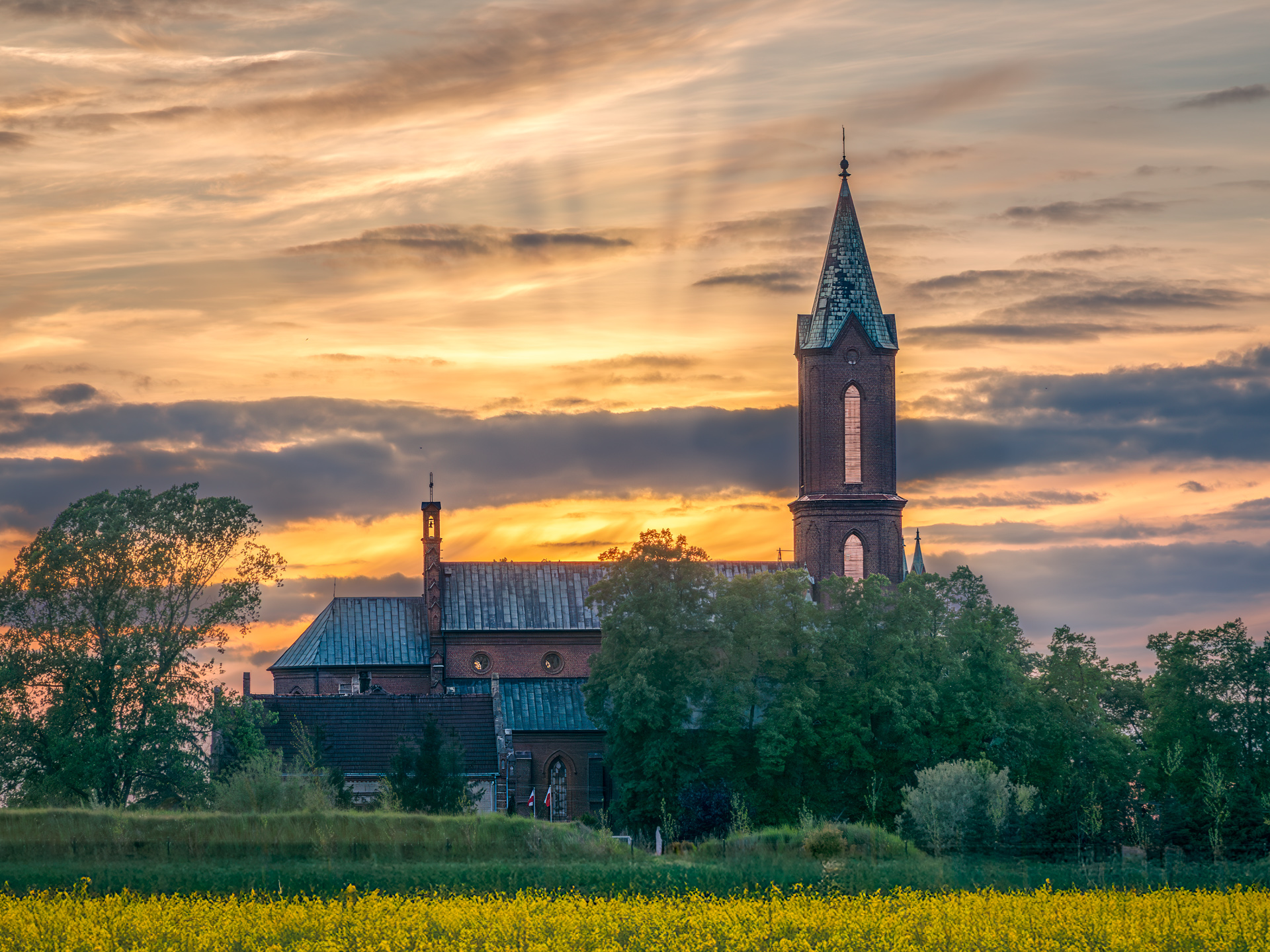
Golden hour over the fields of Wojkow — where a historic church meets the colors of spring
A peaceful spring evening in central Poland. A sea of blooming rapeseed glowing in the last light of day. And above it all, the neo-Gothic tower of the Church of the Immaculate Conception of the Blessed Virgin Mary in Wojkow, silhouetted against a fiery sky filled with clouds and crepuscular rays.
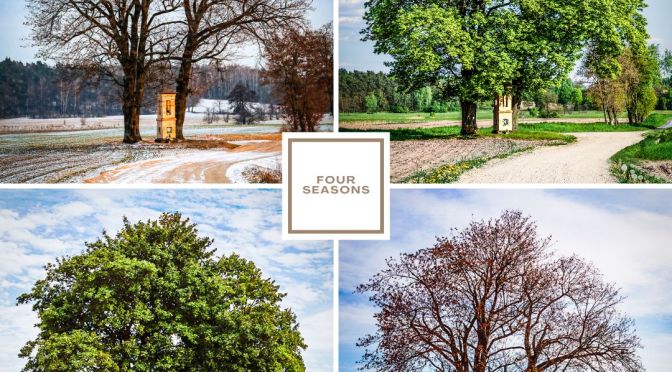
One tree, four seasons — this photo collage captures the changing face of nature around a roadside chapel in the Polish countryside
Nature never stands still. It turns slowly, in cycles of bloom and decay, each season painting the world with a new palette. This photography project is a tribute to that transformation — captured through a single, unchanging subject: a tall tree and a humble roadside chapel in the Polish countryside.
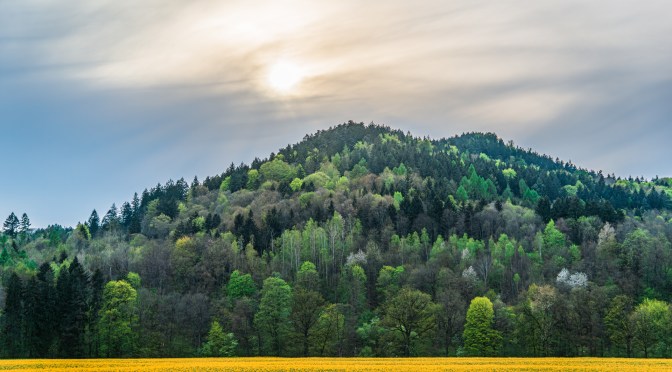
Spring unfolds in layers — a glowing rapeseed field beneath the forested hills of Lower Silesia, with fresh foliage and soft afternoon light completing the scene
Some landscapes invite wandering — others feel like a breath held between seasons. This view from Lower Silesia captures that quiet pause: the tender greens of early spring climbing a forested hill, golden rapeseed in full bloom below, and soft sunlight breaking through high, streaked clouds. It’s one of those moments where you stop, take it in — and instinctively reach for your camera.







 Shutter and Saddle