

As one year fades into another, I want to wish you a New Year filled with movement, curiosity, and moments worth remembering.
Continue reading A New Year, Full of LightAs one year fades into another, I want to wish you a New Year filled with movement, curiosity, and moments worth remembering.
Continue reading A New Year, Full of Light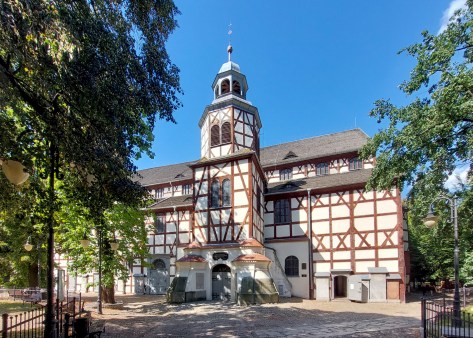
Cycling through Lower Silesia is like pedaling through the pages of a living history book. Around every bend, you’ll find a medieval castle, a cobblestone old town, or a sweeping mountain vista.
Yet few sights compare to the Church of Peace in Jawor. From the outside, it resembles a large, modest half-timbered barn. But step inside — and you’re greeted with a Baroque explosion of color, carvings, and paintings. The contrast is so striking it leaves even seasoned travelers speechless.
Continue reading Church of Peace in Jawor — A UNESCO Treasure on the Cycling Map of Lower Silesia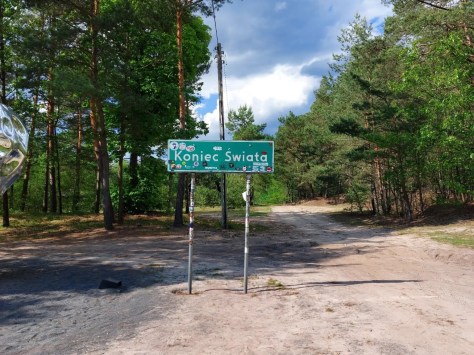
Deep in central Poland, a sandy road winds through the woods, only to end abruptly at a sign that reads Koniec Swiata — The End of the World. There’s no dramatic cliff edge or fiery abyss, just trees, silence, and the quiet satisfaction of having found a place that’s exactly what it claims to be.
Continue reading 🚴 Cycling to Koniec Świata — Poland’s Quirkiest Dead-End in the Forest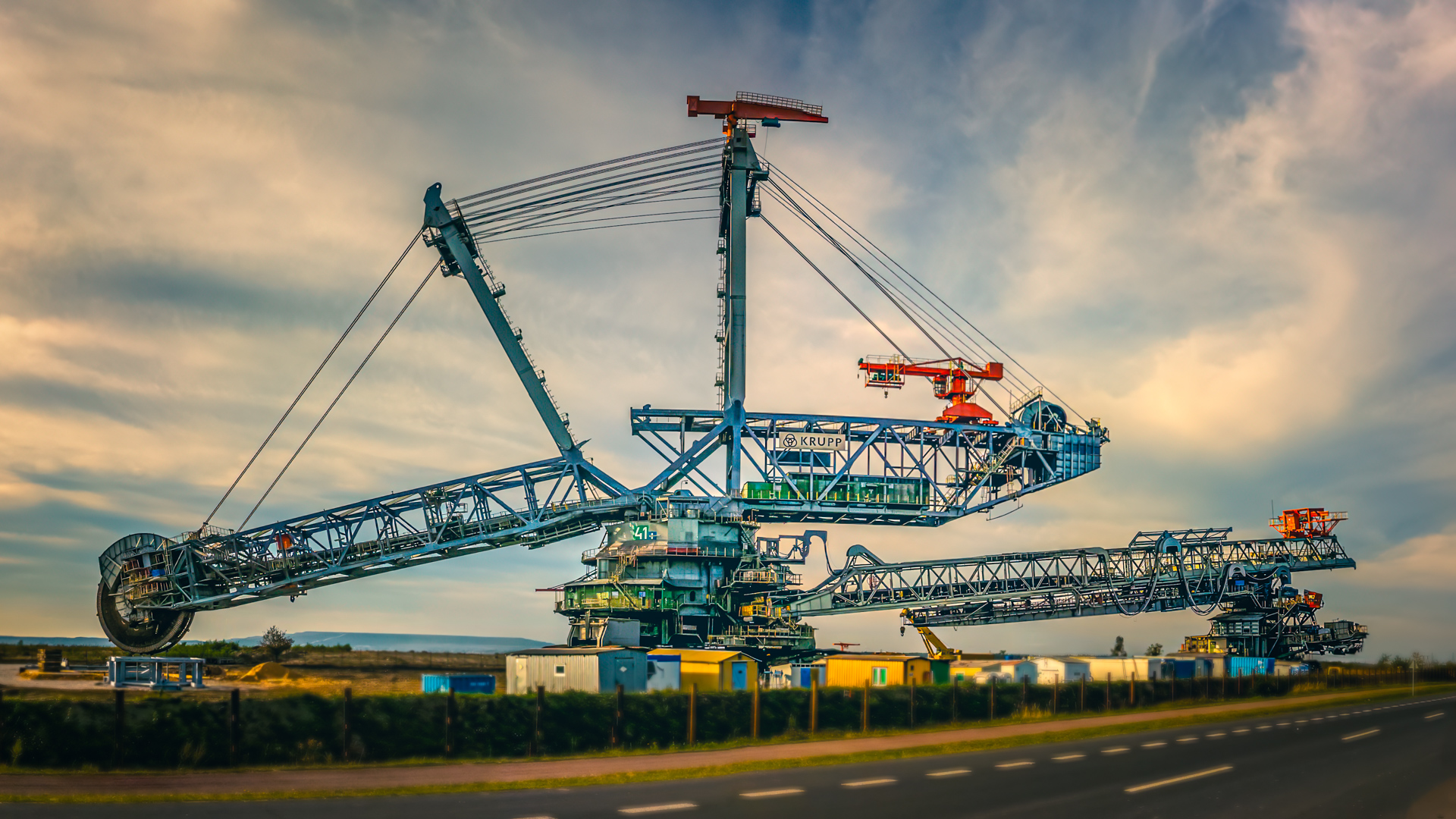
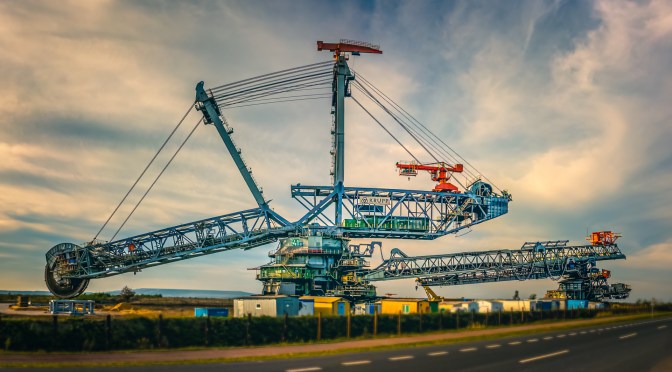
Autumn usually means trading my road bike for something sturdier — comfort over speed as winter looms. But last year, an irresistible detour: news that the K-41 bucket-wheel excavator, one of Europe’s largest machines, had surfaced from the depths of the Belchatow mine for maintenance. A fleeting sight, maybe once a decade. So I mapped a 135 km route, laced up my cycling shoes, and set off to meet this industrial legend.
Continue reading 🚴♂️ Chasing Giants: A 135 km Autumn Ride to Europe’s Mightiest Excavator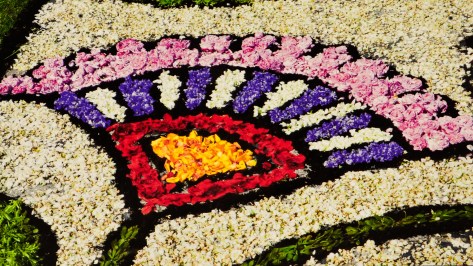
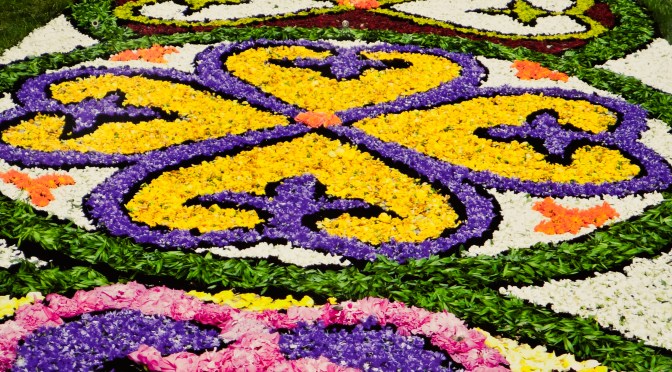
Every June, the village of Spycimierz in central Poland blooms with intricate flower carpets for a UNESCO-recognized festival. It offers a perfect cycling adventure through culture, color, and countryside. Locals come together to create nearly two kilometers of floral art to celebrate the Feast of Corpus Christi, continuing a 200-year-old tradition honored as UNESCO Intangible Cultural Heritage. The result is a breathtaking mosaic of religious imagery and vibrant geometric patterns that transforms the entire village into a living work of art.
Continue reading 🚴 Bike to Poland’s UNESCO Flower Carpet Festival in Spycimierz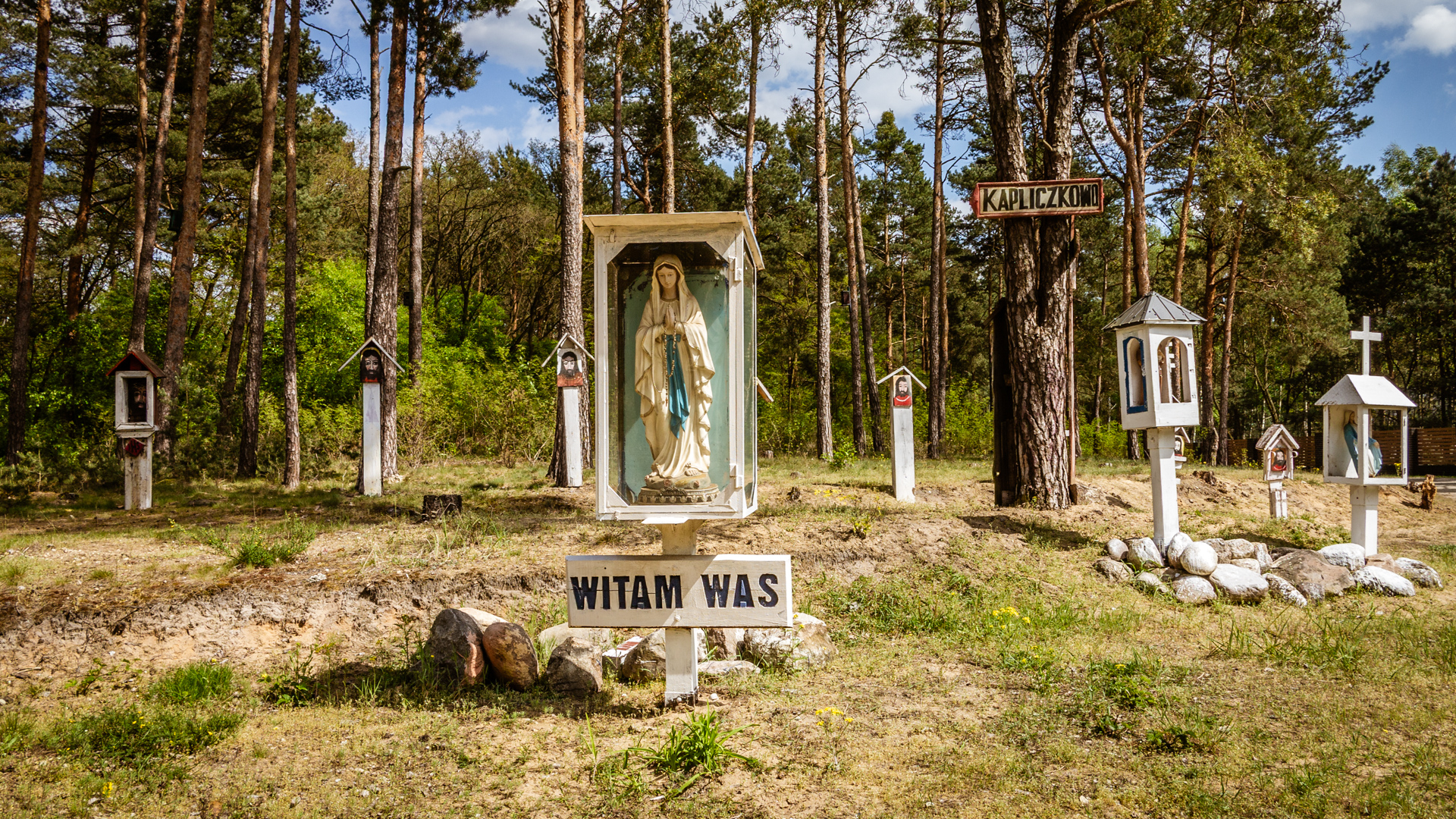
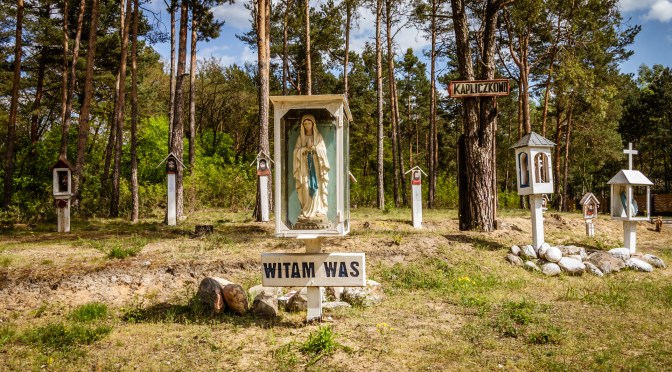
This open-air sanctuary of wooden shrines and sculptures lies nestled in a quiet forest near Szczercow. It is the life’s work of Bernard Zboinski, a retired colonel. He is also a passionate folk artist. Kapliczkowo has 365 handmade chapels. There is one for each day of the year. The site also features countless wooden sculptures. Kapliczkowo is an artistic and spiritual experience like no other.
Continue reading Discovering Kapliczkowo: A Hidden Gem for Cyclists & Art Lovers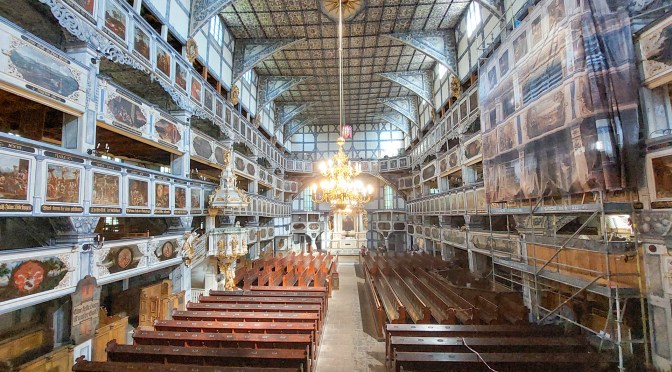

 Shutter and Saddle